| OCR Text |
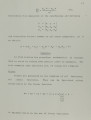
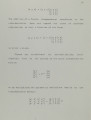
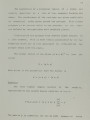
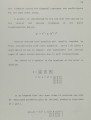
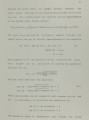
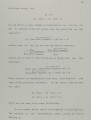
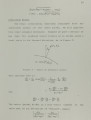
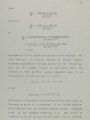
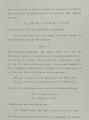
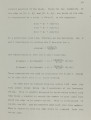
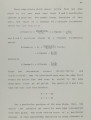
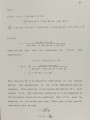
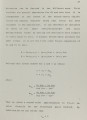
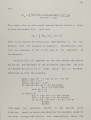
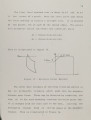
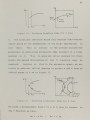
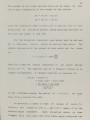
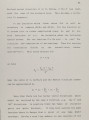
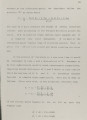
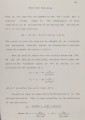
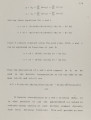
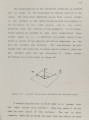
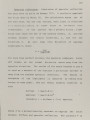
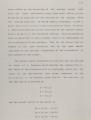
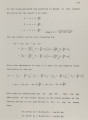
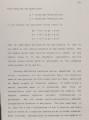
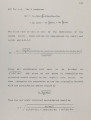
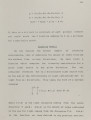
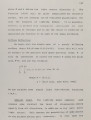
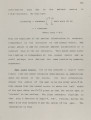
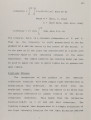
Show 64 else d u=f ' (u) if u+du<O then if u=O return else du=-u if u+du>l then if u=l return else du=l-u if I du 1< f return while f(u+du)<f(u) du=du/2 if l du l c e return u=u+du Bivariate Optimization We are actually going to need to find the local maxima of the function Y(u,v), the bivariate function yielding the Y coordinate of the patch. The placement of maxima will be subject to the constraint that O<=u,v<=l. The bivariate analogue of the univariate optimization discussed above is a two step process. The following algorithm is similar to that sketched out in Dahlquist and Bjorck [6]. First a search direction (du,dv) is chosen. Second, the distance , to move in that direction is determined. Along a given search direction the problem essentially reduces to the univariate case. The distance can be chosen by setting the derivative of a second order taylor expansion to zero. Thus Y(u,v) Yo+ (u-uo)Yu + (v-vo)Yv + i(U-UO)2yUU + (u-uo) (v-vo)Yuv + (V_VO)2yVV expressing the new location as u = Uo + A du v Vo + A dv |