| OCR Text |
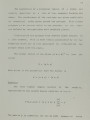
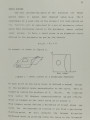
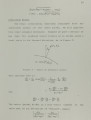
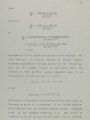
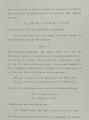
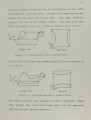
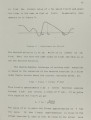
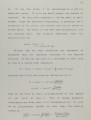
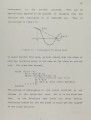
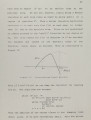
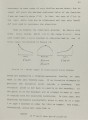
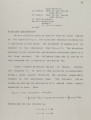
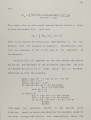
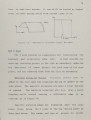
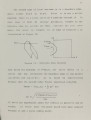
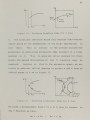
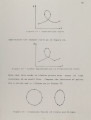
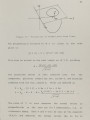
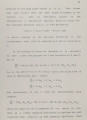
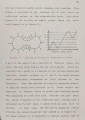
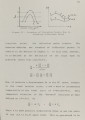
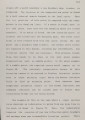
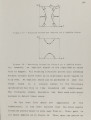
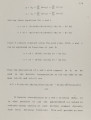
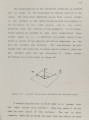
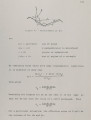
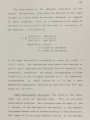
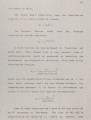
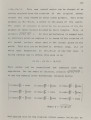
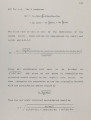
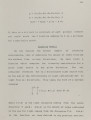
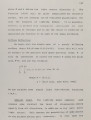
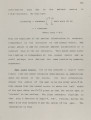
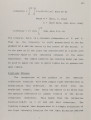
Show 63 necessary in some cases of very shallow maxima where, due to round off error the maximum evaluated value of the function f was not exactly where f'=O. In fact, the test of f' (u) in the main while loop may be eliminated and just this "small du" test used to terminate the algorithm. Next we examine the constraint problem. We desire only those local maxima which lie in the range O<=u<=l. With such conditions a local maximum is characterized by one of three cases illustrated in figure 14. \f,,i/; ,. I I " I I I I '! ' u.",o o c u c i j'(U) : 0 F(u)i.O U:: I (cu) >0 Figure 14 - Three Types of Constrained Local Maxima These are handled by a lipping mechanism similar to that used in the zero finding case. If an iteration attempts to position the iteration point outside a boundary, the iteration point is set back to exactly on the boundary. If the point is on the boundary and an attempt is made to move it outside then the algorithm terminates. In this case, the algorithm terminates successfully since it must be at a type 1 or type 3 maximum in order for this to happen. The final, constrained, univariate algorithm is repeat if f"(u)<O then du=-f' (u)/f"(u) |