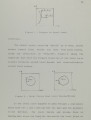
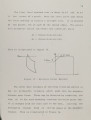
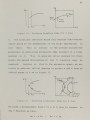
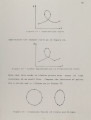
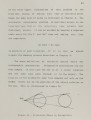
| OCR Text |
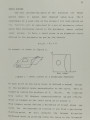
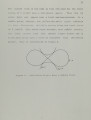
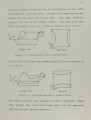
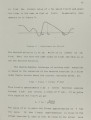
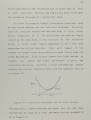
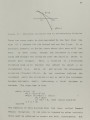
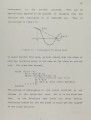
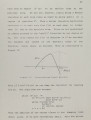
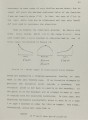
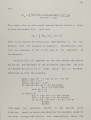
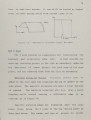
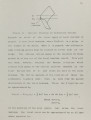
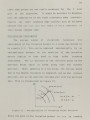
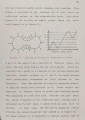
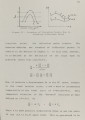
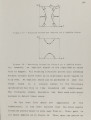
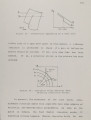
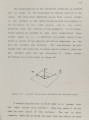
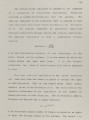
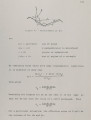
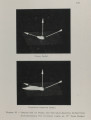
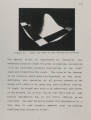
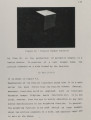
Show 54 often mentioned in the literature but is quite easy to test at each iteration. We must now figure out whet to do when the iteration diverges at a particular step. fe U.,)_ - - In order to properly handle a d i v e r q'i nq iteration step we must first examine why the iteration diverges. Recalling that .t b e iteration formula was derived from a first order Taylor expansion of f, th€ difficulty can then be simply stated as the fact that, in the vicinity of the iteration point, a first order Taylor expansion is not a very good approximation to the function. This will happen if the second or higher order derivatives are much larger than the first derivative. This is most common near local maxima or minima, i. e. where the first derivative is zero. Two situations may occur. Firstly, a local extremum may appear between the current iteration point and the downhill zero as in figure 10. Figure 10 - Iteration Increases Due to Local Minimum Alternatively, a good solution may exist but we may have started out so close to a local extremum that we overshot it as in figure 11. |