| OCR Text |
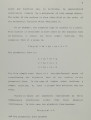
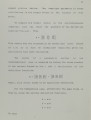
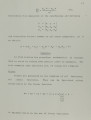
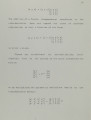
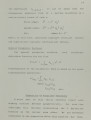
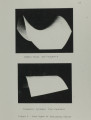
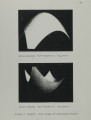
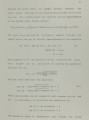
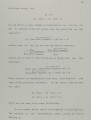
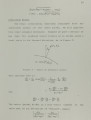
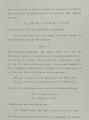
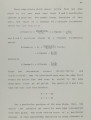
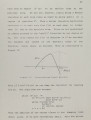
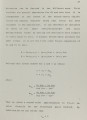
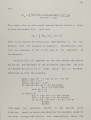
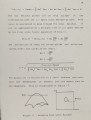
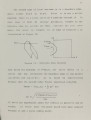
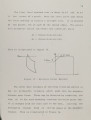
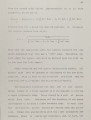
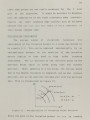
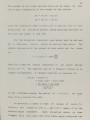
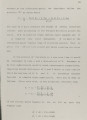
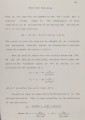
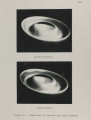
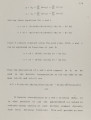
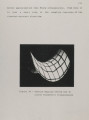
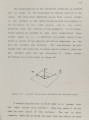
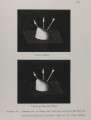
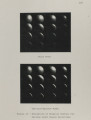
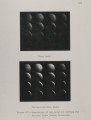
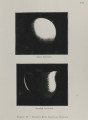
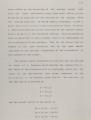
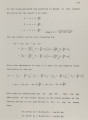
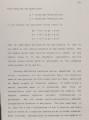
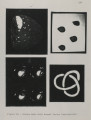
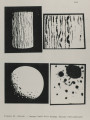
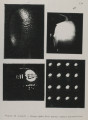
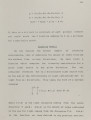
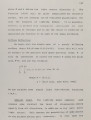
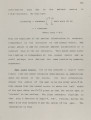
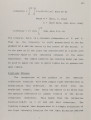
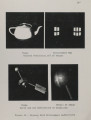
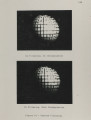
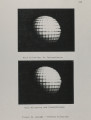
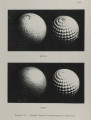
Show 131 function. If c is going to change from place to place on the surface the normallization by (l/c) must be modified. We wish to use a constant normallizing factor based on the minimum value of c over the surface. The texture modulated. distribution function should then be: c 3 = c. + (l-c . ) T (u , v) nu.n nu,n Figure 48 shows images made with specular textures. There is one interesting effect generated by this operation. At regions near the highlight direction, the shiny portions of the texture of course are brighter. At regions farther from the highlight direction, however, the shiny portions are actually dimmer that the diffuse portions. This effect can actually be observed on real objects with variable shininess; textured paint has this property. It can be explained by the fact that, far from the highlight direction, the shiny parts are reflecting most of their light away from the eye. Normal vector Eerturbations. To best generate images of macroscopic surface wrinkles and irregularities we must actually model them as such. Modelling each surface wrinkle explicitly would, of course, be prohibitively expensive. We are saved from this fate by the realization that the effect of wrinkles on the percieved intensity is primarily due to |