| OCR Text |
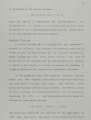
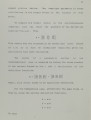
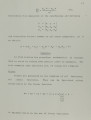
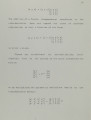
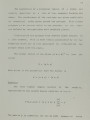
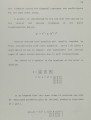
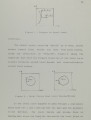
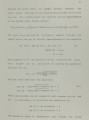
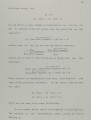
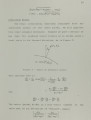
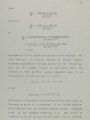
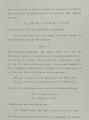
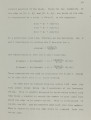
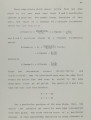
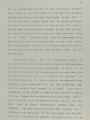
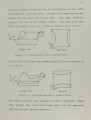
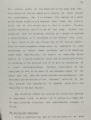
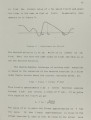
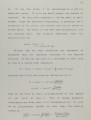
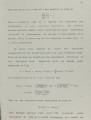
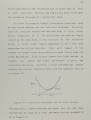
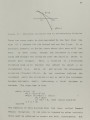
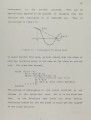
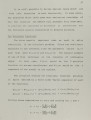
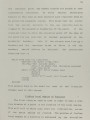
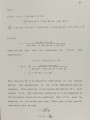
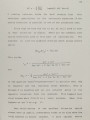
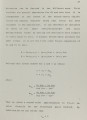
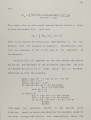
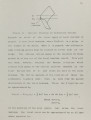
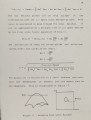
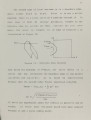
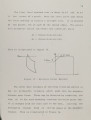
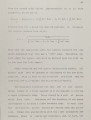
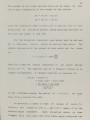
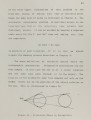
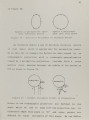
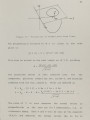
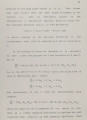
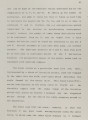
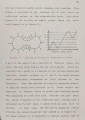
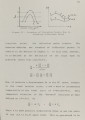
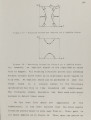
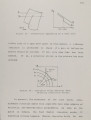
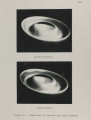
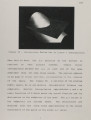
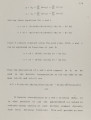
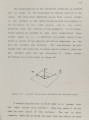
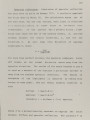
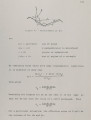
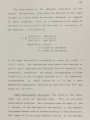
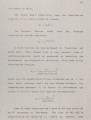
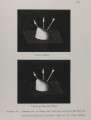
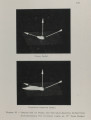
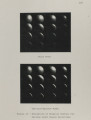
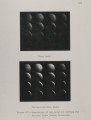
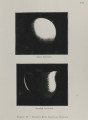
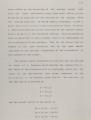
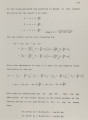
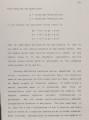
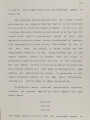
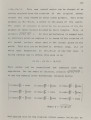
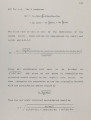
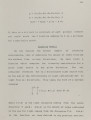
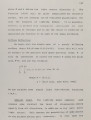
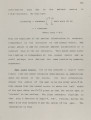
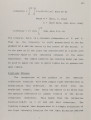
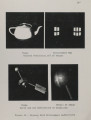
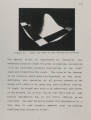
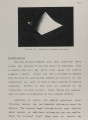
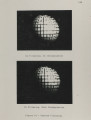
Show 116 Specular reflection. Simulation of specular reflection has been done as early as Romney [15]. A realistic approach was first done by Phong [3]. The calculation makes use of the fact that, for any real surface, more light is ieflected in a direction making an equal angle of incidence with reflectance. If the surface was a perfect mirror, light would only reach the eye if the· surface normal, N, pointed halfway between the source direction, L, and the eye away from the maximum specular direction. The degree of direction, E. We will name this direction of maximum highlights H, where H L+E len (L+E) For less than perfect mirrors, the specular component falls off slowly as the normal direction moves away from the specular direction. The cosine of the angle between Hand N is used as a measure of the distance a particular surface is sharpness of the highlights is adjusted by taking this cosine to some power. The net Phong shading function is then diffuse specular max(O,N·L) max(O,N·H)n intensity a diffuse + (I-a) specular where is a proportionality constant to express the ratio between diffuse and specular reflection. The constant is |