| OCR Text |
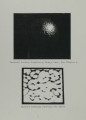
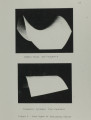
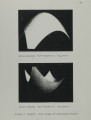
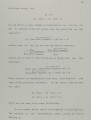
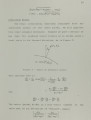
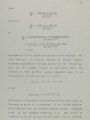
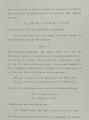
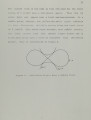
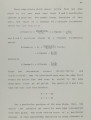
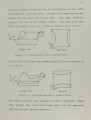
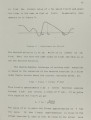
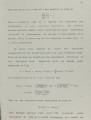
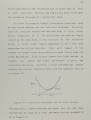
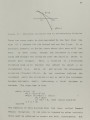
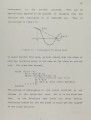
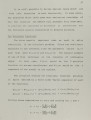
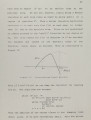
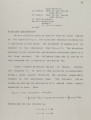
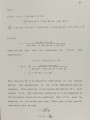
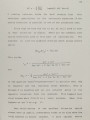
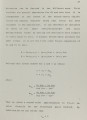
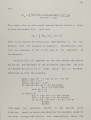
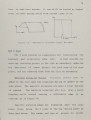
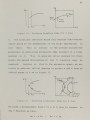
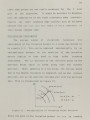
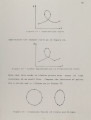
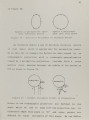
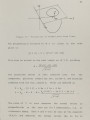
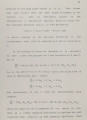
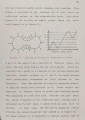
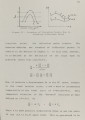
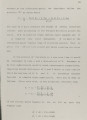
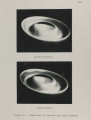
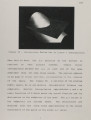
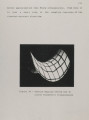
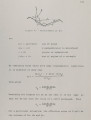
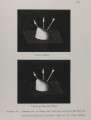
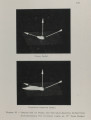
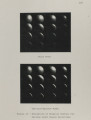
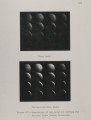
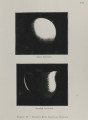
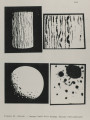
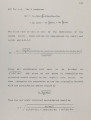
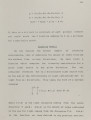
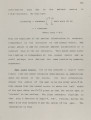
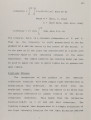
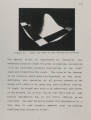
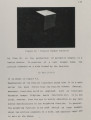
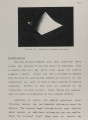
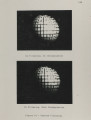
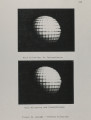
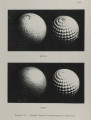
Show 73 It is possible for the algorithm in Chapter 4 to terminae at a saddle point, or a local saddle point. This latter is a point which terminates as an edge maximum where Fu 4= 0 or Fv =1= 0 but where the gradient points inside the patch boundaries. These points must also be weeded out from the local maximum list. The really tricky situation occurs, however, with local maxima which are parabolic cylinders. Recall from Chapter 2 that stationary points of Y(u,v) are characterized by the sign of Yuv-YuuYvv. The sign is positive at a saddle point (which should be eliminated) and negative at a local maximum (which should not). It is zero at a parabolic cylinder where the local maximum is not restricted to a point but lies on a line in u,v space (at least locally). Due to round off error, the value of Yuv-YuuYvv will never be exactly zero and might come out slightly positive, causing the point to be erroneously discarded. In addition, since there is a whole line of local maxima due to the parabolic cylinder, the determination of duplicate maxima cannot be based simply on closeness in u,v values. This situation is illustrated in figure 15. This problem can be reduced by making the duplication test as follows. Two local maxima are considered to be duplicates if they have the same Y value (within some E) and if the point halfway between them in u,v has the same Y value (within that same s). Currently the E Used is 1/10 raster point. This technique means that a parabolic cylinder maximum running across the patch will |