| OCR Text |
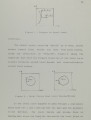
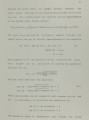
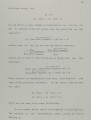
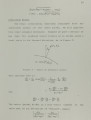
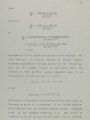
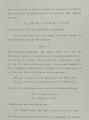
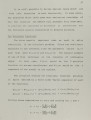
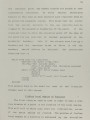
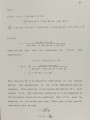
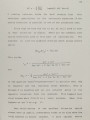
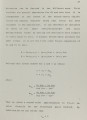
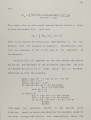
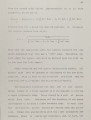
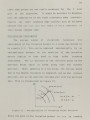
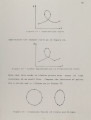
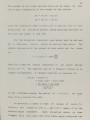
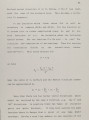
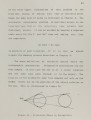
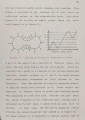
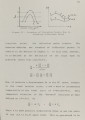
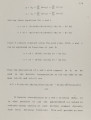
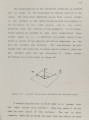
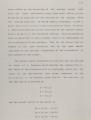
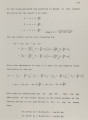
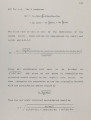
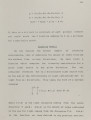
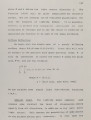
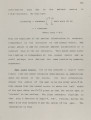
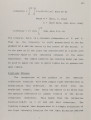
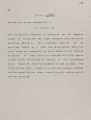
Show 143 where a and define the light source direction L. The function I(e,) will be quite complicated for realistic scenes. The net integral can be evaluated analytically for only the simplest of lighting models. It is possible, however, to perform this integration numerically for some situations of interest and to use the result to construct an approximating function to be used in the image synthesis. Diffuse Reflection ------ We begin with the simple case of a purely diffusing surface where R(e,¢)=max(O,N.L(e,». Since this will only be nonzero in the positive half space pointing along N it will be convenient to orient the vector N along the polar aXis,4>=O, and use the integral: 1T/2 21T I I 1(8,q,) N·L(8,q,) s i n e d8 dq, ° ° where N (0,0,1), L (sine sinq" cose sinq" cos) We now consider some simple light distribution functions I(e,cp). Ambient light. One lighting model commonly used assumes some constant low level of illumination coming equally from all directions, in addition to the main point light source. This removes the possibility of some points on the surface having zero intensity. In this case the |