| OCR Text |
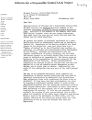
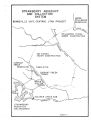
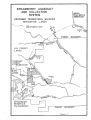
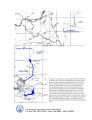
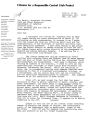
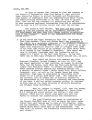
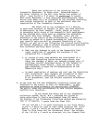
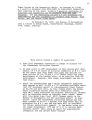
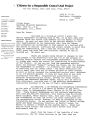
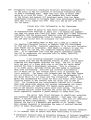
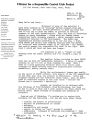
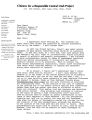
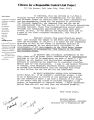
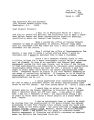
Show Department of Interior have? Under what conditions does it use this? (Bonneville Unit EIS, 1973, Final Draft) 2. Under conditions of these changes, as well as a plan to decide on allocation of water after the Strawberry Collection System is constructed, how does the public address project costs? „ We would like to state what we consider to be changes, and maj or changes. Change of planning: The Bonneville Unit For purposes of justifying economic feasibility, acceptable cost/benefit ratio, and construction of a project of such magnitude, the Bonneville Unit was presented in the EIS in the form of interconnected Systems. The transbasin diversion of water from Rock Creek of 136,000 a f of water and the accumulation of water from other streams for use in west/southwest Utah was called the Strawberry Collection System. Use of part of this water was for the Diamond Fork Power System. However, 118,000 a f of the 136,000 a f was for irrigation purposes, with the remaining waters committed for M & I and the Power purposes. The Jordanelle dam and reservoir on the Provo River was an M & I System for the Salt Lake County area. An integral key part of this development was to be the water salvaged from evaporation by diking Utah Lake marshes which would be used for irrigation around Utah Lake in place of transporting Provo River water. This evapotranspiration process was not labelled a separate System in the EIS and it was presented as the connection between the Strawberry Collection and Jordanelly M & I Systems. Sometime after the EIS, perhaps from the Sierra Club versus Stamm suit, diking Utah Lake was called the Utah Lake Irrigation System with the purpose remaining the same. Authorization of the Bonneville Unit project would have been based on costs calculated on the basis of this earlier planning. Late last summer, we learned that the Draft EIS for the Jordanelle M & I System would be released without including the Utah Lake diking. When we met with Bureau staff to question this procedure we were informed that it was based on developing the Systems set forth in the Sierra Club suit.(This Draft, scheduled for release by now, has not been released). However, at a meeting with Mr. Plummer on July, 1978, we submitted a letter asking, among other questions, how Utah Lake could be diked and the Bureau still comply with Executive Order #11990 to protect Wetlands. Under conditions of rapid land use conversion to industrial and power development in the west/southwest region of Utah, it appears that no irrigation lands will be |