| OCR Text |
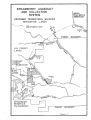
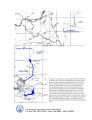
Show 3. There are questions of the necessity for the Jordanelle Reservoir, to begin with. KennicottCopper, the major Industry in the Salt Lake Valley has plenty of water . Some 43,000 a f of water is unutilized in nearby Deer Creek Reservoir. A very beautiful and productive farm valley near Heber will be inundated by the proposed reservoir, even though irrigation is part of the rationale used for construction of the Jordanelle Reservoir. The Draft EIS on the Jordanelle M & I System, to have been released in January of 1979, has been rejected in Washington, we have learned. CRCUP, which is trying to determine valid costs of the Bonneville Unit development, is now dealing with costs used on planning for authorization which have been changed. Moreover, costs are not presented to the public in EIS presentations. In addition, in order to arrive at a figure providing at least a 1:1 cost benefit ratio,as well as economic feasibiity of the Project, as well as to use irrigation for Project justification, the Bureau originally tied in project planning with purposes with different pay-back water prices. a. What are the changes in cost in the Bonneville Unit under conditions of changing the planning of the Jordanelle M & I System? b. If diking of Utah Lake marshes and development of a Utah Lake Irrigation System never comes about, and there are changes of water use through present sale of existing, non-CUP developed water, by the farmers to Intermountain Power Project, does the shift in use now constitute a basis for re-authorization of the Bonneville Unit? c. On what combination of purpose and cost was the Bonneville Unit authorized? What changes are allowable? At what point of Project development, System by System, can it be determined, that the Project requires re-authorization? B. At the time the CUP and Strawberry Collection System was presented to the public in Utah for development, it was presented as being primarily for agricultural purposes. The public today who participated in this Project proposal reaffirm this intention. In the Draft and Final EIS of the Strawberry Collection System, while M & I purposes are stated as being objectives in Utah's development from CUP water, the purpose of the Strawberry Collection System was primarily that of irrigation, i quote from the Final EIS- "Of the 164,000 a f of water developed in the Uinta Basin, 21,400 a f would be used in that basin annually for irrigation, 6,500 a f would be released to maintain fishery flows in Rock Creek and the Strawberry River. The balance of the 136,000 a f would be diverted, via the Diamond Fork |