| Title |
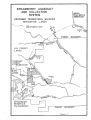
Strawberry Aqueduct and Collection System, Bonneville Unit, Central Utah Project: documents and correspondence, 1979 |
| Description |
From the The Dorothy Harvey papers (1902-2005), a collection of materials focusing on the Central Utah Project (CUP), a water resource development program to use Utah's alloted share of the Colorado River. Includes correspondence, Harvey's writing drafts and notes for an unpublished book on the CUP, federal documents, project litigation materials, subject files, news clippings, newsletters, programs, brochures, and maps |
| Subject |
Central Utah Project; Strawberry Aqueduct; Wildlife conservation--Utah--Uinta Basin; Rivers--Environmental aspects--Utah; Water resources development --Environmental aspects--Utah; Wetlands--Utah; Ute Indians--Claims; Water-supply--Utah--Salt Lake County |
| Creator |
Harvey, Dorothy |
| Contributor |
Citizens for a Responsible Central Utah Project |
| Alternate Title |
Environmental Assessment of the Terrestrial Wildlife Mitigation Plan for the Strawberry Aqueduct and Collection System, Bonneville Unit, Central Utah Project; Strawberry Collection System wildlife mitigation; Utah Lake (Utah) |
| Additional Information |
Includes questionnaire dated Aug. 28, 1978, about Central Utah Project costs; Bureau of Reclamation Environmental Assessment of the Terrestrial Wildlife Mitigation Plan for the Strawberry Aqueduct and Collection System, Bonneville Unit, Central Utah Project, April 1979; Strawberry Collection System wildlife mitigation: Fact Sheet 5, Feb. 1979; Correspondence from D. Harvey to CRCUP members, federal and state officials, and others |
| Spatial Coverage |
Colorado River Basin (Colo.-Mexico); Uinta Basin (Utah and Colo.); Uinta Mountains (Utah); Rock Creek (Duchesne County, Utah); Jordanelle Reservoir (Utah); Salt Lake County (Utah); Duchesne County (Utah) |
| Collection Number and Name |
Accn2232 bx 57 fd 4; Dorothy Harvey papers |
| Rights Management |
Digital Image © 2010 University of Utah. All Rights Reserved. |
| Holding Institution |
J. Willard Marriott Library, University of Utah |
| Date |
1978; 1979 |
| Digitization Specifications |
Original scanned on Epson Expression 10000 XL and saved as 400 ppi TIFF. Display image generated in Contentdm. |
| Publisher |
Digitized by J. Willard Marriott Library, University of Utah |
| Type |
Text |
| ARK |
ark:/87278/s6v69hj4 |
| Setname |
wwdl_neh |
| ID |
1151130 |
| Reference URL |
https://collections.lib.utah.edu/ark:/87278/s6v69hj4 |
| Title |
Page 88 |
| Setname |
wwdl_neh |
| ID |
1151068 |
| OCR Text |
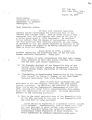
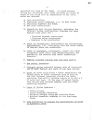
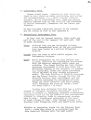
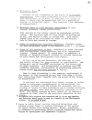
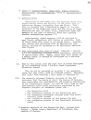
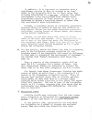
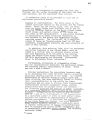
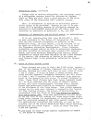
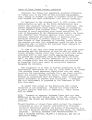
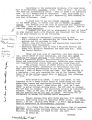
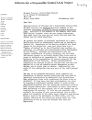
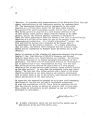
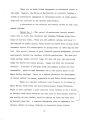
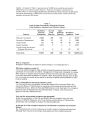
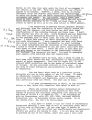
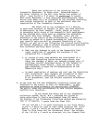
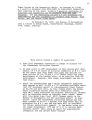
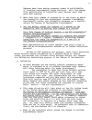
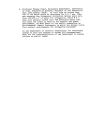
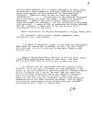
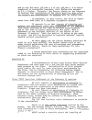
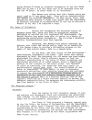
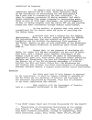
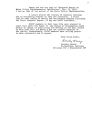
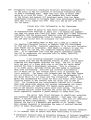
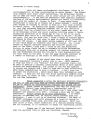
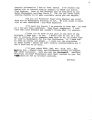
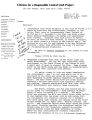
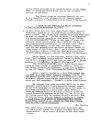
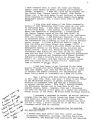
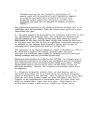
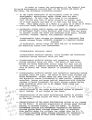
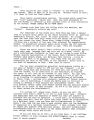
Show >£~. Farmers have been paying property taxes in anticipation of receivng supplemental water services. Will the change from agricultural to industrial uses recover what they have been paying? d. What does this change of purpose do to the facts on which the Bonneville Unit was authorized: economic feasibility, cost/benefit ratio, and irrigation purposes as a justification for Bureau of Reclamation involvement? e. Can the Bureau change the purpose of a System in the Bonneville Unit by stating this change in a letter? Does this change of purpose require a new EIS preparation? Project re-authorization? Do the proposed two major changes in planning and purpose ( Jordanelle M & I System, Strawberry Collection System) constitute the basis for preparation of a new EIS or for Project re-authorization? Must implementation of these changes take place prior to new EIS or re-authorization actions or is intent sufficient grounds? Shifts in CUP planning and purpose, raise other questions These revolve around irrigation as a purpose which is viable today; and whether the Colorado River Storage Project Act changed the validating authorizing purpose of the Bureau of Reclamation. A. Irrigation a. On what grounds can the Bureau justify irrigation water which is supposed to go to needing farmlands when farmers sell their existing water for power development? The assumption is made that those farmers selling their water to IPP for $1,750 per acre foot, will then turn around and request CUP water replacement at some fraction of this cost. The stockholders and the 5 major irrigation companies selling this water in southwestern Utah will receive some $70,000,0000 for this water, their State Senator and others drawing up the contract receiving $5,000,000. Yet these farmlands are supposed to require water service - new and supplemental! b. This same situation will take place on the Ute Indian lands in the Uintah Basin and probably on non-Indian farms. The Bureau of Reclamation presents irrigation - both full service and supplemental - as the justification for Uintah and Upalco Units of the CUP; yet, it is commonly expected that the Utes will resell their water allocated to tribal lands and quantified on a 4.0 acre foot per acre basis for irrigation, to industry at a higher price than they pay. Or, they will develop power and minerals themselves from the use of this water. As northeast Utah is industrialized, the non-Indians will do likewise. c. What is the authority which allows the Bureau to provide supplemental water? |
| Reference URL |
https://collections.lib.utah.edu/ark:/87278/s6v69hj4/1151068 |