| Title |
Strawberry Aqueduct and Collection System, Bonneville Unit, Central Utah Project: documents and correspondence, 1979 |
| Description |
From the The Dorothy Harvey papers (1902-2005), a collection of materials focusing on the Central Utah Project (CUP), a water resource development program to use Utah's alloted share of the Colorado River. Includes correspondence, Harvey's writing drafts and notes for an unpublished book on the CUP, federal documents, project litigation materials, subject files, news clippings, newsletters, programs, brochures, and maps |
| Subject |
Central Utah Project; Strawberry Aqueduct; Wildlife conservation--Utah--Uinta Basin; Rivers--Environmental aspects--Utah; Water resources development --Environmental aspects--Utah; Wetlands--Utah; Ute Indians--Claims; Water-supply--Utah--Salt Lake County |
| Creator |
Harvey, Dorothy |
| Contributor |
Citizens for a Responsible Central Utah Project |
| Alternate Title |
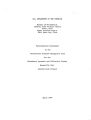
Environmental Assessment of the Terrestrial Wildlife Mitigation Plan for the Strawberry Aqueduct and Collection System, Bonneville Unit, Central Utah Project; Strawberry Collection System wildlife mitigation; Utah Lake (Utah) |
| Additional Information |
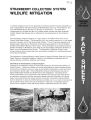
Includes questionnaire dated Aug. 28, 1978, about Central Utah Project costs; Bureau of Reclamation Environmental Assessment of the Terrestrial Wildlife Mitigation Plan for the Strawberry Aqueduct and Collection System, Bonneville Unit, Central Utah Project, April 1979; Strawberry Collection System wildlife mitigation: Fact Sheet 5, Feb. 1979; Correspondence from D. Harvey to CRCUP members, federal and state officials, and others |
| Spatial Coverage |
Colorado River Basin (Colo.-Mexico); Uinta Basin (Utah and Colo.); Uinta Mountains (Utah); Rock Creek (Duchesne County, Utah); Jordanelle Reservoir (Utah); Salt Lake County (Utah); Duchesne County (Utah) |
| Collection Number and Name |
Accn2232 bx 57 fd 4; Dorothy Harvey papers |
| Rights Management |
Digital Image © 2010 University of Utah. All Rights Reserved. |
| Holding Institution |
J. Willard Marriott Library, University of Utah |
| Date |
1978; 1979 |
| Digitization Specifications |
Original scanned on Epson Expression 10000 XL and saved as 400 ppi TIFF. Display image generated in Contentdm. |
| Publisher |
Digitized by J. Willard Marriott Library, University of Utah |
| Type |
Text |
| ARK |
ark:/87278/s6v69hj4 |
| Setname |
wwdl_neh |
| ID |
1151130 |
| Reference URL |
https://collections.lib.utah.edu/ark:/87278/s6v69hj4 |
| Title |
Page 45 |
| Setname |
wwdl_neh |
| ID |
1151025 |
| OCR Text |
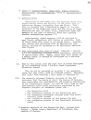
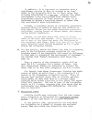
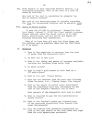
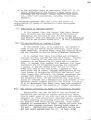
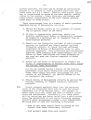
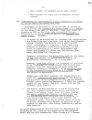
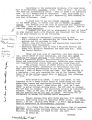
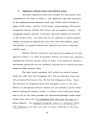
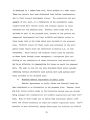
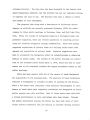
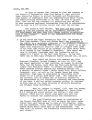
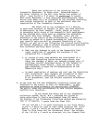
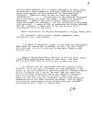
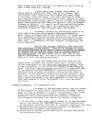
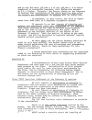
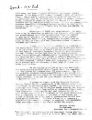
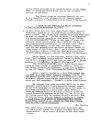
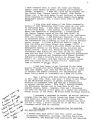
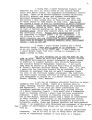
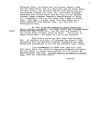
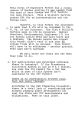
Show of each land parcel would be determined by professional appraisal, based on the current highest and best use, and through negotiations with each landowner. The timing and conditions of the purchase would also be worked out with each landowner. After the land is purchased, land Parcels No. 1 and No. 2 (13,490 acres) would be transferred to the Utah Division of Wildlife Resources in fee title for administration and management. The remaining Parcels (Nos. 3 through 8) consisting of 825 acres total would be transferred in fee title to the U.S. Forest Service for administration and management. Written agreements between the Utah Division of Wildlife Resources, the U.S. Fish and Wildlife Service, the U.S. Forest Service and Bureau of Reclamation would assure that the following management objectives would be achieved on the acquired lands: (1) enhancement of wildlife resources by increasing the carrying capacity of these lands for resident wildlife populations through habitat improvement programs, e.g. controlled livestock grazing, range reseeding, beaver management and development of watering sites. (2) protection and preservation of the wildlife populations and their respective habitat values on the acquired lands by restricting harmful, destructive, or disturbing land uses. Free public access would be provided for consumptive and nonconsumptive uses, such as hunting, fishing, trapping, / hiking, wildlife observations and photography, as long as these uses were consistent with the primary management objectives. There would be no large scale nor concentrated recreational developments (such as campgrounds) on these lands. |
| Reference URL |
https://collections.lib.utah.edu/ark:/87278/s6v69hj4/1151025 |