| Title |
Strawberry Aqueduct and Collection System, Bonneville Unit, Central Utah Project: documents and correspondence, 1979 |
| Description |
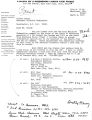
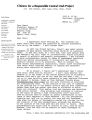
From the The Dorothy Harvey papers (1902-2005), a collection of materials focusing on the Central Utah Project (CUP), a water resource development program to use Utah's alloted share of the Colorado River. Includes correspondence, Harvey's writing drafts and notes for an unpublished book on the CUP, federal documents, project litigation materials, subject files, news clippings, newsletters, programs, brochures, and maps |
| Subject |
Central Utah Project; Strawberry Aqueduct; Wildlife conservation--Utah--Uinta Basin; Rivers--Environmental aspects--Utah; Water resources development --Environmental aspects--Utah; Wetlands--Utah; Ute Indians--Claims; Water-supply--Utah--Salt Lake County |
| Creator |
Harvey, Dorothy |
| Contributor |
Citizens for a Responsible Central Utah Project |
| Alternate Title |
Environmental Assessment of the Terrestrial Wildlife Mitigation Plan for the Strawberry Aqueduct and Collection System, Bonneville Unit, Central Utah Project; Strawberry Collection System wildlife mitigation; Utah Lake (Utah) |
| Additional Information |
Includes questionnaire dated Aug. 28, 1978, about Central Utah Project costs; Bureau of Reclamation Environmental Assessment of the Terrestrial Wildlife Mitigation Plan for the Strawberry Aqueduct and Collection System, Bonneville Unit, Central Utah Project, April 1979; Strawberry Collection System wildlife mitigation: Fact Sheet 5, Feb. 1979; Correspondence from D. Harvey to CRCUP members, federal and state officials, and others |
| Spatial Coverage |
Colorado River Basin (Colo.-Mexico); Uinta Basin (Utah and Colo.); Uinta Mountains (Utah); Rock Creek (Duchesne County, Utah); Jordanelle Reservoir (Utah); Salt Lake County (Utah); Duchesne County (Utah) |
| Collection Number and Name |
Accn2232 bx 57 fd 4; Dorothy Harvey papers |
| Rights Management |
Digital Image © 2010 University of Utah. All Rights Reserved. |
| Holding Institution |
J. Willard Marriott Library, University of Utah |
| Date |
1978; 1979 |
| Digitization Specifications |
Original scanned on Epson Expression 10000 XL and saved as 400 ppi TIFF. Display image generated in Contentdm. |
| Publisher |
Digitized by J. Willard Marriott Library, University of Utah |
| Type |
Text |
| ARK |
ark:/87278/s6v69hj4 |
| Setname |
wwdl_neh |
| ID |
1151130 |
| Reference URL |
https://collections.lib.utah.edu/ark:/87278/s6v69hj4 |
| Title |
Page 64 |
| Setname |
wwdl_neh |
| ID |
1151044 |
| OCR Text |
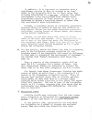
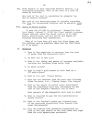
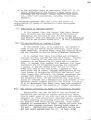
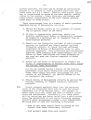
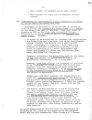
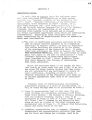
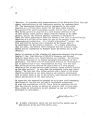
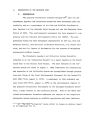
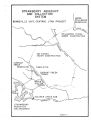
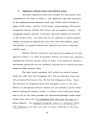
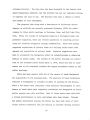
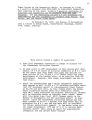
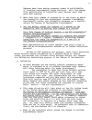
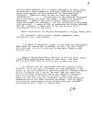
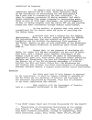
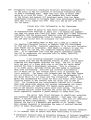
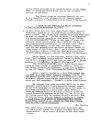
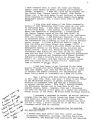
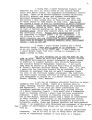
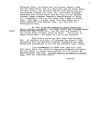
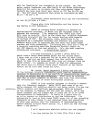
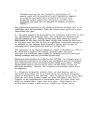
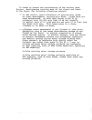
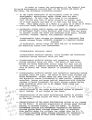
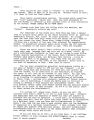
Show primarily to planning and control of ongoing multiple uses, such as mining, livestock grazing, timber harvest, watershed management, and recreational activities. With management for these uses already in effect, it would be very difficult, if not impossible, to improve or change these management practices to provide sufficient wildlife mitigative values to implement a suitable mitigation plan. If such a plan were devised and implemented in order to provide the same mitigative values as the proposed plan, it would require intensive management of at least twice as much land area than is included in the proposed plan. Overall, there would be a social and economic impact on a much greater number of public citizens because of the limiting of recreational development, reduction of grazing and mining permits, reduction of timber harvest sales, and restriction of other forest resource uses which are not compatible to optimum wildlife habitat protection and enhancement• Bureau of Reclamation lands in the Strawberry Valley were evaluated for potential habitat rehabilitation. Specifically, 2,800 acres along the Strawberry River upstream from Strawberry Reservoir were considered upon request by the U.S. Fish and Wildlife Service. These lands are currently used for livestock grazing by the Strawberry Water Users Association. These lands have been periodically treated with herbicides in order to reduce streamside willows and sagebrush in favor of grass production. This has greatly reduced their value for wildlife. These lands could be rehabilitated by restricting and reducing livestock use and by re-establishing willow and sagebrush, as well as other suitable shrubs and forbs. However, the nearness of these 27 |
| Reference URL |
https://collections.lib.utah.edu/ark:/87278/s6v69hj4/1151044 |