| OCR Text |
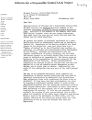
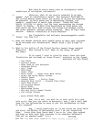
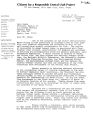
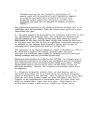
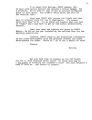
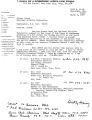
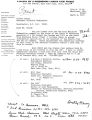
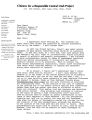
Show 91. P. Mitigation Costs 4. 'Whether or not mitigation on the basis of equivalent productivity (the basis acceptable to Utah agency wildlife biologists) or in kind, is provided, the amount of money it would take to accomplish this is a reasonable measure of mitigation costs. (See Question V for additional explanation.) Q. Relevant costs of fish hatchery replacement of lost natural tributary stream productivity. Some species on the Uintas cannot be reproduced artificially. The survival rate of fish raised in hatcheries at all, and beyond a year, is around 2 0%. Both these losses need to be calculated as costs of the Project - Unit by Unit and stream by stream. R. Costs of maintaining reservoir fisheries. Complete clean-out and replacement seems to be required every 5 - 1 0 years. S. Costs of all research to date, completed or under contract with universities, other agencies, and with independent sources. Please detail. We would like, in addition, a listing of research projects related to natural resources of areas where CUP developments will impact. So far, we as we can determine, the adequacy of time and monies allowed for some research is questionable; the subsequent use of research conclusions by the Bureau may be under question; and disagreement on methods used by different agencies, particularly in determining adequate stream flows and for what purpose *, exists. What is most disturbing is the contract requirement of the Bureau to Utah research groups that they make a statement indicating their "empathy with the goals of the Bureau of Reclamation". It has been our experience that expert sources of information on resources, predominately in universities, who are under contract with the Bureau for research, are unwilling or unable to make statements about natural resources and their values, when they are eminently qualified to do this. The Bureau appears to have "sewed up" by contract research in Utah, much of the available expertise in the *a State. Mitigation only recovers lost resources and i t is not new benefits and therefore should never be used as a benefit in the cost/benefit studies. It is really a cost! * Early in 1963, Forest Service research determined only minimum stream flows to sustain fisheries at the period of lowest stream flow during winter. Today, importance i s attached to protecting entire riparian regimes for their values to associated and dependent wildlife. |