| Title |
Strawberry Aqueduct and Collection System, Bonneville Unit, Central Utah Project: documents and correspondence, 1979 |
| Description |
From the The Dorothy Harvey papers (1902-2005), a collection of materials focusing on the Central Utah Project (CUP), a water resource development program to use Utah's alloted share of the Colorado River. Includes correspondence, Harvey's writing drafts and notes for an unpublished book on the CUP, federal documents, project litigation materials, subject files, news clippings, newsletters, programs, brochures, and maps |
| Subject |
Central Utah Project; Strawberry Aqueduct; Wildlife conservation--Utah--Uinta Basin; Rivers--Environmental aspects--Utah; Water resources development --Environmental aspects--Utah; Wetlands--Utah; Ute Indians--Claims; Water-supply--Utah--Salt Lake County |
| Creator |
Harvey, Dorothy |
| Contributor |
Citizens for a Responsible Central Utah Project |
| Alternate Title |
Environmental Assessment of the Terrestrial Wildlife Mitigation Plan for the Strawberry Aqueduct and Collection System, Bonneville Unit, Central Utah Project; Strawberry Collection System wildlife mitigation; Utah Lake (Utah) |
| Additional Information |
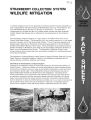
Includes questionnaire dated Aug. 28, 1978, about Central Utah Project costs; Bureau of Reclamation Environmental Assessment of the Terrestrial Wildlife Mitigation Plan for the Strawberry Aqueduct and Collection System, Bonneville Unit, Central Utah Project, April 1979; Strawberry Collection System wildlife mitigation: Fact Sheet 5, Feb. 1979; Correspondence from D. Harvey to CRCUP members, federal and state officials, and others |
| Spatial Coverage |
Colorado River Basin (Colo.-Mexico); Uinta Basin (Utah and Colo.); Uinta Mountains (Utah); Rock Creek (Duchesne County, Utah); Jordanelle Reservoir (Utah); Salt Lake County (Utah); Duchesne County (Utah) |
| Collection Number and Name |
Accn2232 bx 57 fd 4; Dorothy Harvey papers |
| Rights Management |
Digital Image © 2010 University of Utah. All Rights Reserved. |
| Holding Institution |
J. Willard Marriott Library, University of Utah |
| Date |
1978; 1979 |
| Digitization Specifications |
Original scanned on Epson Expression 10000 XL and saved as 400 ppi TIFF. Display image generated in Contentdm. |
| Publisher |
Digitized by J. Willard Marriott Library, University of Utah |
| Type |
Text |
| ARK |
ark:/87278/s6v69hj4 |
| Setname |
wwdl_neh |
| ID |
1151130 |
| Reference URL |
https://collections.lib.utah.edu/ark:/87278/s6v69hj4 |
| Title |
Page 10 |
| Setname |
wwdl_neh |
| ID |
1150990 |
| OCR Text |
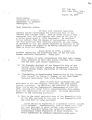
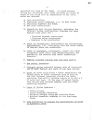
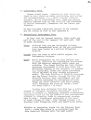
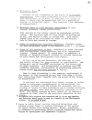
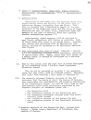
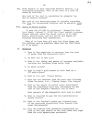
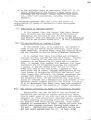
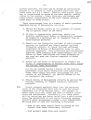
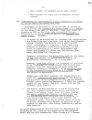
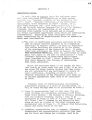
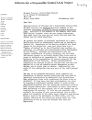
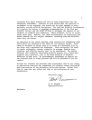
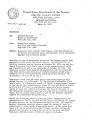
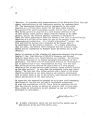
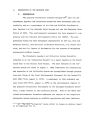
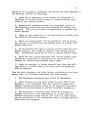
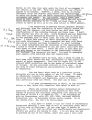
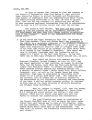
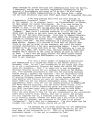
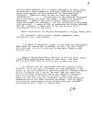
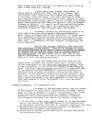
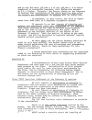
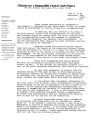
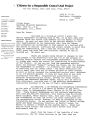
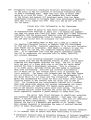
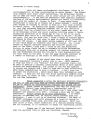
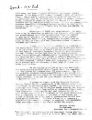
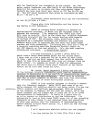
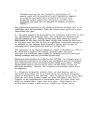
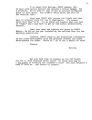
Show ¥0. 7. Specifically no mitigation is provided for Utah Lake fishing, and the unique limnology of the Lake, for Utah Lake wetlands, and for destroyed trout streams. Is mitigation going to be provided in kind and in equivalent productive amount? Example or clarification: The Uinta Range is the lowest lattitude habitat in the country for the Shiras moose. Moose are now moving south, over the Range from the North Slopes into available and as yet unoccupied riparian habitat on the South Slopes (these South slopes and western slopes of the Range are the areas of CUP developments). A population increase is anticipated as moose establish themselves in and adjacent to the stream and streamside habitat carrying capacity. The "write-off" of a specified number of moose as "irretrievable loss" by CUP developments, inadequately reflects the real potential of .loss of this species. In addition, this existing loss, plus its projected population increase in one stream basin, must be added to a similar loss in adjacent stream basins now just beginning to be utilized by the species along the entire Uinta Range South Slopes - where CUP Unit developments are proposed. (Strawberry River to Whiterocks River, inclusive.) Furthermore, mitigation at alternative sites, may not satisfactorily duplicate the particular stream and riparian habitat requirements of moose. These are not a dime a dozen! Similar projections for population increase need to be determined for other wildlife species presently utilizing existing habitat on the Range. As wildlife departments of agencies managing public lands and their wildlife, are more adequately funded to fulfill their responsibilities to the public for these resources, and are able to utilize their increasingly sophisticated wildlife management tools, species productivity will be managed within the multiple - use framework provided the habitat is there. Wildlife is a renewable resource only so long as its habitat remains" Mitigation on the" basis of the displace-ment of 7 elk or on infringement of CUP developments on a specified number of acres of deer winter range, reflects too limited an understanding of wildlife habitat requirements. It minimizes the significance of the^Uinta Range for habitat for high, fountain Range forest wildlife species in a semi-arid land; it imposes consequences of single resource*development on multiple-use public lands1 management; and it essentially overlooks public demand for wildlife resources today! * water |
| Reference URL |
https://collections.lib.utah.edu/ark:/87278/s6v69hj4/1150990 |