| Title |
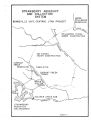
Strawberry Aqueduct and Collection System, Bonneville Unit, Central Utah Project: documents and correspondence, 1979 |
| Description |
From the The Dorothy Harvey papers (1902-2005), a collection of materials focusing on the Central Utah Project (CUP), a water resource development program to use Utah's alloted share of the Colorado River. Includes correspondence, Harvey's writing drafts and notes for an unpublished book on the CUP, federal documents, project litigation materials, subject files, news clippings, newsletters, programs, brochures, and maps |
| Subject |
Central Utah Project; Strawberry Aqueduct; Wildlife conservation--Utah--Uinta Basin; Rivers--Environmental aspects--Utah; Water resources development --Environmental aspects--Utah; Wetlands--Utah; Ute Indians--Claims; Water-supply--Utah--Salt Lake County |
| Creator |
Harvey, Dorothy |
| Contributor |
Citizens for a Responsible Central Utah Project |
| Alternate Title |
Environmental Assessment of the Terrestrial Wildlife Mitigation Plan for the Strawberry Aqueduct and Collection System, Bonneville Unit, Central Utah Project; Strawberry Collection System wildlife mitigation; Utah Lake (Utah) |
| Additional Information |
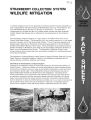
Includes questionnaire dated Aug. 28, 1978, about Central Utah Project costs; Bureau of Reclamation Environmental Assessment of the Terrestrial Wildlife Mitigation Plan for the Strawberry Aqueduct and Collection System, Bonneville Unit, Central Utah Project, April 1979; Strawberry Collection System wildlife mitigation: Fact Sheet 5, Feb. 1979; Correspondence from D. Harvey to CRCUP members, federal and state officials, and others |
| Spatial Coverage |
Colorado River Basin (Colo.-Mexico); Uinta Basin (Utah and Colo.); Uinta Mountains (Utah); Rock Creek (Duchesne County, Utah); Jordanelle Reservoir (Utah); Salt Lake County (Utah); Duchesne County (Utah) |
| Collection Number and Name |
Accn2232 bx 57 fd 4; Dorothy Harvey papers |
| Rights Management |
Digital Image © 2010 University of Utah. All Rights Reserved. |
| Holding Institution |
J. Willard Marriott Library, University of Utah |
| Date |
1978; 1979 |
| Digitization Specifications |
Original scanned on Epson Expression 10000 XL and saved as 400 ppi TIFF. Display image generated in Contentdm. |
| Publisher |
Digitized by J. Willard Marriott Library, University of Utah |
| Type |
Text |
| ARK |
ark:/87278/s6v69hj4 |
| Setname |
wwdl_neh |
| ID |
1151130 |
| Reference URL |
https://collections.lib.utah.edu/ark:/87278/s6v69hj4 |
| Title |
Page 98 |
| Setname |
wwdl_neh |
| ID |
1151078 |
| OCR Text |
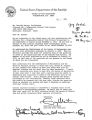
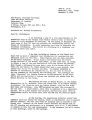
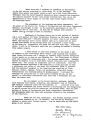
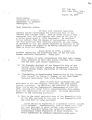
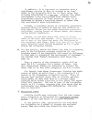
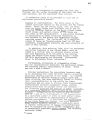
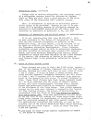
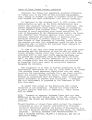
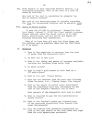
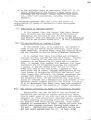
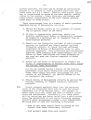
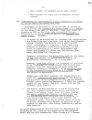
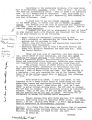
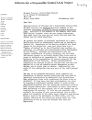
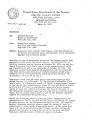
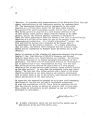
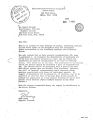
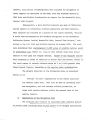
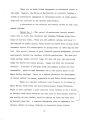
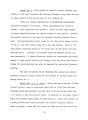
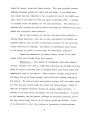
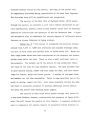
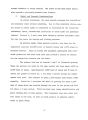
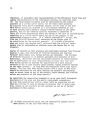
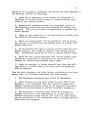
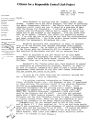
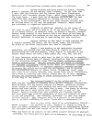
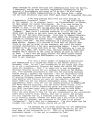
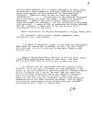
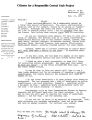
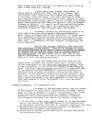
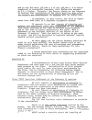
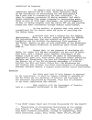
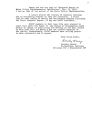
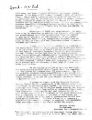
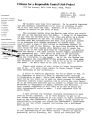
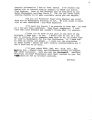
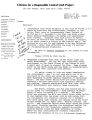
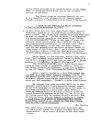
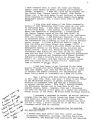
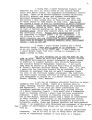
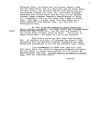
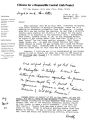
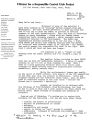
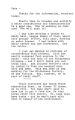
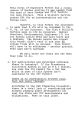
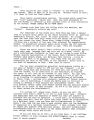
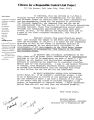
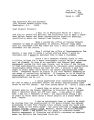
Show How long do these areas stay as floodplains under conditions of ecological succession? 2. Likewise, what do you people consider to be wetlands? Just an identifiable marsh? Wet meadows? Portions of any stream bottom where there are stands of willow and hummocks of grasses? In Rock Creek and in Whiterocks Canyons, for example, conditions of marsh type occurr. There has been beaver activity in spots, and the land surrounding the stream itself is marshy. In West Fork Blacksfork at that point low down where the dirt road crosses the stream (no bridge) there the river meanders through grassy hummocks. What is this state called? Similar conditions at China Meadows? 3. Are floodplains and wetlands interchangeable conditions? Can they be? 4. Does the Forest Service have mapped areas of what they consider to be wetlands and floodplains? Where could I get a- copy of this? 5. What is the policy of the Forest Service toward these natural features? What should it be? What is the value of each? For what? To be exact I need to identify where there are both floodplains and wetlands on these Rivers: portions on the Forest. portions off the Forest - the Provo - Currant Creek - West Fork of the Duchesne - Duchesne River - Wolf Creek - Twin Creek - Hades Creek - Rock Creek - South Fork Rock Creek - Sixth and Fifth Water Creeks - Hobble Creek - Jordan River - Sevier River - Spanish Fork River - Diamond Fork River - Lake Fork River - Yellowstone River - Uinta River - Whiterocks River - Big and Little Brush Creeks - the Ashley Creeks - also around Utah Lake Now, let's see, you must be in your early 40's and this could take you ten years to determine, and 1_ can't wait that long for the information or ways to get the information so what do you suggest? Don, I would appreciate it if you would not ring bells and alert the Bureau of Reclamation that I am not forgetting them. Every time they learn what I am up to, they turn around and come up with what they consider to be adequate defenses! Just get me started here. O.K.? Dorothy S a v " H I " t o t h a t : Crancr 1 r»a f i ncr i n f h o l n ohoi'Tio r> >•>/-*,, v,,* U/M. t |
| Reference URL |
https://collections.lib.utah.edu/ark:/87278/s6v69hj4/1151078 |