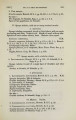
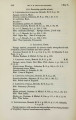
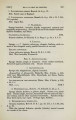
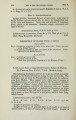
| OCR Text |
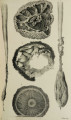
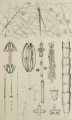
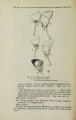
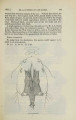
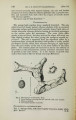
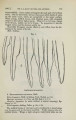
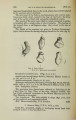
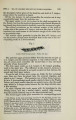
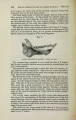
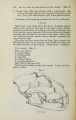
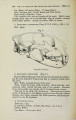
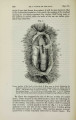
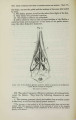
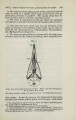
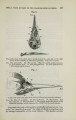
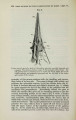
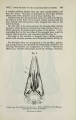
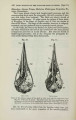
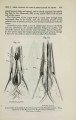
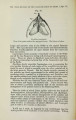
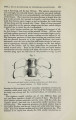
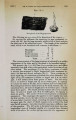
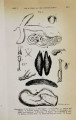
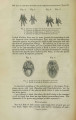
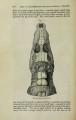
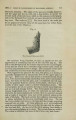
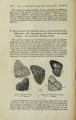
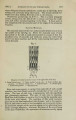
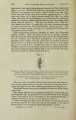
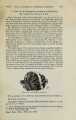
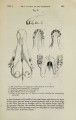
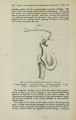
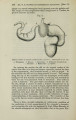
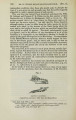
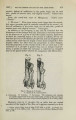
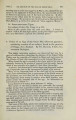
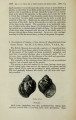
Show 26 DR. J. S. BOWERBANK ON HYALONEMA MIRABILE. [Jail. 10, The peculiarities of the structures of these oscular organs somewhat resemble those of the inhalant organs of Geodia Barrelti, described and figured in the ' Philosophical Transactions of the Royal Society' for 1862, pl. 32. figs. 3, 4 & 9a, pp. 788, 792, 794, and also in ' Monograph of British Spongiadse,' pl. 19. figs. 301, 302, and pl. 28. f. 354 a. The spicula forming the spiral column of the sponge are the longest organs of this description that I have ever seen. They are composed of numerous concentric layers, and are very similar in their structure to the large spicula in Tethea cranium or Euplectella aspergillum, Owen. The asperation of the bases of the spicula is usually produced by a partial desquamation of the concentric layers, apparently for the purpose of giving the base of the column a stronger adhesive power to the central mass of the sponge. In form they are identical with those of the skeleton fasciculi of the basal mass of sponge, but vastly enlarged in their size and proportions to adapt them to their own especial office in the economy of the animal. The normal condition of these spicula is that of smooth cylinders ; but when immersed in the basal mass of the sponge, and also in the lower part of the corium, they undergo a remarkable alteration in shape, assuming very frequently the form of the well-known structure of the hairs of the Bat. In this case the alteration in form is effected by the projection of a series of thin superposed layers of membrane following each other, and secreting silex rapidly and increasingly as they advance, until, each having progressed about the space of 4 or 5 diameters of the central spiculum, they terminate abruptly with a strongly denticulated margin. The silex intervening between the external coat of these coronated masses and the surface of the axial spiculum is not composed of concentric layers as in the latter, but it is as solid in appearance as a mass of glass, as represented (Pl. V. figs. 16, 17). These curious forms may be seen deeply moulded in the substance of the lower part of the inner corium in which such spicula have been imbedded. This singular structure is apparently to endow that portion of the spiculum with greater prehensile powers than could be obtained by a more or less amount of desquamation of the proximal portions of the spiculum. The curious cloacal column of this sponge is not without a parallel in the history of the Spongiadce, as in the British genus Ciocalypta. In C. penicillus we have a series of cloacal columns projected from the basal mass of the sponge, each of which has a central axis of spicula connected together in a longitudinal direction, which extends from the base to the apex of each of the columns. A rather stout dermal membrane envelopes each of them, but is not closely adherent to the central axis as in Hyalonema ; on the contrary, it is supported from contact with it by a series of short stout pedicels of spicula, the bases of which are immersed in the central axis and their apices radiate in every direction, forming at their junction with the dermal membrane a most effectual support to it. The spaces between the central column and the dermal membrane, when seen by the aid |