| OCR Text |
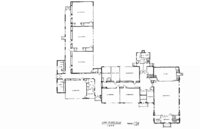
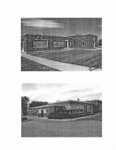
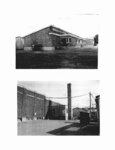
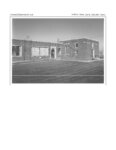
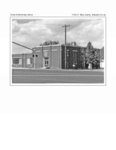
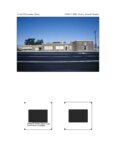
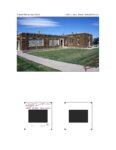
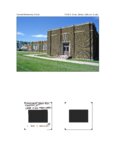
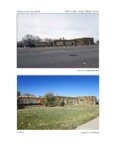
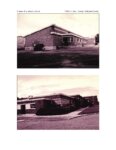
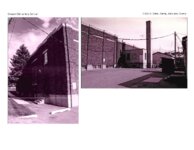
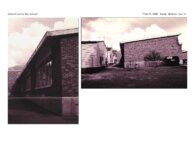
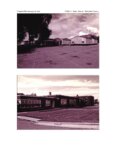
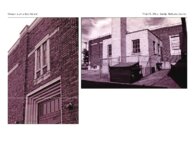
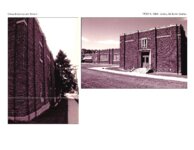
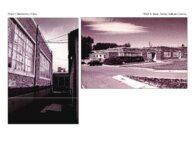
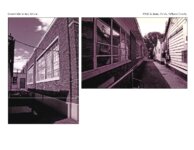
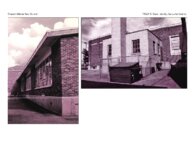
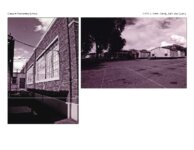
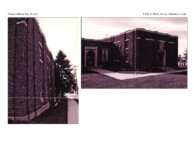
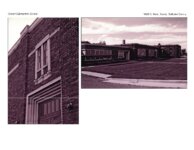
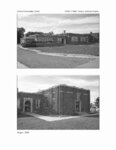
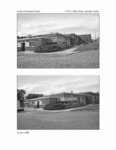
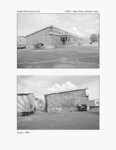
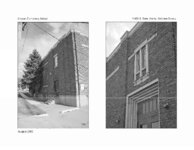
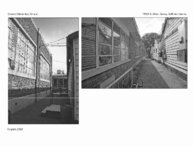
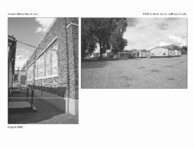
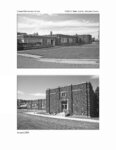
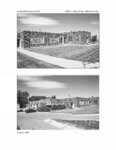
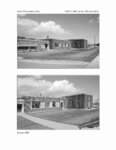
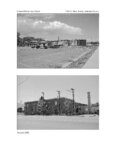
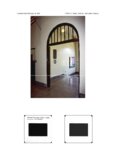
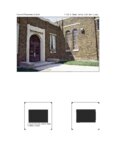
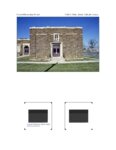
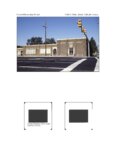
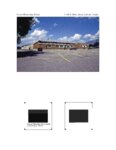
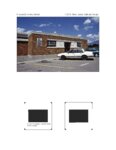
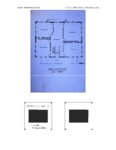
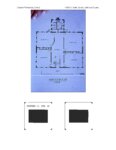
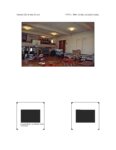
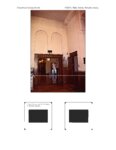
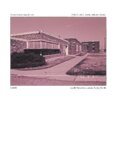
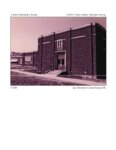
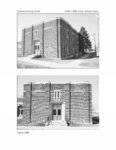
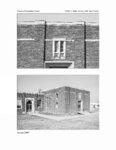
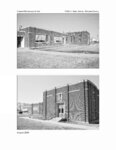
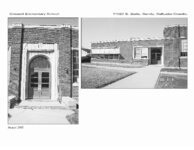
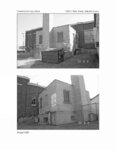
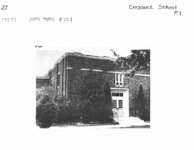
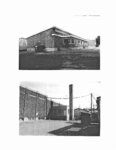
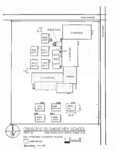
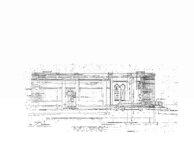
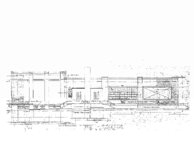
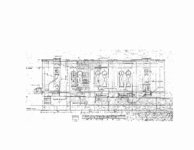
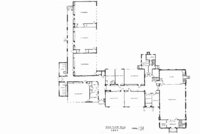
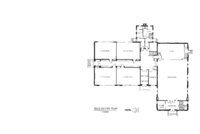
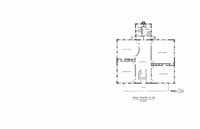
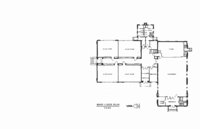
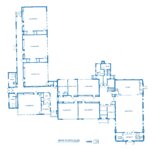
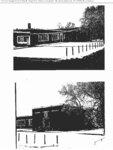
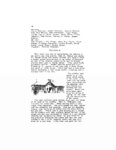
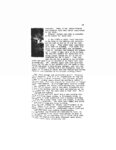
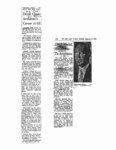
Show OMB Approval No. 10024-0018 NPS Form 10·900-a Utah MSWOrd 4.0 (Mac) Format (Revised Nov. 1995) United States Department of the Interior National Park Service National Register of Historic Places Continuation Sheet Section number_8_ Page_5_ Crescent Elementary School, Sandy, Salt Lake County, UT General contractors who submitted bids included [in order of largest amount to smallest]: John E. Anderson, Oscar Lundquist, Carl Wahlquist, Paul Paulson, J.M. Haslam, Alston & Hogan, Louis DeYoung, Bernston Brothers, and Salzner & Thompson. The citizen's committee again approached the Board with a request to enlarge the Crescent playground. The committee members explained the new school building was constructed in the area that was used as a playground; they suggested that the school board purchase four acres of land located south of the school. The citizens had been in contact with the owner, Mr. F.D. Jaynes, who was willing to sell the land for $800.00 per acre. A few months later the board agreed to purchase three acres from Mr. Jaynes for a new playground. 16 The first school building was demolished to make way for the larger facility; however the restroom/boiler addition was retained and the new school was designed to accommodate its location. The new building had four large classrooms, an auditorium with a balcony, stage and projection room, a kitchen and cafeteria, a library, a principal's office, two book rooms, two shower rooms and two lavatories. The building was designed by the Salt Lake City architectural firm of Ashton & Evans; the building contractor was Salzner & Thompson. A plaque in the entry commemorated the building's dedication; a second plaque , informs that the building is located on what was once a part of the Pony Express trail, ~~{'~ The Crescent School building was dedicated Thursday, November 20, 1930. ~~~ ~ ~' Raymond J. Ashton was born in Salt Lake City in 1887. He began his career at the age of ten, serving as a water boy for the bricklayers on construction sites. From there he went on to learn the trade of bricklaying. Ashton attended the University of Utah for two years, leaving to work as a draftsman for the Chief Engineer of the Union Pacific Railroad. After a few years of work, he returned to the University and graduated in 1909 with a degree in Engineering. Ashton was married in 1913, and the couple went to France on a mission for the LDS Church. During his mission he managed to find time to further his architectural stpdies. When he mission was complete, the couple moved to Chicago where Ashton worke~ as a draftsman duringihe day and attended the E'Cole de Beaux Arts in he evening. During World War I Ashton found steady employment in1ne engineering office of the Armour Packing Company, eventually being promoted to Plant Designer. On returning to Salt Lake City, he found employment with the architectural firm oft~oung & Hansen. In 1918 he partnered with Francis D. Rutherford to form Rutherford & Evans. This was dissolved in 1921, and the next year Ashton entered into partnership with Raymond Evans to form Ashton & Evans. In 1930,Ashton was elected president of the Utah chapter of the AlA and became a member of the AlA's national Board of Directors. In 1943\he was elected president of the AlA. He served two terms as president, then was elected chairman of the AlA Jury of Fellows. 17 ~ ~? I8lSee continuation sheet(s) for Section 8 16 17 Minutes of Board of Education Meetings. book 5. USHS Architect files: Salt Lake Tribune. November 10. 1946. November lB. 1956 |