| OCR Text |
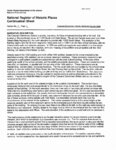
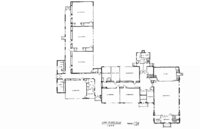
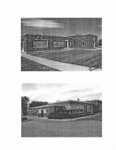
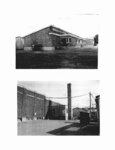
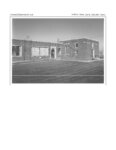
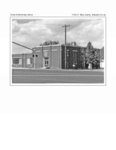
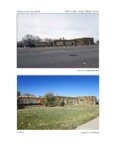
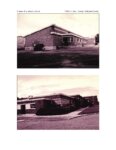
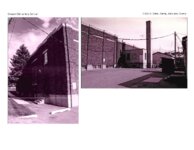
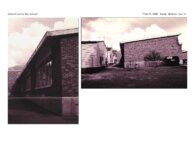
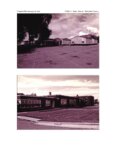
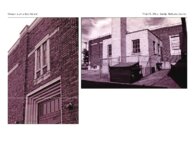
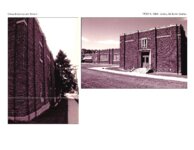
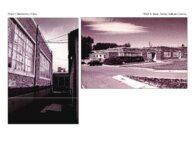
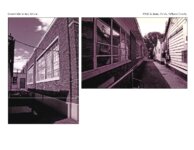
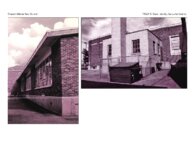
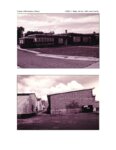
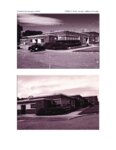
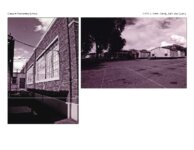
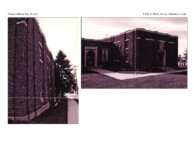
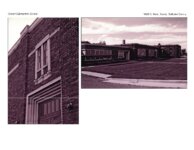
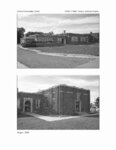
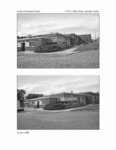
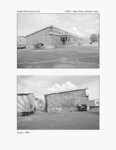
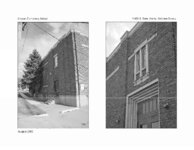
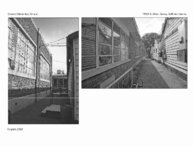
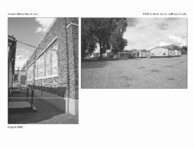
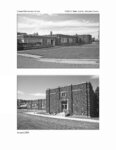
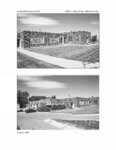
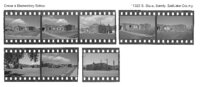
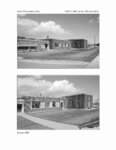
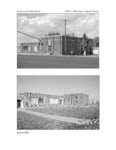
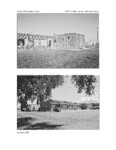
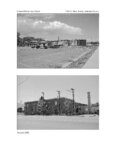
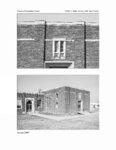
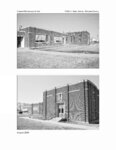
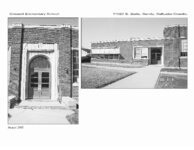
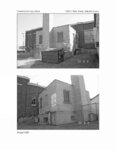
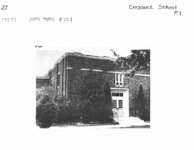
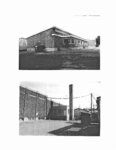
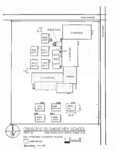
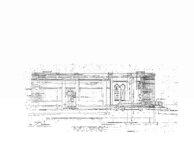
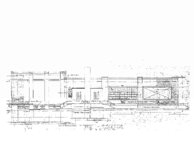
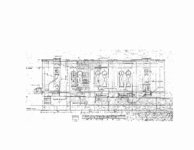
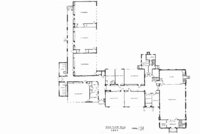
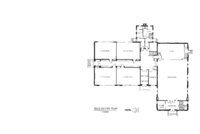
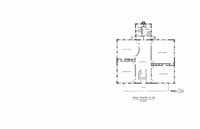
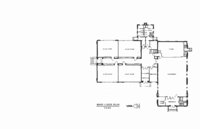
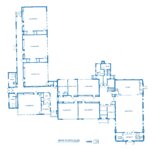
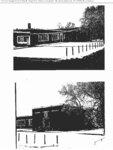
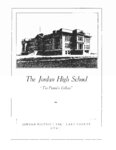
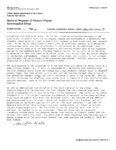
Show 0MIl No. 1024-0018. United States Department of the Interior National Park Service National Register of Historic Places Continuation Sheet Section No .~ Page .-L Crescent Elementary, Sandy, Salt Lake County, Utah According to Encyclopedic History by Andrew Jenson, in 1890, a brick meetinghouse was built for the newly established Crescent Ward of the LOS Church. In 1900, a "modern brick meeting house" was built in Crescent and "the older structure was acquired by the school trustees of the district. "10 Several sources indicate that the land for the new school building was not secured until 1905, when LOS church bishop James P. Jensen arranged for the school board to purchase the land from 11 Frederick Jaynes. These same sources indicate that the new brick school was built in 1906. The new school building contained four large classrooms, a hallway, and a storage room in the attic. The building was symmetrical, with a tripartite fa9ade , rectangular footprint and a hipped roof. The center section of the fa9ade was slightly projected and had a gabled Greek Revival-style roof. Atop this gable roof was the school bell enclosed in a wood frame cupola. In 1907, the Crescent School became part of the Jordan School District. In the 1920s, the school building was retrofitted with modern plumbing and heating facilities that required an addition to the rear (west) of the building. The restrooms were located on the main level of the addition, with the boiler on the lower level. In early 1930, a committee conSisting of H.W. Jorgensen, Bishop Edward Fairbourn, Arzie Jaynes, Jos. R. Jensen and Geo. Beckstead (all of whom were citizens and residents of Crescent) appeared before the Board of Education regarding building a new schoolhouse and/or auditorium. Mr. Jorgensen explained that the residents of Crescent had held a mass meeting and unanimously agreed that the committee should make a formal request to the board of education for a new school building to be constructed immediately. He further explained that the school was "badly in need of room, especially for recreational activities. "12 School Superintendent Jensen stated that the board agreed and that Crescent would be next in line for a building. On June 6, 1930, the school board met in a special session to open the bids for the proposed new Crescent School and Auditorium. General contractors who submitted bids included (in order of largest amount to smallest): John E. Anderson, Oscar Lundquist, Carl Wahlquist, Paul Paulson, J.M . Haslam, Alston & Hogan, Louis DeYoung, Bernston Brothers, and Salzner & Thompson . The citizen's committee again approached the Board with a request to enlarge the Crescent playground. The committee members explained the new school building was constructed in the area that was used as a playground; they suggested that the school board purchase four acres of land located south of the school. The citizens had been in contact with the owner, Mr. F.D. Jaynes, who was willing to sell the land for $800.00 per acre. A few months later the board agreed to purchase three acres from Mr. Jaynes for a new playground.13 The first school building was demolished to make way for the larger facility; however, the restroom/boiler addition was retained and the new school was designed to accommodate its location. The new building had four large classrooms, an auditorium with a balcony, stage and projection room , a kitchen and cafeteria , a library, a principal's office, two book rooms, two shower rooms and two lavatories. The building was designed by the Salt Lake City architectural firm of Ashton & Evans; the building contractor was Salzner & Thompson . A plaque in the entry commemorated the building's dedication; a second plaque informs that the building is located on what was once a part of the Pony Express trail. 14 The Crescent School building was dedicated Thursday, November 20, 1930. Jenson, Andrew. Enc~clope~ i8 HistOM\' 1941 . Abstract otTitle; A Hilory 0 rescen, DUP, 1962-64. 12 Minutes of Board of Education Meetings, book 5. 13 Minutes of Board of Education Meetings book 5. 14 To date no physical evidence has been found to support this fact. 10 11 |