| OCR Text |
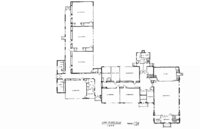
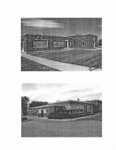
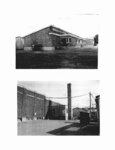
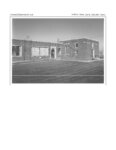
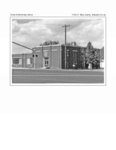
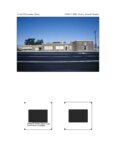
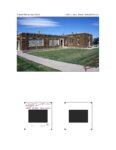
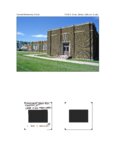
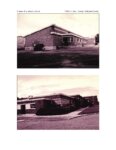
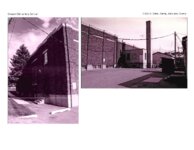
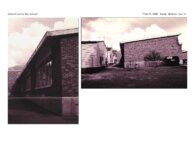
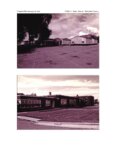
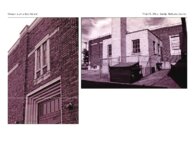
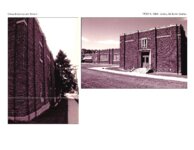
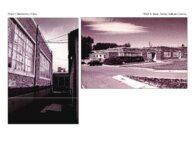
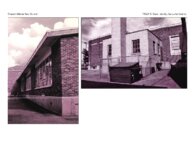
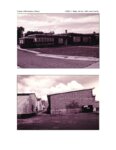
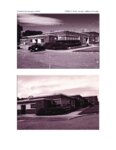
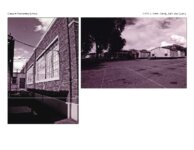
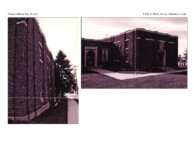
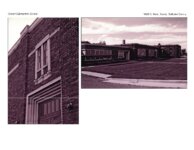
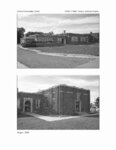
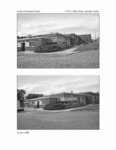
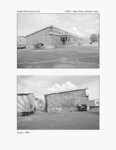
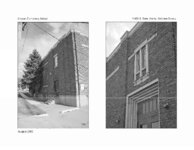
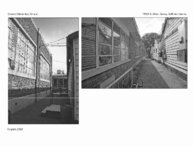
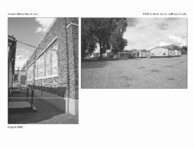
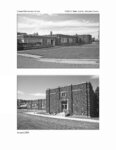
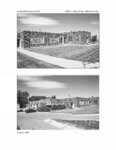
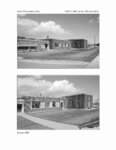
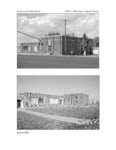
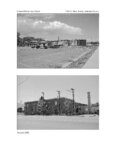
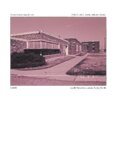
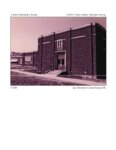
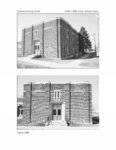
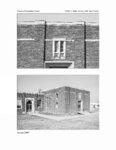
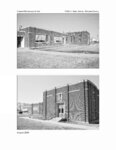
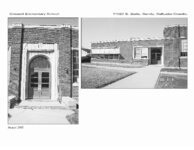
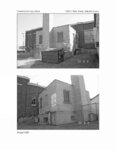
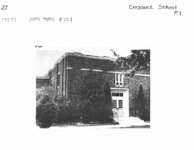
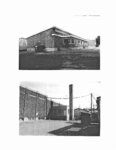
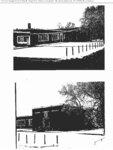
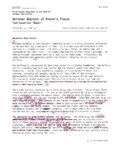
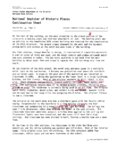
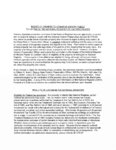
Show OMB No. 1024-0018, United States Department of the Interior National Park Service National Register of Historic Places Continuation Sheet Section No.~ Page _1_ Crescent Elementary, Sandy, Salt Lake County, Utah NARRATIVE STATEMENT OF SIGNIFICANCE The Crescent Elementary School, built in 1930, is significant under Criterion A and C as part of the multiple property nomination Historic Resources of Sandy City. Under Criterion A, the building is significant for its association with the Specialized Agriculture, Small Business, and Community Development Period of development in the history of the Sandy area. Under Criterion C, the school is significant as a well-preserved example of a public school with Art Deco stylistic influences. Both sections of the school, the 1930 building and the 1954 addition, are good representative examples of the architecture of their time. The Crescent school is significant as the only remaining example of a school building from the 1930s in Sandy, and is a contributing historic resource of the city. HISTORY Located twelve miles south of Salt Lake City, Sandy City was founded in the 1850s as a farming settlement. The majority of these early farmers were members of the Church of Jesus Christ of Later-day Saints (LDS or Mormon Church) who were encouraged by their church leaders to pursue agricultural activities and establish self-sufficiency. When work on the Salt Lake LDS Temple began in 1852, Sandy became an essential way station as the granite for the building was cut from Little Cottonwood Canyon, located just east of Sandy. During the 1860s and 1870s settlers came to Sandy with the promise of easy land grants in the less crowded south valley. In 1863, precious metals were discovered in the canyons located just east of town, and the early history and development of Sandy parallels the history of the mining industry. The farming town soon changed to suit the clientele; hotels, saloons and brothels dominated Main Street. Sandy became an important diversified hub for farming, granite cutting, mining and smelting, In 1873, LDS church leader Brigham Young christened the town "Sandy" for its thirsty soil. The first major period of development in Sandy is known as the Mining, Smelting and Small Farm Era, 1B71-c.1910.1 In 1871, a 160-acre town site was platted 2 ; a number of sampling mills and smelters were built and Sandy became a strategic shipping point. While the dominant economic force during the 1870s through the 1890s was mining, a local agricultural community also developed. New business enterprises arose to support the local agricultural community, new schools were built, and in 1893 the city was incorporated. 3 By 1930, production in the mines had ceased; without the presence of miners, Sandy City began to clean up the saloons and brothels, and concentrate on civic improvements. 4 The Specialized Agriculture, Small Business, and Community Development Period, 1906-1946 is the second period of development in Sandy. The mining, smelting and small farm era was gradually replaced by a more diversified economy. The population of Sandy remained at approximately 1,500 between 1900 and 1940. 5 During this time the city was defining itself as the political, economic, civic and social center for the southeast Salt Lake Valley. This second period of Sandy's history laid the groundwork for the city's eventual transformation from small town to suburb. One of the earliest signs of community development was the creation of subdivisions from large farm parcels. During the first four decades of the twentieth century the majority of Sandy residents |