| OCR Text |
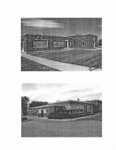
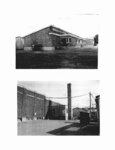
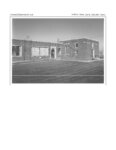
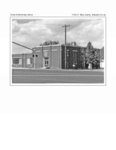
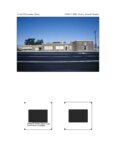
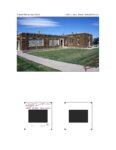
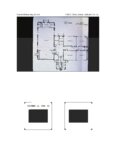
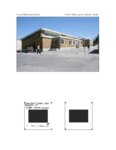
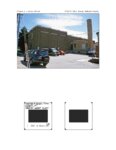
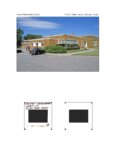
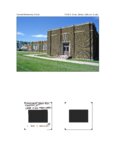
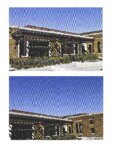
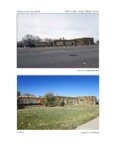
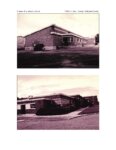
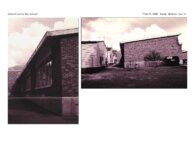
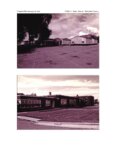
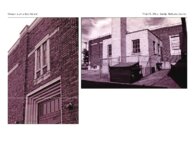
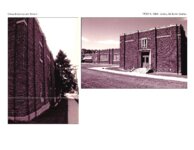
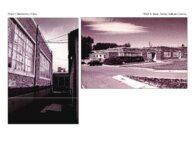
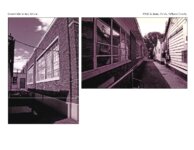
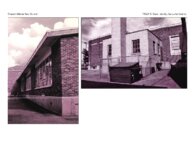
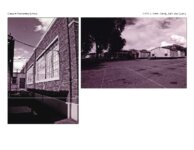
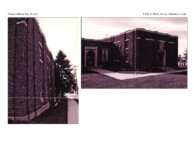
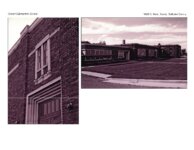
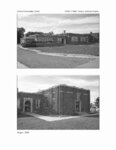
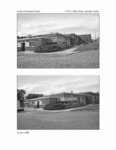
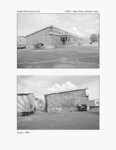
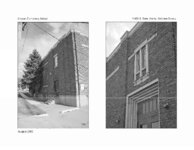
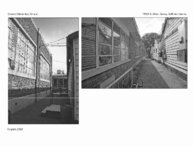
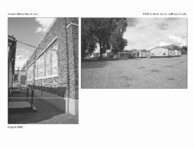
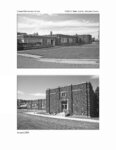
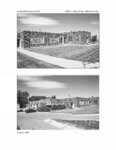
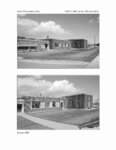
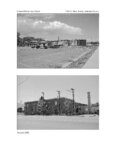
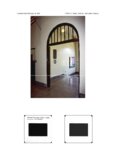
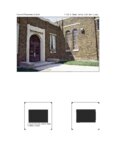
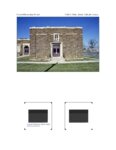
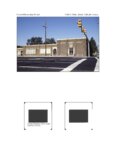
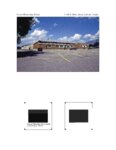
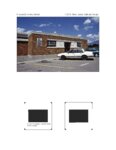
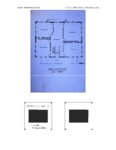
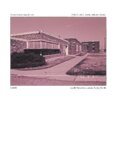
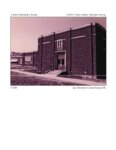
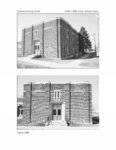
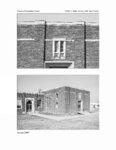
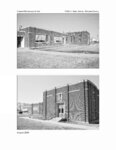
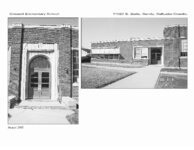
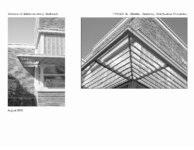
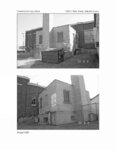
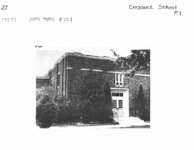
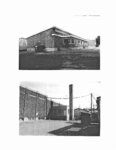
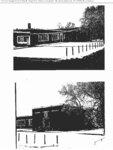
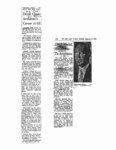
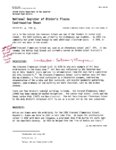
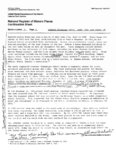
Show OMS No. 1024-0018. United States Department of the Interior National Park Service National Register of Historic Places Continuation Sheet Section No.~ Page ~ Crescent Elementary, Sandy, Salt Lake County, Utah The Crescent School was designed by Architect Raymond J. Ashton who was born in Salt Lake City in 1887. He began his career at the age of ten, serving as a water boy for the bricklayers on construction sites; he then went on to learn the trade of bricklaying . Ashton attended the University of Utah for two years, leaving to work as a draftsman for the Chief Engineer of the Union Pacific Railroad. After a few years of work, he returned to the University and graduated in 1909 with a degree in Engineering. Ashton was married in 1913, and the couple moved to France in order to serve on a mission for the LOS church. During his two-year stay in France, Ashton managed to find time to further his architectural studies and attended the E'Cole de Beaux Arts. In 1915, the couple moved to Chicago where Ashton worked as a draftsman. During World War I, Ashton found steady employment in the engineering office of the Armour Packing Company, eventually being promoted to Plant Designer. On returning to Salt Lake City he found employment with the architectural firm of Young & Hansen. In 1918, he partnered with Francis D. Rutherford to form Rutherford & Evans. This was dissolved in 1921 , and the next year Ashton entered into partnership with Raymond Evans to form Ashton & Evans. In 1930, Ashton was elected president of the Utah chapter of the AlA and became a member of the AlA's national Board of Directors. In 1943, he was elected president of the AlA. He served two terms as president and then was elected chairman of the AlA Jury of Fellows. 18 Raymond Leslie Evans was also a native of Salt Lake City, born in 1895. Evans began his career in 1912 with the local architectural firm of Ware & Treganza. In 1922, he and Raymond Ashton established their partnership. During his professional career, Evans was elected president of the Utah chapter of the AlA. Ashton & Evans designed buildings in the Salt Lake Valley as well as throughout the west. Local examples include several buildings on the University of Utah campus, including the Einer Nielsen Field House, George Thomas Library, and the first Student Union Building (now the music hall). Other local buildings include the Holladay Grade School (4580 South 2300 East), Capitol Hill LOS ward Building, Temple Square Hotel, Mountain States Telephone & Telegraph Company, Sears Roebuck & Company, and the Utah State Prison; all of these buildings are still standing. The firm later took on a junior partner, B. Eugene Braizer, and became Ashton, Evans, Brazier & Associates.19 In summary, the Crescent Elementary School meets the registration requirements for institutional Buildings as outlined in the 1997 National Register Multiple Submission (MPS): Historic Resources of Sandy City. Built in 1930, Crescent Elementary is associated with the history and development of Sandy City between 1906 and 1946 as based on the MPS. The original architectural features have been maintained; the fenestration patterns as well as the size of the openings have not been modified in any way and there have been no alterations to the building. The Crescent Elementary School represents not only the widespread influence of the Art Deco style on public buildings, but also the growth and development occurring in Sandy City in the early part of the twentieth century. 18 19 USHS Architect files : Salt Lake Tribune . November 10.1946. November 18. 1956 USHS Architect files : Deseret News & Telegram, October 21. 1963 |