| OCR Text |
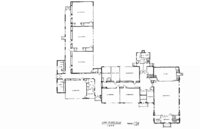
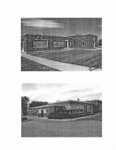
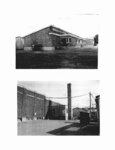
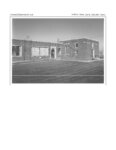
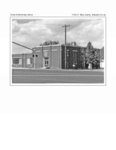
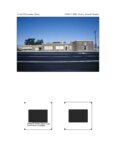
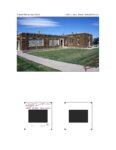
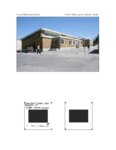
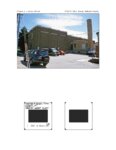
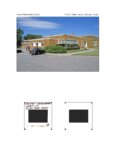
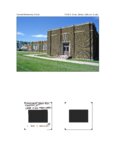
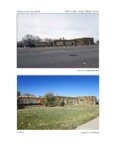
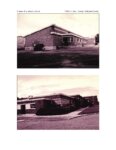
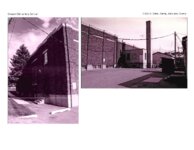
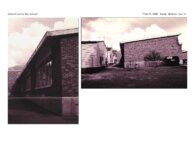
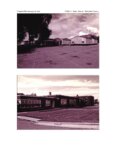
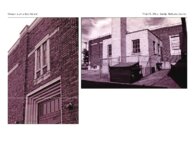
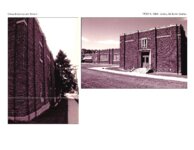
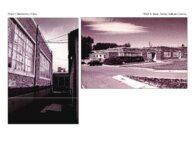
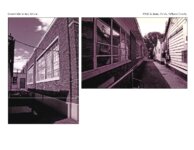
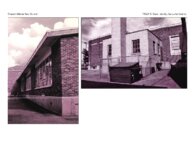
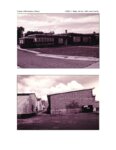
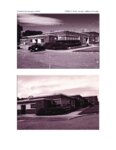
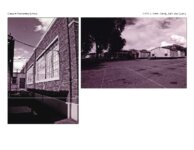
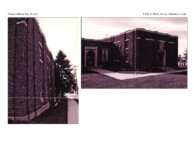
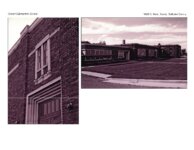
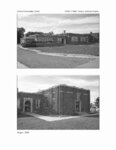
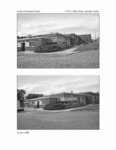
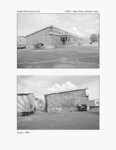
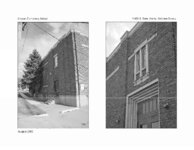
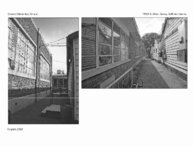
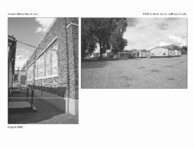
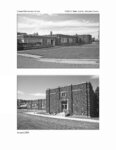
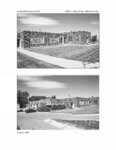
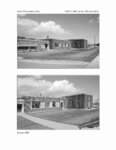
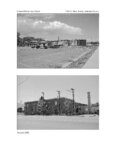
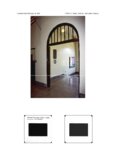
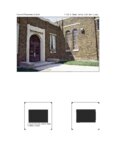
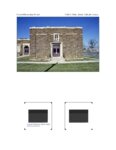
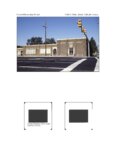
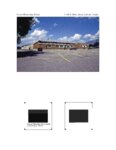
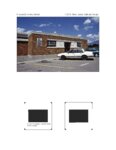
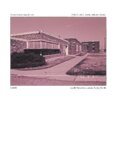
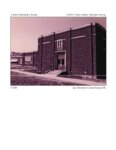
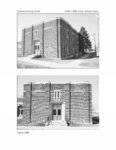
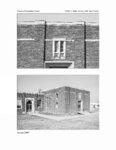
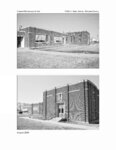
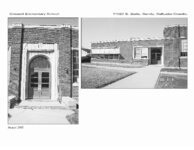
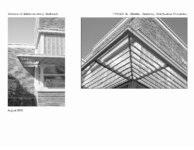
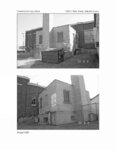
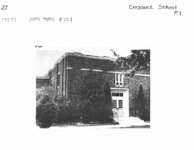
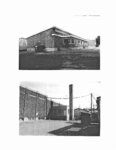
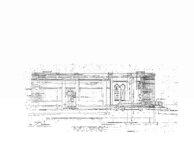
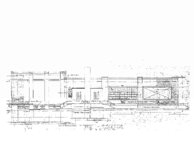
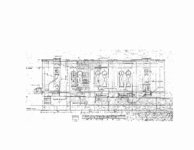
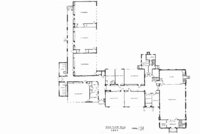
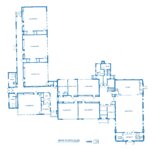
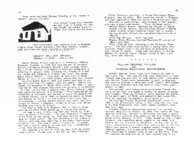
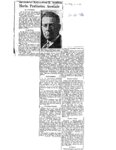
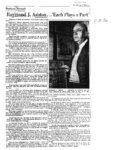
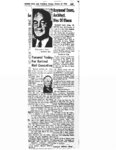
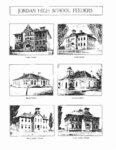
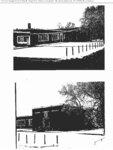
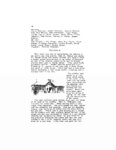
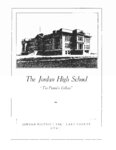
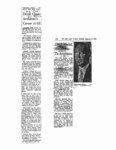
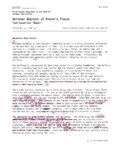
Show high school. ARCHITECTURE: The Crescent Elementary School built in 1930 is the only example of Art Deco architecture in the Sandy area.6 Art Deco was influenced by the International Style, a "modern" style which derives its ornamentation from the 1925 Paris Exposition des Arts Decoratifs. 7 The Crescent Elementary School subtly employs many Art Deco design elements: a flat-roof surrounded by a decorative parapet, contrasting ornamentation of the window and door surrounds, and angular geometric patterning. However, some elements of the building are more classical, such as the arched windows. There are four historic schools buildings in Sandy. The Central Elementary School (1908) has been remodeled beyond recognition. The Jordan High School (1914) and the Sandy Junior High (1927) are Neo-classical. The Art Deco Crescent Elementary School is the only historic structure still in use as a school and is the best preserved. ARCHITECTS: Ashton and Evans were the architects for the 1930 Crescent Elementary School. Raymond L. Evans was born in 1895 in Salt Lake City. He began his architectural career in 1912 with Ware and Treganza, a prominent Utah firm during the early part of the twentieth century. In 1923 he helped form the firm of Ashton and Evans.B Raymond J. Ashton was born in 1887 in Salt Lake City. At the age of ten, after serving as waterboy on construction jobs, he learned bricklaying. While attending the University of Utah, his summers were spent as draftsman in the chief engineer's office of the Union Pacific Railroad. He attended the Ecole des Beaux Arts School of Architectural Design in Chicago, returning to Salt Lake and teaming with Francis Rutherford in 1918.9 The firm of Ashton and Evans designed many education buildings, such as the field house at the University of Utah, the Holladay Grade School (1928) and the gymnasium of the Riverton School. They also designed the Capitol Hill LDS Ward Chapel (1928), the Cedar City Hotel (1928), and several homes throughout Salt Lake City.lo 6Reconnaissance level survey, 1987. 7Thomas Carter and Peter Goss, Utah's Historic Architecture, 1847-1940, (Salt Lake City, Utah: University of Utah Press, 1988), 175. BObituary, Salt Lake Tribune, October 2, 1963. 9"Architect Raymond J. Ashton Merits Profession Accolade," Salt Lake Tribune, November 10, 1946. lOArchitects' Files, Utah State Preservation Office. Crescent Elementary Page 3 |