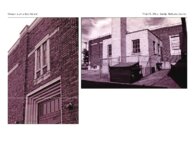
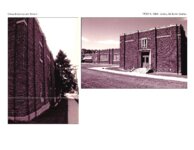
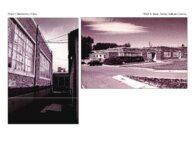
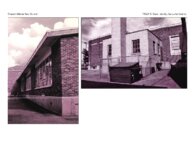
| OCR Text |
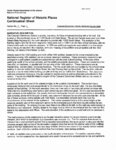
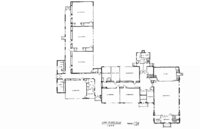
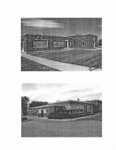
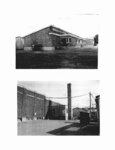
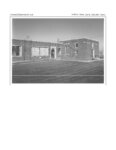
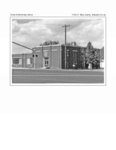
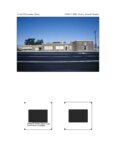
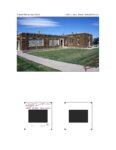
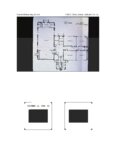
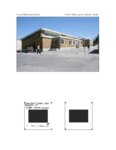
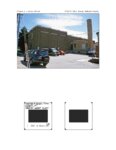
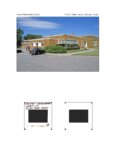
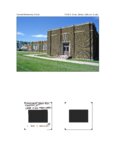
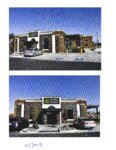
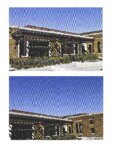
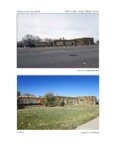
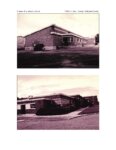
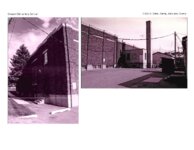
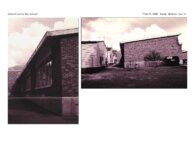
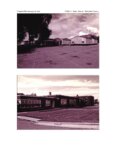
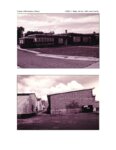
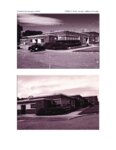
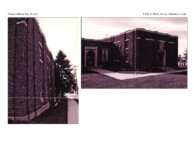
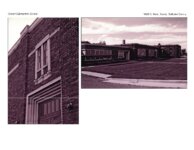
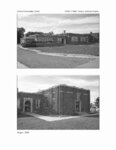
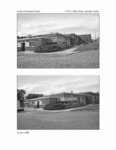
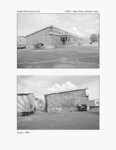
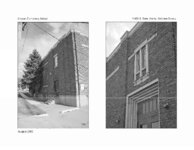
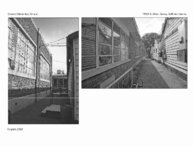
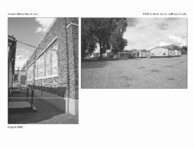
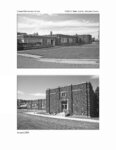
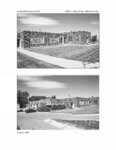
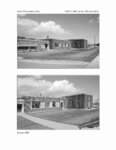
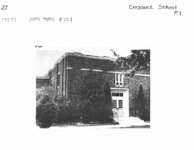
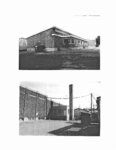
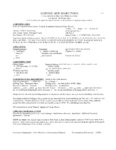
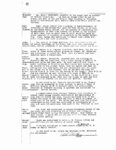
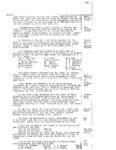
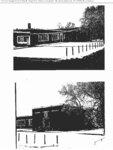
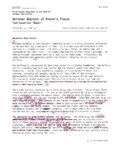
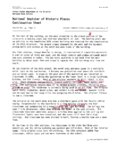
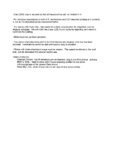
Show NPS Form 10-900-a Utah MSWord 4.0 (Mac) Format (Revised Nov. 1995) OMB Approval No. 10024-0018 United States Department of the Interior National Park Service National Register of Historic Places Continuation Sheet Section number _8_ Page _1_ Crescent Elementary School, Sandy, Salt Lake County, UT Narrative Statement of Significance The Crescent Elementary School is significant under Criterion A and C as part of the multiple property nomination Historic Resources of Sandy CitYI.Specialized Agriculture, Small d Community Development Period Under Criterion A, the building is significant for its association with i~OILal~APeriod of community development in the history of the Sandy area. Under Criterion C, th~.~~~_~~~ significant as an extremely well~preserved example of a public schOO~Tne ad~tion will soon be of the historic period; it also retains a high degree of integrity. Both sections of the school are excellent examples of the architecture of their time. IM.~ o-f' Due to an~o~v~~~~~~ron on the part of many local school districts, older school buildings are routinely demolished as they are not able to meet current stringent seismic codes. For a variety of reasons, districts are unwillin allow an alternative use. T e Crescent school is sig.ni~ficant as one_ of.~~w remain~ examples of a school building from the 1930s era, and~1:ontribut~ C'-tb& "'ize'E9F'i~ r,e8etl~eee~ Sandy City. History ~ V\()"WL4--\ Located twelve miles south of Salt Lake City, Sandy City was founded in the 1850's as a farming settlement. The majority of these early farmers were members of the Church of Jesus Christ of Later-day Saints (LDS or Mormon Church) who were encouraged by their church leaders to pursue agricultural activities and establish self-sufficiency. When work on the Salt Lake LDS Temple began in 1852, Sandy became an essential way station as the granite for the building was cut from Little Cottonwood Canyon, located just east of Sandy. During the 1860's and 1870's settlers came to Sandy with the promise of easy land grants in the less crowded south valley. Beginning in 1863, precious metals were discovered in Big Cottonwood and Little Cottonwood canyons located just east of town; as well as Bingham canyon across the valley in the Oquirrh Mountains. In 1869 the transcontinental railroad arrived in Utah, extending south in 1871 2 , and placing Sandy at the crossroads of Salt Lake City, Bingham Canyon, and Big and Little Cottonwood Canyons. The early history and development of Sandy parallels the history of mining; the city either boomed or declined based on these mining operations. The farming town changed to ; suit the clientele; on their days off the miners would come to town to patronize hotels, ~ saloons and brothels. Sandy became a significant supply station and transportation link for the mines, virtually all ores extracted from the canyons during the 1860's went hrough Sandy. The railroad depot became the heart of the town, and Sandy became an important diversified hub for farming, granite cutting, mining and smelting. In 1873 LDS I ~ ~ I8ISee continuation sheet(s) for Section 8 Broschinsky, Korral. Historic Resources of Sandy City, Multiple Property Nomination, 1997. Daughters of the Utah Pioneers, Tales of a Triumphant People: A History of Salt Lake County, 19xx. |