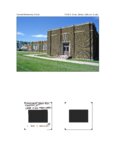
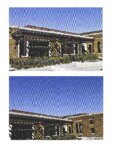
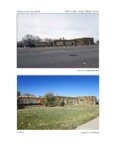
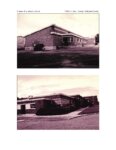
| OCR Text |
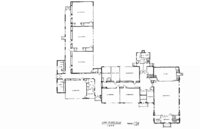
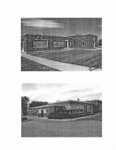
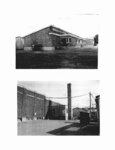
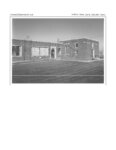
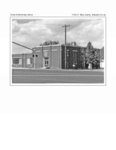
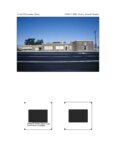
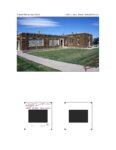
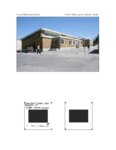
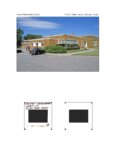
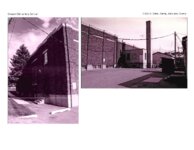
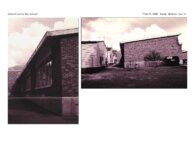
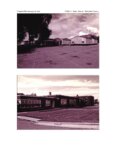
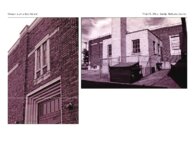
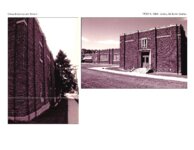
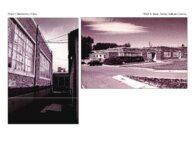
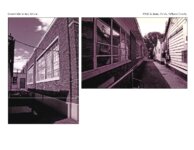
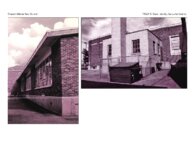
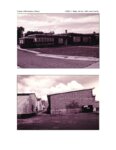
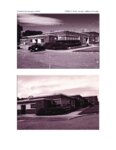
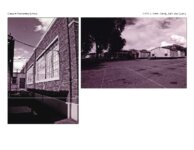
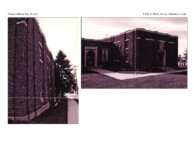
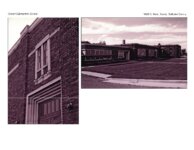
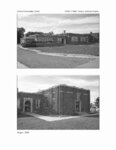
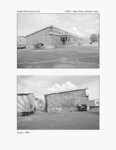
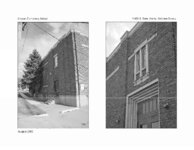
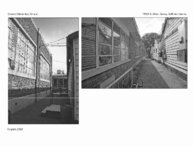
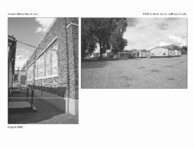
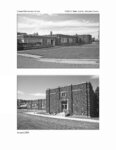
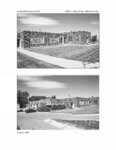
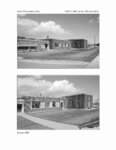
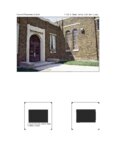
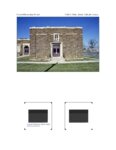
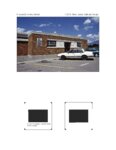
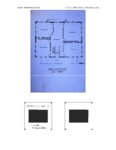
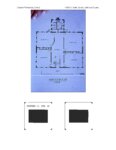
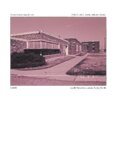
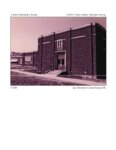
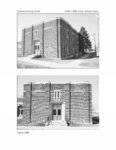
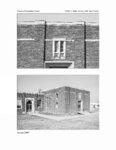
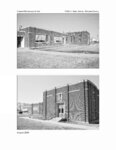
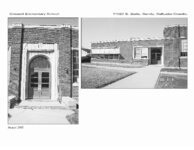
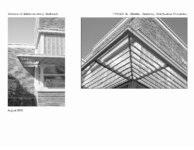
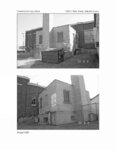
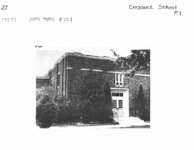
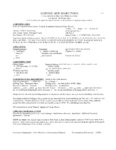
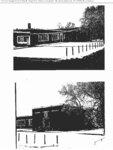
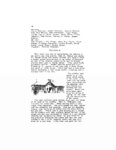
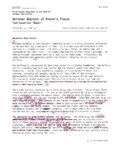
Show IPS ro,. 11-"'-' Ita. "''''rfacl 5.1 ro ...l . . 10.11124 . .11 (a..Is04 F••. 1"3) United States Departlent of the Interior National Park Service Nat;onal Reg;ster of H;stor;c Places Cont;nuat;on Sheet Sect;on No. ~ Page-1- Crescent Ela.entary School. Sandy. Salt Lake County. ur Narrative Stateaent of Significance The Crescent Elementary School, built in 1930, is a significant example of the educational architecture of Utah in the first half of the twentieth century. The school building is being nominated under Criterion A of the multiple property nomination, Historic Resources of Sandy, the Specialized Agriculture, Small Business, and Community Development Period (1906-1946). The 1930 Crescent Elementary School represents a rural commun·ty's effort to meet the needs of its school age children. The school was desig rovide a wholesome educational environment, and to keep the children ot Crescen ' from being split-up and sent to remote schools. The building had several mo ern· amenities and was used as a community center by the residents of Crescent and Sandy. The property also qualifies under Criterion C as the only example of an Art Deco public building in the Sandy area. The building is well-preserved and retains its historic integrity. EDUCATION IN UTAH: Prior to 1850, parents paid tuition fees for each child enrolled in school with some assistance from the Church of Jesus Christ of Latter-day Saints (LOS) church. In 1850 the territorial government provided that when public lands were surveyed and sold, the proceeds would be turned into a fund for the support of common schools, making education free to all children in the territory. The 1880 Utah legislature passed an act creating school districts and authorized a tax for buildings. At that time LOS meetinghouses were considered legal district schools even though they were retained for religious purposes. The gentiles, or non-Mormons, did not send their children to these schools, except with rare exceptions, but they were also taxed for these schools. Legal conflicts arose and the decision of the courts stated that Mormon school trustees could not collect such taxes while the buildings stood on record as church property. Ward meetinghouses were soon transferred to school trustees .1 -X- See continuation sheet Nobel, pp. 365-71. |