| OCR Text |
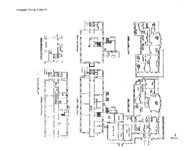
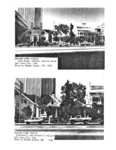
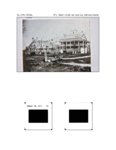
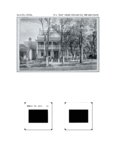
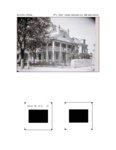
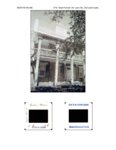
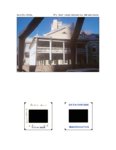
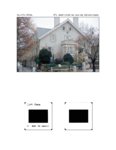
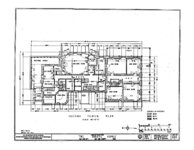
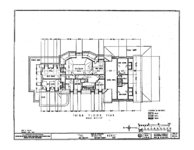
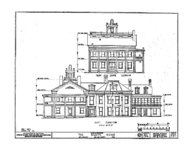
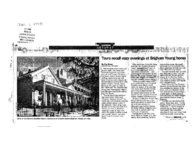
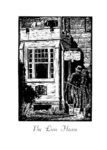
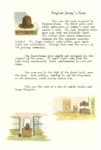
Show THE LION HOUSE History The Lion House has often been called the "Mount Vernon of the West." Within its walls and partitions, fashioned from native sunbaked adobe, Brigham Young, who more than any other man shaped the destiny of this Western Empire, lived and died. If the original native pine which still frames the doors could speak, it could tell about receptions held in this house for many great men of the world - could tell about the laying of plans which shaped the destiny of this struggling territory isolated in the desert wastes - could tell about this home in which love and harmony were predominant and around which all other activities of life revolved - could tell about its owner, a "modern Moses" who believed in the soil and in the good of all men. For during these many years the Lion House . . . built in 1855-56 as the home of Brigham Young and his family ... has been the setting for many important events that contributed much to the communities and people which now make up the State of Utah. Planned by Truman O. Angel, the architect of the inspiring Salt Lake Temple just half a block away, it follows a pattern of an early English architecture. Above its entrance is mounted a reclining British lion. This figure, designed and placed above the door by the builder, gives the mansion its name, which is known around the world. As we follow the thousands who have previously stepped through the entrance onto the second floor we enter a long hall extending through the center of the building. This hall is duplicated on all three floors. The first floor originally consisted of the dining room, buttery, kitchen, laundry, school room, weaving room and cellar |