| OCR Text |
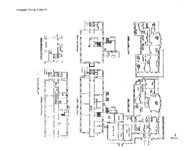
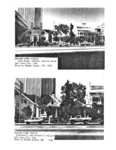
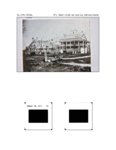
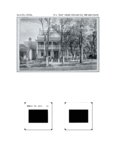
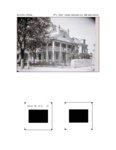
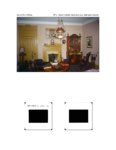
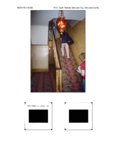
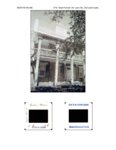
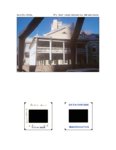
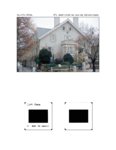
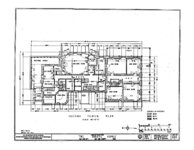
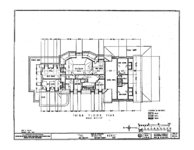
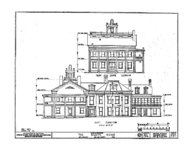
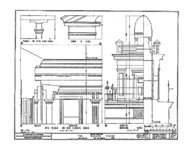
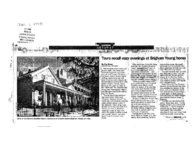
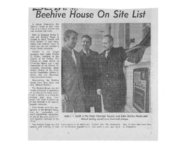
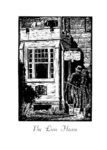
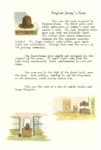
Show BEEHIVE HOUSE The design of the Beehive House follows the 19th Century Greek revival in architecture. The architect was Truman O. Angell, who also designed the many-spired Salt Lake Temple. Some of the original drawings for the Beehive House fortunately were found in the archives of the Church Historian's Office shortly after work on the restoration had begun in 1959. These drawings proved invaluable in the restoration of the home. As oric;rinally built, the main part of the house consisted of two stories and an attic, surmounted by a beehive-shaped cupola, the transitional "Mormon" symbol of industry which was to give the home its name. Surrounding this tower is a steel-railed (original was wood) "widow's watch," reminiscent of the colonial coast. Since the death of Brigham Young, the Beehive House has undergone two major alterations. The first was made by a son who purchased the home in 1888. Under this remodeling, the rear section was rebuilt into a three-story wing. The formal dining room downstairs also was extensively remodeled, and an upstairs sitting room and parlor were added. The "adobe" walls were found to be in remarkably good condition. When later additions were tom out, the walls revealed the exact location of stairs, halls, dooxways, partitions and roof lines just as described in the old manuscripts and original plans. In the process of restoration, , wide pine board floors, laid with square naHs as in the original horne, replaced later hardwoods. In the 1850's, Brigham Young had a nine-foot-high cObbleroc_k wall erected around the Beehive House as protection from unfriendly intruders |