| OCR Text |
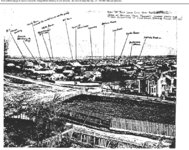
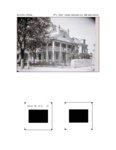
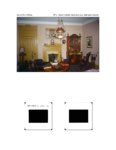
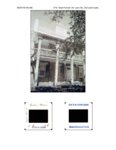
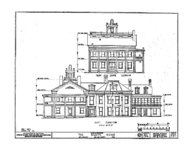
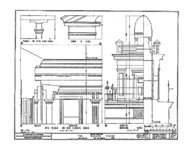
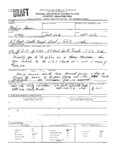
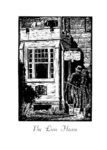
Show 6. Function or Use Historic Functions (enter categories from instructions) Domestic - Single dwelling Commerce/Trade - Professional organization Government - Statehouse Religious - Church related dwelling 7. Description Architectural Classification (enter categories from instructions) Classical Revival Late Gothic Revival I ' Current Functions (enter categories from instfuction( -)- - Recreation & Culture - museum Landscape - Plaza Social - Meeting hall Materials (enter categories from instructions) foundation sandstone walls stuccoed adobe roof wood shingle other _____________________________________ Describe present and historic physical appearance. The Brigham Young Complex National Historic Landmark (NHL), consisting of the Beehive House, Lion House and Governor and (Mormon Church) President's Offices, is located on the northwest corner of State and South Temple Streets, Salt Lake City, Utah. The houses and offices were the living and working space of Brigham Young, Utah Territory's primary religious and political leader. Their period of national significance extends from 1852 when their construction began until Young's death in 1877. The exteriors of all three structures retain a high degree of their historic character and architectural integrity. Restored in the 1950s and 1960s, the interior spaces of Beehive House and the Offices are integral to an understanding of the significance of those structures. The interior of the Lion House, now used as the Lion House Social Center, has been so altered in the 20th century, however, as to have lost its historic integrity and no longer contributes to the overall significance of the National Historic Landmark. Site The Brigham Young Complex occupied 20 acres, or two full city blocks in the original Salt Lake City plat. About 35 structures, in addition to the houses and offices of the landmark, were once part of the Brigham Young official compound. Buildings added to the proper~y in the 1850s and 1860s included the large, 2-story "White House," built in 1849-1850 and predating Beehive House. The White House was a plastered adobe, temple-form building that housed Young's first wife Mary Ann Angell and her children. The Young family schoolhouse, a white building with a cupola, which stood farther east and set back from the road, was another prominent building. An observer in 1867 reported that 50 of Young's children attended classes there. The compound was designed for selfsufficiency and also had a gristmill, barns, corrals, granaries, a store, and outbuildings. None of these first buildings exist today. (See photograph, circa 1875, and annotated copy that identifies the individual buildings.) All the buildings on the original 20-acre property were enclosed behind a 9-foot-high rubbles tone wall supported by circular buttresses. A gatekeeper passed visitors and family members through the Eagle Gate, a wooden and rubbles tone archway surmounted by a huge carved wooden eagle located at the east end of the Beehive House at the entrance to City Creek Canyon. The eagle was plated with metal in 1891 as a preservation measure and placed on a rebuilt arch, raised to permit streetcars to pass under it. Finally, after this second arch was accidentally pulled down by a truck, it was replaced in 1963 with the !;J See continuation sheet |