| OCR Text |
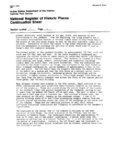
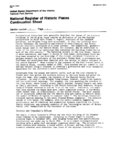
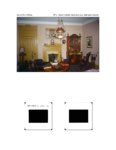
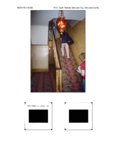
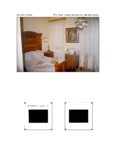
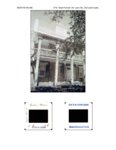
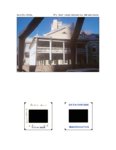
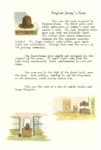
Show The sewing room was a workrooa and teaching room. ~lth their JtOther while she worked. '!he children wer e '!bis room was also used as a birthing roo:.. Fro. the second. story there was a sp1ral. staircase which led. to the a t.tic. This is where the "Black Prince" grapes which were grown in the garden ':>lare dried for rais8ns. '!bere was. also a painting studio for the children in the attic area. In the ..north end of the Baeh!ve House. on the JlAin floor was the store which was kept well stocked for fully use. '!he counters; and shelves were laden with calicoes, braid, notions, and staples of all kinds. '!bere were drugs, dried peas, and apples. In large square glass jars were maple sugar, syrup, rock and peppendnt candy. And sometiaes even white luap sugar which, to the children, was a real treat.? MIn the cellar hung the swinging milk shelves with their ten-quart pans of rich milk, topped with thick cream which was churned into rolls of butter. All the supplies that had to be kept cold, were keptthere. H8 There was a homey old kitchen with its big black cookstove and tin-lined sink, a cupboa.~ that would hold fifty pies, wooden chopping bowls, utensils and dishes to serve at least thirty people daily. Always, there were sixteen to eighteen helpers to be boarded besides men who worked on the estate."9 Mary Ann Angel1 Young and her seven children lived in the Beehive House six years, from 1854-1860. When her heO.lth failed, her husband built her a smaller home east of the Beehive House. "White House". This house became known as the It stood where the Elks Club is now, at 139 E. South Temple. Lucy Ann Decker Young lived in the Beehive House from 1860-1888. Ann Angell Young. twenty-~lght years. After which she sold the house to John W. Young, son of Mary Brigham had passed away in 1877. widow for eleyen years. 'lIbid., page 4J4. 8 - , Ibid. 9Ibid. She had 11 ved there as a |