| OCR Text |
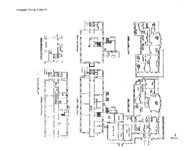
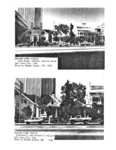
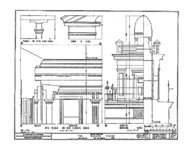
Show United States Department of the Interior National Park Service National Register of Historic Places Continuation Sheet Section number _8_ _ 7 __ Page_ their own conceptions of the ideal or heavenly model." Of these groups, the Mormons weie most successful in creating a lasting "new order" based on communitarian principles including polygamy. Propagation was the primary rationale for the practice of polygamy. Mormon theology held that all those living had previously had a pre-earth life as spirits. These spirits received physical bodies on earth through human births; body and spirit again were united at the resurrection of mankind at the millenium promised by Mormon prophets. Polygamy also served to enhance the power and pr~stige of its male practitioners and was the means of salvation for both sexes. Brigham Young's prosperous economic status and exalted position as Church President as well as Territorial Governor, and the actual rarity of the practice, made the polygamous microcommunity he established at the Lion and Beehive Houses the most highly developed and most visible of such households in Mormon history. As he expressed it at the first Retrenchment Society meeting, Young considered the organization of his household and the behavior of its members as a model for the larger community. Architect Truman O. Angell, who designed the buildings in the Brigham Young Complex, originally was a carpenter born in 1810 in Providence, Rhode Island. He was baptized into the Mormon faith in 1833 and migrated to Kirtland, Ohio, in 1835, where he helped complete the Kirtland Temple. This work provided the occasion for close acquaintance with Church leaders. In 1834 Brigham Young married Angell's older sister, Mary Ann; 11 years later, Angell's mother and sister Jemima were sealed to Young as plural wives. Angell followed Young to Utah as the primary architect for important institutional buildings. According to biographer Paul L. Anderson, Angell sought Young's "council often and usually deferred to him in cases of disagreement." In 1852 Angell had 22 projects either underway or in the planning stages. These included the Statehouse or Capitol at Fillmore, the Social Hall, the Governor's House and Meetinghouse at Provo, in addition to Young's official residence. He began the structure for w£~ch he is most noted, the Salt Lake Temple, during the same period in 1853. In the design of the complex, Young and Angell sought not only to provide "equal comforts" for Young's wives but paid great heed to the health and welfare of his children. This was evident in the arrangement of the internal living space of the Lion House, in particular, and in external additions to the houses and offices such as porches, connecting passages, and space for recreation on the original grounds of the property. For example, in 1861-1862 on the west end of the house, Young built closed-in porches, now gone, with gymnastic equipment for the girls, especially those he thought might get "round-shouldered." In the summer the girls would drag their beds onto the |