| OCR Text |
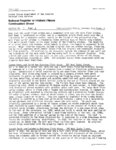
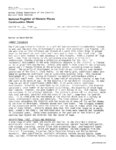
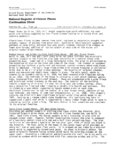
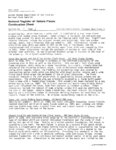
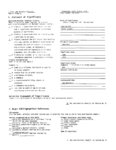
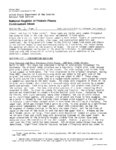
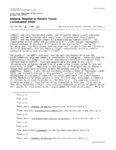
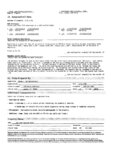
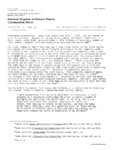
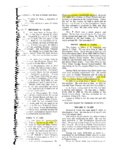
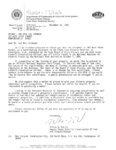
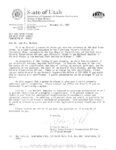
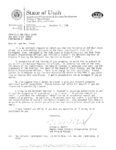
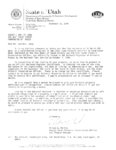
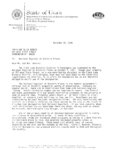
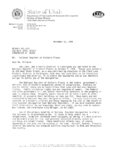
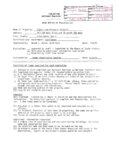
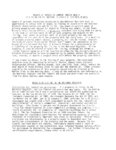
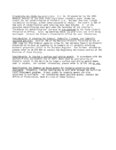
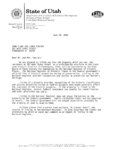
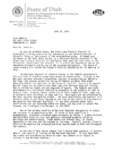
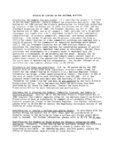
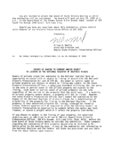
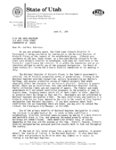
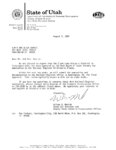
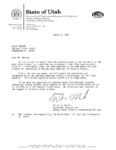
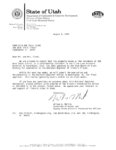
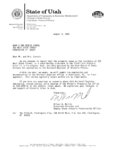
Show RIGHTS OF OWNERS TO COMMENT AND/OR OBJECT TO LISTING IN THE NATIONAL REGISTER OF HISTORIC PLACES Owners of private properties nominated to the National Register have an opportunity to concur with or object to listing in accord with the National Historic Preservation Act and 36 CFR 60. Any owner or partial owner of private property who chooses to object to listing may submit, to the State Historic Preservation Officer, a notarized statement certifying that the party is the sole or partial owner of the private property and objects to the listing. Each owner or partial owner of private property has one vote regardless of the portion of the property that the party owns. If a majority of private property owners object, a property will not be listed. However, the State Historic Preservation Officer shall submit the nomination to the Keeper of the National Register of Historic Places for a determination of eligibility of the property for listing in the National Register. If the property is then determined eligible for listing, although not formally listed, Federal agencies will be required to allow for the Advisory Council on Historic Preservation to have an opportunity to comment before the agency may fund, license, or assist a project which will affect the property (see below). If you choose to object to the listing of your property, the notarized objection must be submitted to Wilson G. Martin, Deputy State Historic Preservation Officer, 300 Rio Grande, Salt Lake City, Utah, 84101, before the Utah Board of State History meets to consider the nomination. Other comments regarding the nomination of this property should also be directed to Mr. Martin prior to the meeting date. A copy of the nomination and information on the National Register and the Federal and State tax provisions are available from the above address upon request. RESULTS OF LISTING IN THE NATIONAL REGISTER Eligibility for Federal tax provisions: If a property is listed in the National Register, certain Federal tax provisions may apply. The Tax Reform Act of 1986 revised the historic preservation tax incentives authorized by Congress in the Tax Reform Act of 1976, the Revenue Act of 1978, the Tax Treatment Extension Act of 1980, the Economic Recovery Tax Act of 1981, and Tax Reform Act of 1984, and as of January I, 1987, provides for a 20 percent investment tax credit with a full adjustment to basis for the "substantial rehabilitation" of historic commercial, industrial, and rental residential buildings. (The former 15 percent and 20 percent Investment Tax Credits (ITCs) for rehabilitations of older commercial buildings are combined into a single 10 percent ITC for commercial or industrial buildings built before 1936.) The Tax Treatment Extension Act of 1980 provides Federal tax deductions for charitable contributions for conservation purposes of partial interests in historically important land areas or structures. Whether these provisions are advantageous to a property owner is dependent upon the particular circumstances of the property and the owner. Because the tax aspects outlined above are complex, individuals should consult legal or professional counselor the appropriate local Internal Revenue Service office for assistance in determining tax consequences. For further information on certification requirements, please refer to 36 CFR 67. |