| OCR Text |
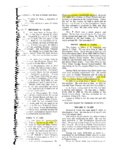
Show 138 interpreting the program and applying it to the local situation. The sketchy accounts of these discussions do not make clear exactly what was being done to implement the United Order in Farmington during the first few months. There was talk of "turning in all we possesslt 8 and of appointing overseers who would supervise work in the fields and credit laborers for the work they did. 9 It seems, then, that an attempt may have been made at following the Orderville system of common property. However, the plans soon were altered toward an easier application of cooperation. Rather than try a communal ' living system, the Farmington settlers strengthened existing programs __ cooperative herds and store __ and entered into new cooperative busi_ nesses __ a tannery, a shoe shop, and a broom factory. Perhaps Bishop Hess was reflecting the decision against a communal property system when he commented that "it was not the peoples (sic] property that was wanted but it was their whole faith in this thing o "l0 Mormon leaders used the United Order movement to re_emphasize certain religious principles. The fourteen rules published by the church centered primarily upon personal conduct, but also included guides for cooperative living. l1 Those who joined the United Order agreed to avoid profanity, to live the Word of Wisdom (abstain from tea, coffee, liquor, and tobacco), to honor the Sabbath, remember their prayers, treat their families with kindness, observe personal and moral cleanliness, avoid stealing o and (to specify one kind of theft) to 8Ibid ., May 310 1874. 10Ibido, Apr. 18 0 1875. llThe rules are published in full in Mortensen and Mulder, pp. 393-98. |