| OCR Text |
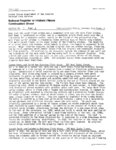
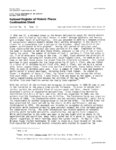
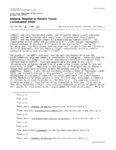
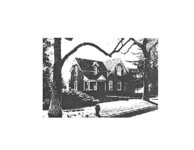
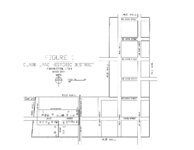
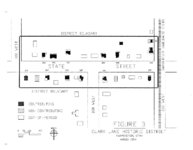
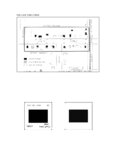
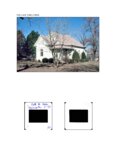
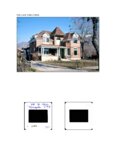
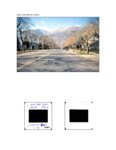
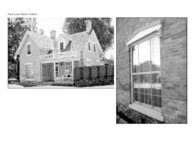
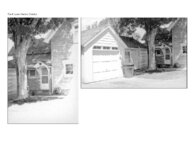
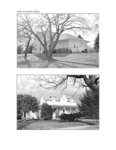
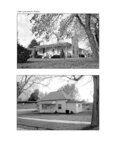
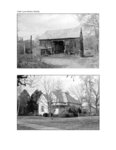
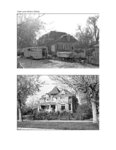
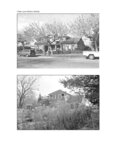
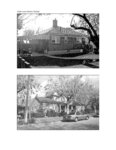
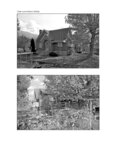
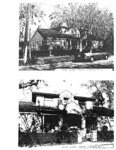
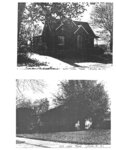
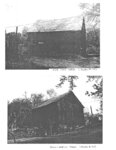
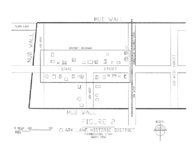
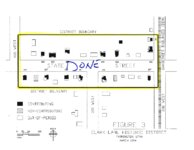
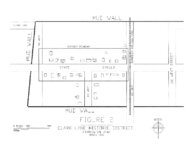
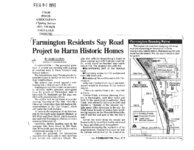
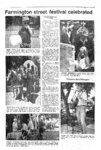
Show DEC&2H199~ ( PRESS ASSOCIATION Clipping Service Phone: (801) 328-8678 DAVIS COUNTY CLIPPE!} N-RDtt»l0~ a~~~ \-\t 0"\' \010+. l ~ 1~0;k=L.~~~';~N ~t~io n a 1'1Hi~;;'i~~=~'@ "180istrict listed on nat'l register After thousands of volu nteer hours , fund raisers, Behind th e protection of the IO-foot-high fort wall luurs, inspections, and mounds of paperwork, the th e Clark family built homes and barns. Many of them Ci;lrk Lillie Nationa l Historic District has heen ollic i:i\ - are still stan din g and several are currently occ upied hy I:' listed ill till' Natiunal Register ur Historic Pla ces. CI:lrk', descendants. The early enterprises were run by Clark Lane is the first National Hi storic District in Clark's ramily members, which included three wives D:\ \' is County. Farmington City and the Ulah Stale and 21 children, and were sanctioned by LDS Church Hiqorical Society a re pl a nning a /' Clark Lane president Brigham Young. Hi slo rical District Recogniti on Night " al 7: 15 p.m. This neighborhood has made a significant contribuWednesday, Dec. 14 at the Farmington City Hall ' to tion to Davis County and Farmington political histothank loca l homeowners. ri es. Amasa Lyman Clark (290 W. State) was The Cla rk Lane Historical District, a residential Farmington City Treasurer for 20 years and mayor of nei ghhorhood located in what was the we st wing of Farmington. Edward B. Clark, (368 W. State) was Farmington's origina l fort enclos ure, comp rises the Davis County Commissioner for four terms, Davis 1 ~1I1c1 between 200 West and 400 West and along State County Treas urer for two terms, Farmington City Street. councilman for three terms and justice of the peace for The C I<lrk Lane Historical Preservation Associati on t wo terms . Edward F. Clark (382 W. State) was was formed by local homeowners in 1992 to co mplete Farmington Treasurer, Farmington City Recorder, the research and paperwork j'equired for the nomina- Farmington City Councilman and justice of the peace til)n. This loca l group wo rk ed close ly w ith 1'01' one term each. Ezra Thompson Clark (368 W. Farmington's Historic Prese rvation Commission to Sta te) was Davis County treas urer for many years and worked ou t of an office in his home. cll lllpkte the project. All homeow ners cou ld ben efit from being a part of In this neighborho od was the boyhood hom e of a Nationa l Hi sto ric District even if their home is not on Obert Clark Tanner, founder of the O.C . Tanner the Natio nal Register. Roger Ropper with th e Utah Jewelry establishment. O.C. Tanner's grandfather State Hi stori cal Society sa id he has see n increased made a signi ficant contribution to Farmington and propnty val li es and increased owner-occupancy in hi s- Da vis Co unty commerce. Ezra Thompson Clark (368 tor ic cii strict nei gh horh oods. A hi storic district wi ll W. Slate) with other members of the Clark family, also give the neighborhood protection from state and organized the Davis County Bank and the Farmington ['cclcml construc ti on proj cc ts . Commercial and Manufacturing Company. He also 1\ historic district provides formal recognition of built a grist mill in Morgan, a flour mill and molasses the significa nt qualities of the properties and help with mill. O.c. Tanner's father made a significant contriburehabilitation costs. The 1993 Utah State Legislature ' pa sse d the Economic Inc ent ive s for Hi storic tion to Utah's education. Joseph Marion Tanner, Annie Preservation bill whi ch creates a 20 percenl tax credit Clark Tanner' s husband (291 W. State) was president for His toric Regi ster li sted buildings . Twenty percent of Brigham Young College for three years. He also of all qualified rehabilitation cost may be deducted was the first reporter of the Supreme Court decisions fmlll taxes owed on Utah in come tax. of the State of Utah . He also served four years as the A histori c d istrict may include many buildings of president of the Utah Agricultural College in Logan. recent date. but in most cases a majority of its buildO.c. Tanner's mother also made a significant coning s mu st be at least 50 yea rs old and rel ate in some tribution to Utah's literature. Annie Clark Tanner (291 \Vay to th e hi storic development of the district. A sin- W . State) wrote a biography of her father and one of gle building 01' sit e seldom can convey a sense of what her mother. She then wrote her autobiography "A a ne ighbo rh ood was like in the 1800s . Ten of the Mormon Mother," that has become a classic of homes were huilt between 1856 and 190 I. Six of th~ Mormon literature . Using her diaries she wrote while grow ing up in this neighborhood, thi s simple heartfelt home s were built between 1908 and 1940. This area is an example of the pioneer principles of story tells of her life in the second family of a polygathe United Order because it represe nts th e fa rm s and mist marriage and her later years raising her eight chilbusinesses begL:n by early settler Ezra T. Clark. The dren as th e second wife of a polygami st marriage. Unit ed Order, one o r the te nants of the early LDS Hundreds of thousands of copies of this classic have faith, encouraged families to pool their resources inlo becn published to date. Over the past two years, five individual communities. lit era ture groups from around the state have visited The Clark family's United Order began in 1870 and Annie's home and the neighborhood where she grew) \\,;\s still in practice in 1901. up . .- ~/' |