| OCR Text |
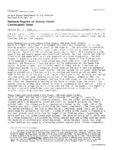
Show 137 the directorso 5 Those entrusted with the supervision of the local Order were outwardly optimistic over its possibilities. Yet they realized ver,y quickly that they did not have complete support for the new system of things. Reaction in the community was somewhat mixed. Some of the people failed to participate because they doubted that it would work, others because they claimed they didnvt understand what was required of them. In theor,yp the plan envisioned a system of complete cooperative living, where ever,yone freely worked at the task assigned to him and shared in the fruits of the total community production. There were scoffers in the community who made light of the ideal placed before them, and their joking irritated the local leaders. However p many of the Saints accepted the principle of cooperation out of loyalty to the church, whatever their feelings may have been about the system itself. It was part of their religion and participation, to them, was a partial measure of their faithfulness to the principles of the Kingdomo 6 Participation in the economic program of the Order was open to all who wished to share in its opportunities and sacrifices. Bishop Hess made it clear that "he was not going to coax any body [sic] to come in. 0 • [and said] salvation was free to all that wanted it.,,7 For nearly two months, local leaders met the challenge of 5Ibid.p· May 130 15, 1874; Teachers Minutes, May 13, 1874; "Co_op A'CC"OUnt Book," Deco J10 1874. Jacob Miller later replaced Clark as treasurer, seeD ibid., Apr. 24, 18750 6reachers Minutes, May Jo 17, 31, June 14, Nov. 22, 1874. |