| OCR Text |
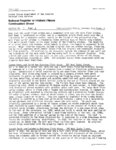
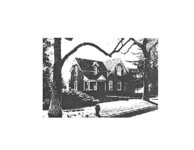
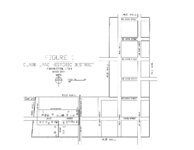
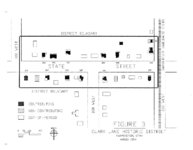
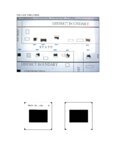
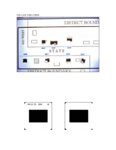
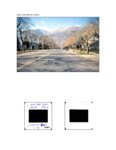
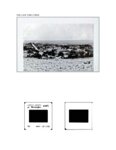
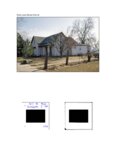
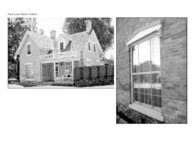
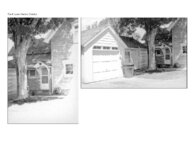
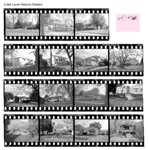
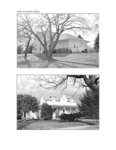
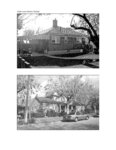
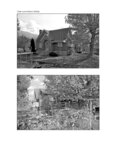
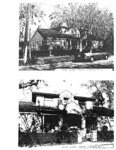
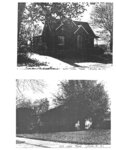
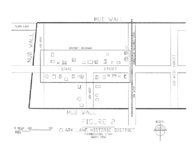
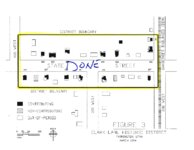
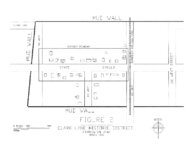
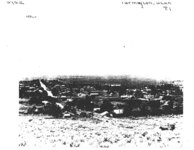
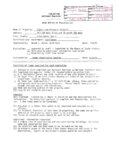
Show OMS No. 10024·0018 NPS Form 10·900·a Utah WordPerfect 5.1 Format (Revised Feb. 1993) United States Department of the Interior National Park Service National Register of Historic Places Continuation Sheet Section No. __7__ Page __1__ Cla r k Lane Histor ic Distr ict, Farmington, Dav i s Cou nt y, UT Narrative Description SUMMARY PARAGRAPH The Clark Lane Historic District is a well defined residential neighborhood located in what was the west wing of Farmington's original fort enclosure (see figures 1-3). The west wing of this enclosure was located on a knoll with steep drops in ground level on the north and west sides and a more gentle slope on the south side. The fort walls were located to take advantage of this feature. With a planned 10' high wall, views from the houses to the surrounding area would be relatively unobstructed, thereby creating a defensible arrangement for the fort. All residential development in the area immediately adjacent to the district is limited to the original fort boundaries. Initial settlement in this district was relatively sparse and all houses fronted on the principal street, currently known as State Street. The majority of development in the district was carried out over several generations of the Ezra T. Clark family. As the family grew, additional homes were added by purchasing additional land or subdividing existing lots. This fostered development of a large variety of histori~ residential architecture within a relatively small area. The district is comprised of structures ranging in age from 140 years to 20 years of age. Of the district's 26 residential structures, 16 date from the period of significance (1856-1940), 13 of which retain sufficient architectural integrity to contribute to the district. Historically, the district contained a large number of agricultural outbuildings, the majority of which have been removed. However, one good example of a barn dating to ca. 1900 remains intact and continues in its original function. The principle street of the district, which runs east and west, parallel with the crest of the knoll, comprises its central axis. It is lined with the residences of the district which are of a variety of scale, architectural style, and materials. The front setback is generally consistent throughout the district with the exception of many of the earlier homes. As the district developed, setbacks became more consistent. The strongest element of the streetscape which unites the district are the rows of trees which line each side of State Street. Historic photos show that this tradition began at an early date, probably the 1860's, and continued when the trees were removed and replanted in subsequent years. These trees terminate at the west end of the district yet continue east beyond the district into the center of town. ARCHITECTURAL TYPES, STYLES AND MATERIALS A wide range of plan types and styles are manifest in the district's diverse architectural character. Plan types and combinations thereof include hall-parlor, side passage, crosswing, central block with projecting bays, and bungaloid types. The architectural styles, which are equally numerous, include examples from the Classical, Picturesque, Victorian, Early Twentieth Century and Period Revival movements. More specifically, stylistic influences include Second Empire, Queen Anne, Eastlake, Victorian Gothic, Victorian Eclectic, Neo-classical Revival, Prairie ~ See continuation sheet |