| OCR Text |
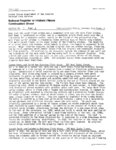
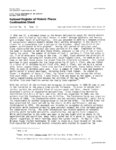
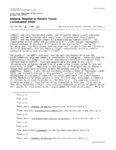
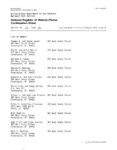
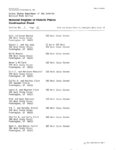
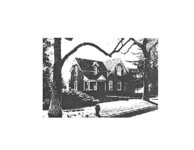
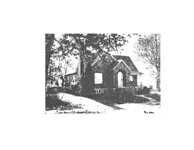
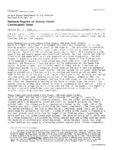
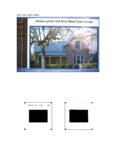
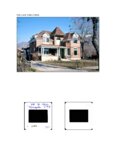
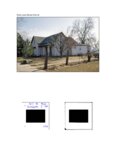
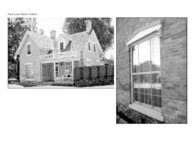
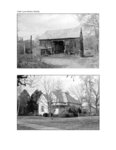
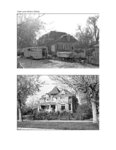
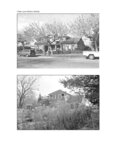
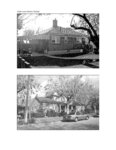
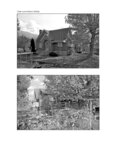
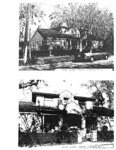
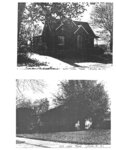
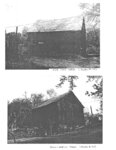
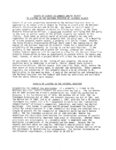
Show NPS FOl m 10 OMS No. 'K)O .• I002HJOI ~ l llt\h W OI (1."nlfttct:., I l· ulme1 (ltev1N d t- eb IfYJ31 United States Department of the Interior National Park Service National Register of Historic Places Continuation Sheet Sect ion No. 7 Page 6 Clark I aile Hl s tor, c [)iqr ict, I drmlnqton, Davis County, Ul Phase three: built ca. 1915; full length bungalow-type porch add ition; hip roof porch with balcony supported by four flared columns resting on a raised brick and concrete pedestal. Alterations: Flared columns removed from porch, replaced by decorative wrought-iron columns; removal of balcony from porch roof; addition of neo-cl assical segmental pediment at main entry; enclosed rear wood porch; transoms removed from windows on lower main facade; addition of lean-to carport on west side of the house; all original outbuildings removed. Nathan George and Esther Lauretta Ford Clark House . 268 Wes t State Street. Built in 1899, this one ana a half story brick residence provides the district's earliest example of the Victorian plan type consisting of a central block with projecting bays. Comprised of a large rectangular block, the pl an is articulated by the extension of bays on the front and sides of the house. The frontal or southern projecting bay features a gable roof and recessed, rounded corners where rock-faced brick is employed. The bay's large fixed window with transom features an elliptical brick head as do all original window openings. The majority of original windows, which are one-over-one double hung, remain in place . The main entry, which is covered by an assembly dating to ca. 1940, has been veneered with flagstone dating to ca. 1960. The remainder of the house is covered by a roof wh ich combines gables, hips, truncated hips, and hip-roof dormers. These are ornamented with a wide frieze and scroll-cut corner brackets on the west bay. The interior of the building retains a majority of original finishes including door and window casings, doors, and a decorative fireplace embellished by a ceramic tile hearth and surround. This is framed by a wood mantel supported by square wooden piers on each side. Additional alterations include the removal of a rear screen porch, addition of two rear bedrooms, and removal of some roof ornamentation, all ca. 1960. This property contains the district's most significant original outbuilding wh ich dates to ca. 1900. Resting on a random rubble stone foundation, this two-story hay barn is capped with a gable roof which is supported by a heavy timber frame which in turn is covered by vertical plank siding. The barn remains in fair cond ition and continues in its original function. Annie Clark Tanner House. 291 West State Street. Providing yet another example of evolving plan types within the district, this Victorian Eclectic brick house, which rests on a stone foundation, was built in 1901. Upon first glance, the design appears to be a crosswing ; n plan with an engaged corner tower. However, further investigation reveals the plan is composed of a two-story central block with one and a half story projecting bays. The plan could also be considered a hybrid of the two plan types, both of which are found in the district. The focal point of the house is the corner tower which provides an entry hall and an open upper floor porch. It is wrapped on two sides by a hip-roof porch which is supported by turned wood posts. As shown in historic photos, the porch originally featured Tuscan columns which match the existing columns on the upper tower. Covered by a combination gable/truncated hip roof, the brick walls are pierced by windows which are emphasized with flat sandstone arches and sills. The L See conlinuation _ . |