| OCR Text |
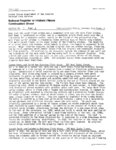
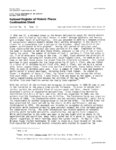
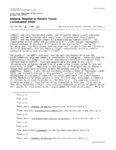
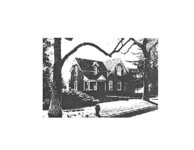
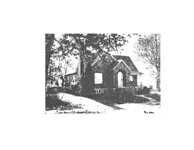
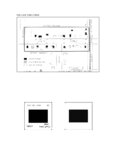
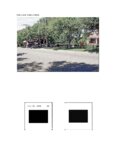
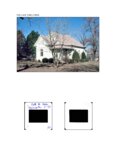
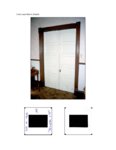
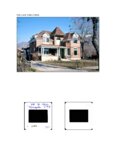
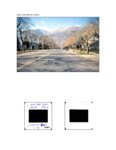
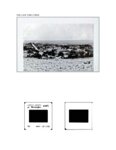
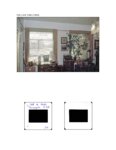
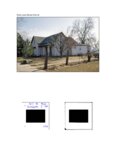
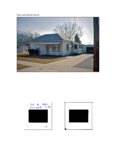
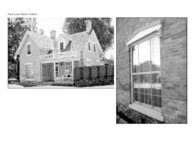
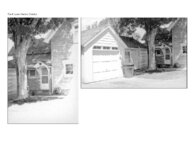
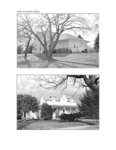
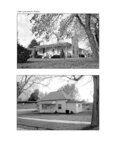
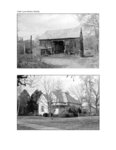
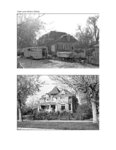
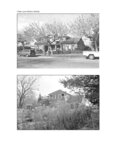
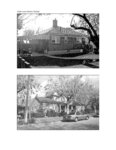
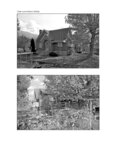
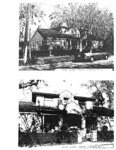
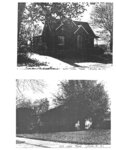
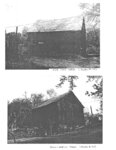
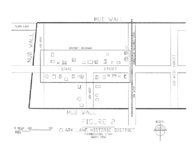
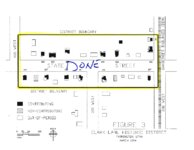
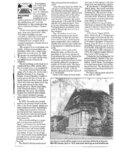
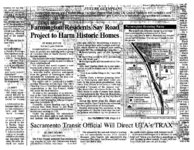
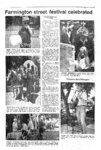
Show ton Lion's Club signed a IOO-year The rock portion was added in Farmington lease and remodeled the interior. 1875. City Corp. was • The Hector C. Haight Home, Over 70 years later (in 1948), Daorganized in 208 N. Main. The house was built vid and Leola Merrill purchased 1892. And this in 1857 by Haight, the founder of year, to celebrate the building and transformed it Farmington. The interior of the into a lovely residence. Merrill tore the centennial, house virtually has been unaltere( down the adobe part of the strucWELCOME residents of Farover the years. However, the exte· ture but kept the room with the MAT mington have enrior has been covered with alumirock facade. Originally the room joyed a number of activities. But num siding to protect the houswas a garage with a dirt floor the celebration isn't over yet. badlyweathered original adobe. ing the city's road scraper. Now, Scheduled for this weekend is the The home is listed on the National it's a very attractive living room. city's Centennial Historic Homes Register since it's one of the few The large space previously occuTour. two-story, double-cell houses in pied by the garage door is now a Of the 18 properties spotlighted, bay window. Utah. only three were built after 1900. • The Rock Chapel, 272 N. Merrill hauled stone from The oldest building was conMain. With only $12, Mormon pia nearby mountains to use in the structed in 1853-54 by LDS priestneers began constructing the chao remodeling. So that the old and hood brethren for Truman and pel in 1861 under the supervision new stone sections would appear Ortentia White Leonard, since of President Brigham Young and more compatible, Dave chiseled Leonard had been called to serve a out the lime mortar and replaced it Bishop John W. Hess. It was commission in India. pleted the following year at a cost with cement to match the modern The original two-room home was work. of $15,000. Although the building adobe. A large stone section was was enlarged in 1941 and again in Hanging on the walls of the started in 1863, but it wasn't com1979, the original chapel remains home are many of Merrill's oil pleted for several years. In 1898, intact and is still being used. paintings as well as art gathered the house was purchased by John Tickets for the Farmington Cen from around the world. Behind the W. Taylor, who replaced the origitennial Historic Homes Tour can home is his studio and gallery. , nal adobe house with a brick Home tour participants are invited be purchased in advance at the cit addition. to visit the gallery to see his new offices, 130 N. Main, Farmington, Three buildings on the tour were exhibit of recent works. The show or at individual home sites on the constructed in 1855, shortly after will continue through September. day of the tour. The $5 ticket pric the Leonard home was completed. Hours will be 10 a.m. to 8 p.m. includes refreshments and music .. One is the Charles Penrose log Monday through Saturday and 4-8 entertainment. cabin, 272 N. Main St. (in the rear). p.m. on Sunday. For more information about thf Built by friends of the Penrose tour, call 451-2383. Some of the other historic buildfamily, it was originally located directly across the street from the Rock Chapel on Main Street. But in 1924, the cabin was dismantled log by log and moved to the courthouse grounds. Three years later, LDS President Heber J . Grant dedicated the cabin. He told the people that Penrose had written "two tons of literature in song, verse and prose in his 72 years of life." In 1956, the cabin was moved again to its present location at the rear of the Rock Chapel. Inside are many historical relics, including a rocking chair owned by Penrose, an iron kettle that came across on the Mayflower and the first organ to cross the plains with the Mormon pioneers. The second building is a single cell rock barn located at 56 N. Main. Constructed by David Randall Williams , it served for many years as a barn and livery stabl~ . Later it was renovated into a private home. Today, it's an art gallery. Tool marks from earlier days re still visible on the rustic old beams atop what was once the Ivy covers much of the rock on the exterior of David and Leola hayloft. Merrill's home, built in 1855 and once serving as a schoolhouse. ! The third building constructed , e =-- .__._----_.. ._- - - - - -- - -- - - - -- - -- - - |