| OCR Text |
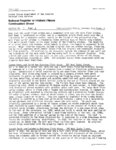
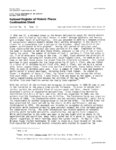
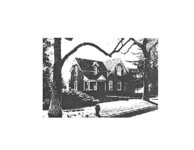
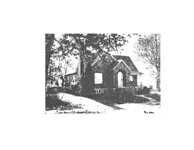
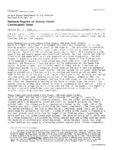
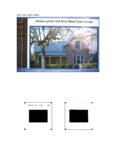
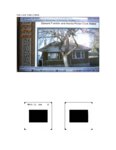
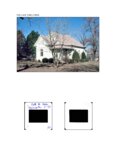
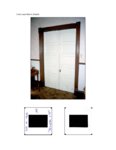
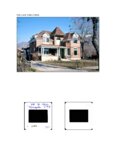
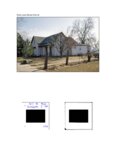
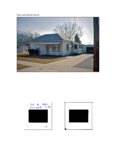
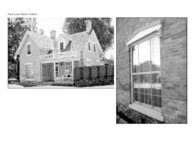
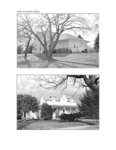
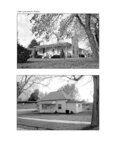
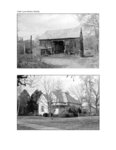
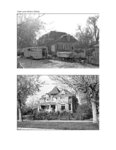
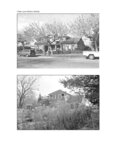
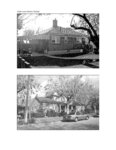
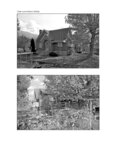
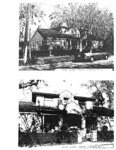
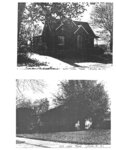
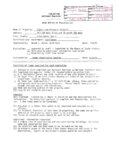
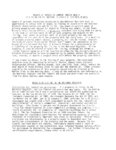
Show OMB No. 10024-0018 NPS Form 10·900-a lI1ah WordPertecl5.1 Format (Revised Feb. t9931 United States Department of the Interior National Park Service National Register of Historic Places Continuation Sheet Sect i on No. 7 Page 5 Clark Lane Historic District, Farmington, Davis County, UT wings which form the main entry to the house. Capped by a steeply pitched pyramidal hip roof, the tower formed the centerpiece of a richly elaborated silhouette created by the tower, ornate dormers, and a tall decorative brick chimney. The tower was elaborated by an arched opening which opened onto an upper floor porch with a turned wood balustrade. The original main hip roof, which was punctuated by a continuous decorative sheet metal ridge cap, was pierced by two gable dormers on the main facade and two hip dormers on each side elevation. The dormers were embellished with carved inset panels, dentiled cornices, and scroll-cut brackets. The roof was detailed with a wide frieze and spindled corner brackets at the canted corners of the projecting wing. The original hip roof porch was supported by full height Tuscan columns. The exterior brick walls, which rest on a stone foundation, were pierced by one-over-one double-hung windows, paired in several locations, and by a fixed window with a leaded and stained glass transom in the main floor parlor. The window openings are articulated by segmental arched heads formed by soldier courses and projecting header courses. In 1919, the original upper floor and roof were destroyed by fire. The tower was removed and the roof was rebuilt with a bungalowstyle hip roof which excluded the dormers. In 1979, a restoration was undertaken whereby the 1917 roof was removed and replaced by the current construction which was based on historic photographs. The tower, porch, roof, and dormers were rebuilt to reflect the original massing, and original detailing. Departures from the original design include the removal of the upper floor porch at the tower, placement of a window in the tower's upper floor arch, changes in the types of windows placed in upper floor openings, and the inclusion of polygonal windows and exclusion of corner brackets at the canted corners of the projecting wing. Also, the porch has been rebuilt with a raised solid railing and shortened Tuscan columns and the decorative brick chimney was not rebuilt. Even though the original design has not been reproduced in every detail, the general massing and reconstruction of major architectural elements have been reproduced in such a way as to contribute to the historic character of the district. Other alterations include a series of brick and wood frame extensions at the rear of the house. Significant interior features include original 1895 woodwork as well as molding and doors as \Nell as molding .and doors in the entry hall which date to the 1917 reconstruction. No original outbuildings remain on site. John Leavitt I Timothy Baldwin and Lucy A. Rice Clark House. 208 West State Street. Description Summary: Built in three major phases; phase one: built ca. 1873 by John Leavitt; one story hall-parlor house; adobe walls, stucco finish, stone foundation, wood frame roof; original style and plan altered in subsequent years; interior window woodwork intact. Phase two: built in 1895 by Timothy B. Clark; added two story brick central passage wing; Victorian Eclectic design with a hip roof; first phase remodeled and integrated into new construction; symmetrical facade with central bay with steep Victorian Gothic gable roof; flanked by hip roof dormers; large gable dormer on east and west sides; two-over-two double hung windows common; large windows with transoms on lower main facade; rear brick addition and porch. L See oontinuation sheet |