| OCR Text |
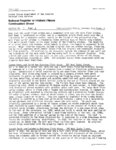
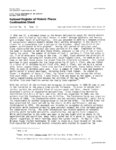
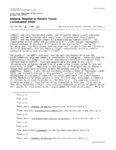
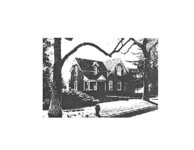
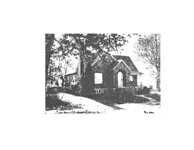
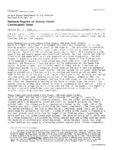
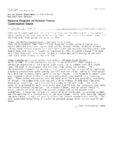
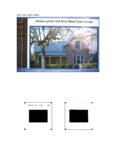
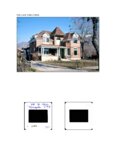
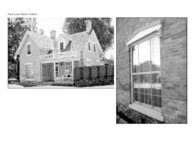
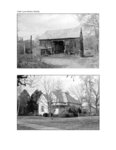
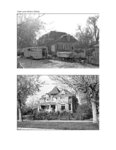
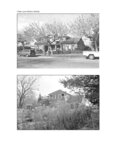
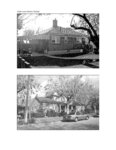
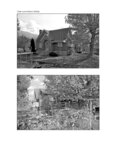
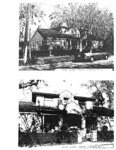
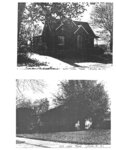
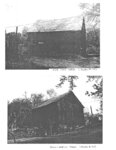
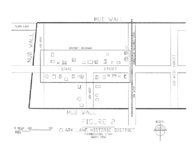
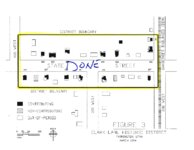
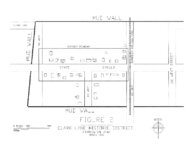
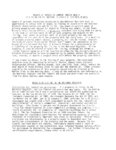
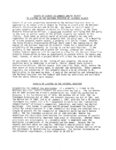
Show OMB No. l0024'()()1a NPS Form 10-900-a Utah WordPertect 5.1 Format (Revised Feb. 1993) United States Department of the Interior National Park Service National Register of Historic Places Continuation Sheet Section No. ~ Page ~ Clark Lane Historic District, Farmington, Davis County, UT contemporary elements. The structure that was most affected by this movement was the original home of Ezra T. and Mary S. Clark, located at 368 ~est State, which was currently occupied by Edward B. Clark, Vice President of the Commercial Club. Joining with other residents and businessmen, Edward Clark set about to lIupdate his home in accordance with the ideals established by the Commercia 1 Club. Both the interior and exterior of the house was updated in 1914, employi~g the Mission Revival style, a Period Revival ~tyle which was popular at the -time. These homes are therefore significant for their association with this perio~ of economic development and civic promotional ism which contributed in large measure to the growth and prosperity of Farmington City during and beyond the first two decades of the twentieth century. ll One family that resided within the district, not related to the Clarks, was that of Isaac Sears. In 1907, Sears, a polygamist, purchased the Timot hy B. and Lucy A. Clark house at 208 West State Street where--he resided with his first wife, Sarah he built a home for Jane. In that same year, Sears acquired an adjacent lot where his second wife, Lovisa Eldora, located at 33 North 200 West 45 • Sears owned and operated a salt factory in conjunction with MacKegg and James Mellus. Their operation, which shipped to markets in the eastern and western U.S., utilized evaporation ponds near the Great Salt Lake 46 • Development of the district continued as new homes were built by grandchildren of Ezra Clark, adjacent to existing first and second generation homes. This accounts for the unique variety of architecture found within the district. The majority of Clark family homes continue to be inhabited by third and fourth generation Clark families, among others, who recognize the richness of the legacy left by several generations of the Clark family. The district is locally significant because the buildings in the district reflect the way in which Farmington was developed architecturally. Th~ residences and barn within this district provide good examples of a wide range of styles and plans popular in Utah between 1856 and 1940. The buildings range in style and plan that show the evolution of architecture in this area. There is the two-story hall-parlor (7) plan of 1856 that was later altered to include the Mission Revival style in its front facade. Several Victorian eclectic style homes remain w; thin the district. Bungalows and Period Revival cottages show the later developmerlt of the area. See continuation sheet 45Title Abstracts, Davis County Courthouse, Farmington, Utah. 46Hess, Margaret Steed, My Farmington (Salt Lake City: Moench Letter Service, 1~76) p. 343. |