| OCR Text |
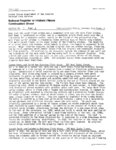
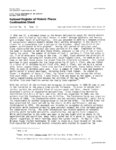
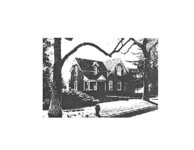
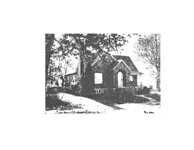
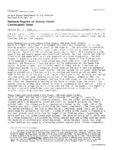
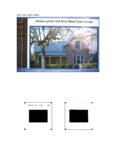
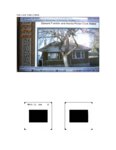
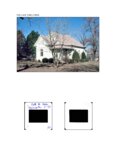
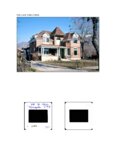
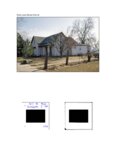
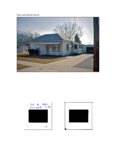
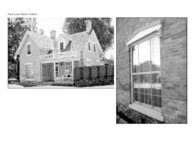
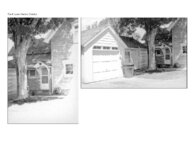
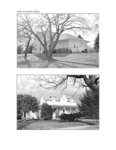
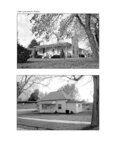
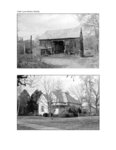
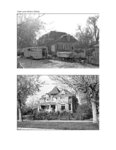
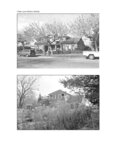
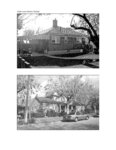
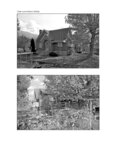
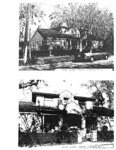
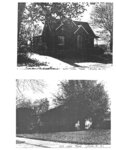
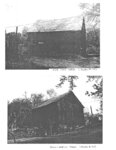
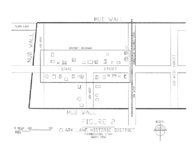
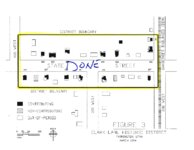
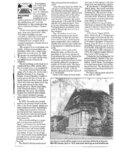
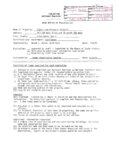
Show Ni' !; form 10000" \Jl"h WOl d l 'el teC1~ 1 J o rmat C1w."t.ed ".b. ( nAB N o 1 ()(J;"> 4 00 l l. llH)J) United States Department of the Interior National Park Service National Register of Historic Places Continuation Sheet Sec tion No. 7 Page g rJ <1r~ I J ile III ~ t()rl ( D I s trI c t . I drnllng t OIl. [) it VI '> County. Ul addition of storm sash over the existing windows and the add itiorl of a lightweight patio awning at the rear east corner of the hou se . The s it e 's only outbuilding is a detached wood frame garage dating to ca . 1950. Thomas and Martha Sanders Hous e . 207 Wes t Sta te Street. Description summary: One story hip-roof bungaiow; raised concrete foundation; outset shed-roof porch with sq uar e wood co lumns on main facade; asbestos shingle siding; large picture windows with hori zo ntal panes and two-over-two horizontal pane double hung sash typical; foundation completed in 1925, occupied through 1940 when main floor completed; alterations include a lightweight porch awning on the east side and a brick chimney on the west s ide. Orson Richards and Lucile Barlow Clark House. 399 West State Street. Built in 1940, this Period Revival cottage is the district's lone example of a vernacular expression of the English Tudor style. As is common with this house type, the plan is rectangular with the short side facing the street. The characteristic asymmetrical massing of this type of cottage is created by employing a steeply pitched main gable running parallel with the street, vvhich is intersected by a main and secondary entry gable 8n the main facade. This example is embellished with concentric brick arches at the main entry which step inward to a round-top door. These arches are carried into the interior of the house providing continuity of design. The composition also features a brick chimney on the east side with decorative corbelling, and a hip-roof bay window on the west side. The brick exterior is accented by multi-color brick panels which wrap the structure just above the raised concrete foundation. The original windows, most of vvhich remain in place, consist of large wood frame picture windows and paired dc>uble hung assemblies. Alterations include the installation of storm sash to existing windows and the addition of a covered entry on the main facade. While this covering impacts the main facade, it does not greatly obscure the overall asymmetrical massing. The only associated outbuilding is a matching detached garage built to the rear of the house. See continuation sheet |