| OCR Text |
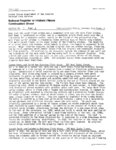
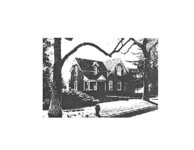
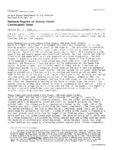
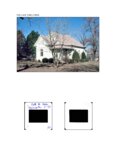
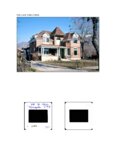
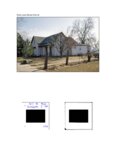
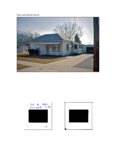
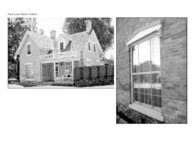
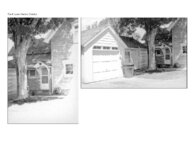
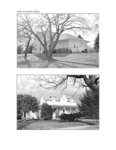
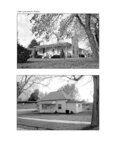
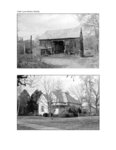
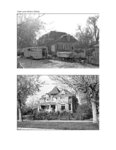
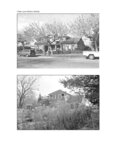
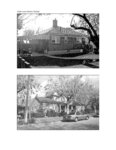
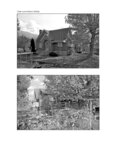
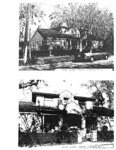
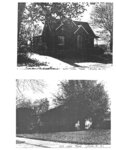
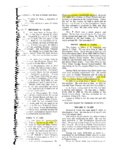
Show OMB No. 10024-0018 NPS Form 10·900·8 Ulah WordPerlect 5. 1 Format (Revised Feb. 1993) United States Department of the Interior National Park Service National Register of Historic Places Continuation Sheet Sect i on No. 7 Page 4 Clark Lane Historic District, Farmington, Davis County, UT head over the upper floor window and a segmental arch over the main floor window. Each head is terminated on either end by a sandstone plinth block which provides a transition for a dogtooth soldier course on the facade of the projecting wing. The main floor parlor window is created by three vertical bays of double hung windows with multi-paned lights in the upper sashes of the f lanking windows. The majority of original doors and windows, which remain in place, are capped by segmental brick arches. Major interior features include original door and window casings, flooring, and built-in cabinets which remain intact from the original and subsequent historic building projects. Alterations to the structure include the removal of one wall and the relocation of the main stair from the entry hall to an adjacent location. Also, a brick and stone addition was built on the rear, northwest corner of the house. These alterations occurred ca. 1970. All original outbuildings associated with the property have been demolished. Eugene Henry and Sarah Ann Sessions Clark House. 307 West State Street. Built in 1895 on a corner lot, this one and a half story Victorian Eclectic design is composed of a rich variety of elements from a number of Victorian architectural styles. Constructed of brick exterior walls and wood frame interior floor and roof structures, this cross-wing house is covered by a steeply pitched roof which terminates in gables on both the projecting and flanking wings. Reminiscent of Eastlake detailing, carved panels and spindles embellish each gable which was originally accented in the Gothic Revival style by the use of finials placed at the apex of the gables and the lone dormer. The finials have since been removed. The projecting wing , which is canted at 45 degree angles at each corner, is highlighted with decorative corner brackets with spindles above each cant. The large main floor parlor window, which is fixed with a leaded and stained-glass transom, is capped by an elliptical arch accented by alternating soldiers and a protruding header course. All other original windows, most of which remain in place, are one-over-one double hung, placed singly or in pairs. They are capped by segmental brick window heads. The entry is covered by a shed roof porch which features a gable with a decorative carved pediment and scroll-cut brackets above the main entry. The porch was . originally punctuated by a series of Tuscan columns on raised pedestals which have been replaced by square wood columns. In addition to the removal of finials and original porch columns, alterations include the addition of a one-story brick wing to the rear of the structure, ca. 1900, which was built to match the main portion of the house. Other alterations include a wood frame addition to the rear, ca. 1960, and the 1980 addition of a two-car garage to the side of the house. Its roof is connected directly to the house structure but is separated by a wide breezeway which leaves the original massing identifiable. In 1960, the interior of the house was remodeled, at which time the tall main floor ceilings were lowered. No original outbuildings associated with the property remain ·on site. Joseph Smith and Lucymaria Robinson Clark House. 340 West State Street. Built in 1895, the design of this one and a half story brick crosswing house, which has been influenced by the Queen Anne style, is the most elaborate of the district. Among the elements used to further enrich the Victorian design found on adjacent residences is an engaged corner tower at the junction of the projecting and flanking L See continuation sheet |