| OCR Text |
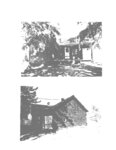
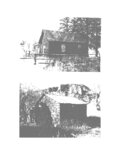
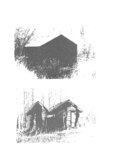
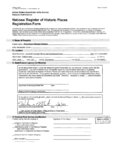
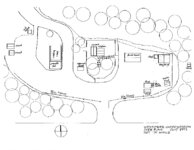
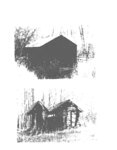
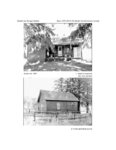
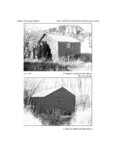
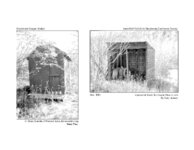
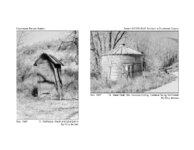
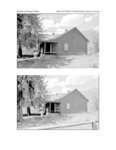
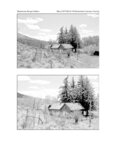
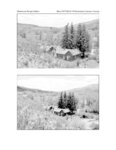
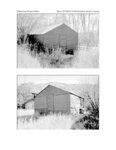
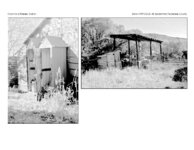
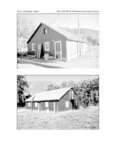
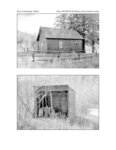
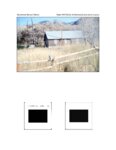
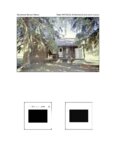
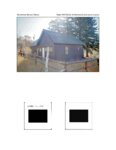
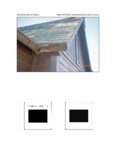
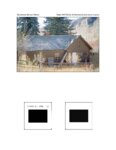
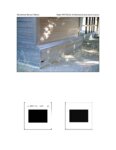
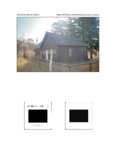
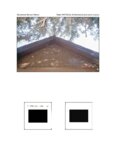
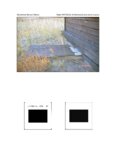
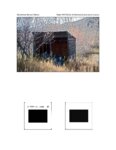
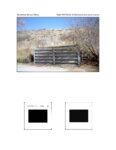
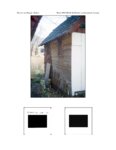
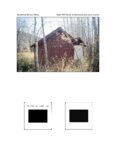
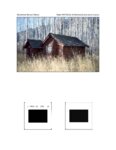
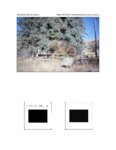
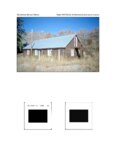
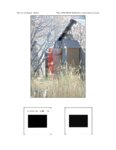
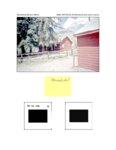
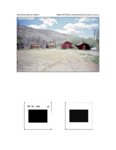
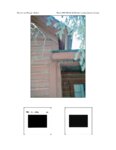
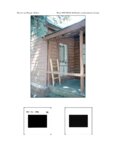
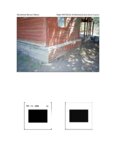
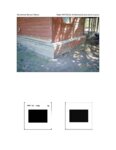
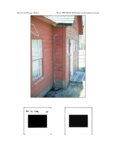
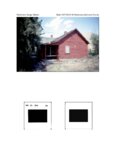
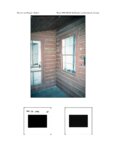
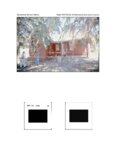
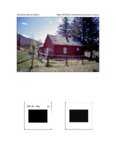
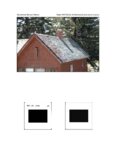
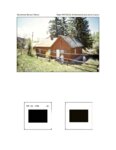
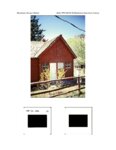
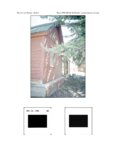
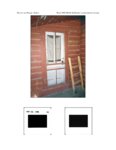
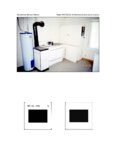
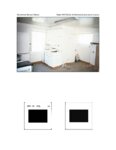
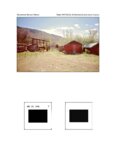
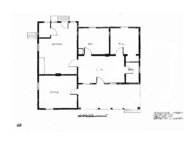
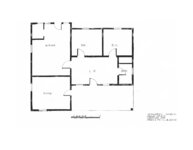
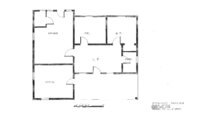
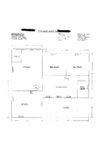
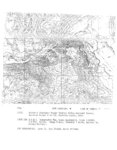
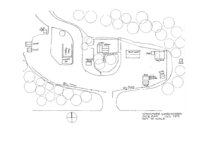
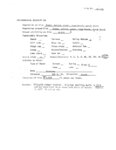
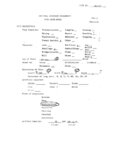
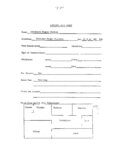
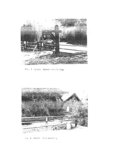
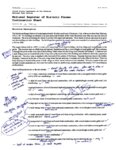
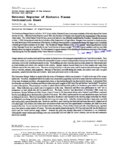
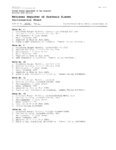
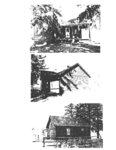
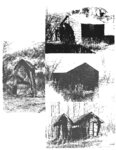
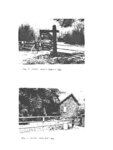
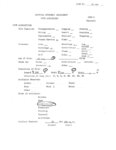
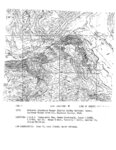
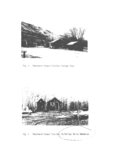
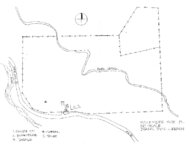
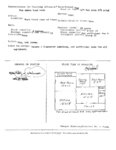
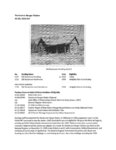
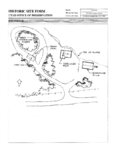
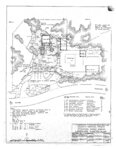
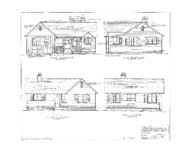
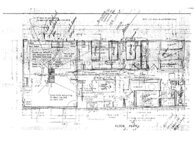
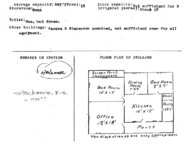
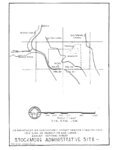
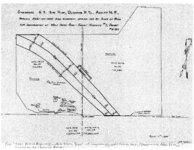
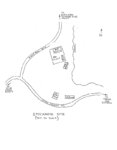
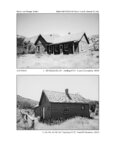
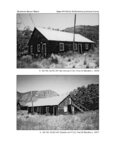
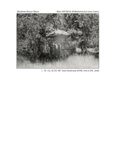
Show Bunkhouse, were determined to be non-contributing resources, likely due to their dates of construction after the period of significance (191~1940s). Determination of Eligibility Recent fieldwork and extensive research conducted for this project has led to a better understanding of the Stockmore Ranger Station's historic significance. The station, as headquarters of the Hanna and Grandaddy Lakes ranger districts from ca, 1914 to ca. 1954, played an important role in the management of public lands. The site as a whole is not eligible for listing on the National Register due.to a loss of integrity. Most buildings, structures, and landscape features from its period of Significance are gone. As the only remaining structure from that era, the Stockmore Dwelling js indiVidually eligible for the National Register. It is important under Criterion A for its association with Forest Servke management of p_ublic lands during the early 20th century. It is also significant under Criterion Cas one of few remaining examples of Forest Service construction and design before the New Deal era. Areas of signmcanceare Conservation and Archite_ cture. The period of significance is ca. 1914 to ca. 1954. The Bunkhouse represents a secondary period during which the Ashley NF used the site asalfbug camp" during insect control efforts. All other features related to this initiative are gone. Alone, the Bunkhouse does not .adequately demonstrate this historic association nor does it embody distinctive characteristics, represent the work of a master, or possess high artistic values. It is-not eligible. The Seed Storehouse is not eligible because it is. not 50 years old and was erected after the period of significance. The National Register Nomination identified five contributing resources with the assumption that they dated to the 1930s and we_re original to the site. Additional research provides clarification on those five structures, all of which have been removed: 1. "Garage/Storeroom" was Storage Shed #4 (#4004), a 1958 tent frame that was later boarded in to serve as a sto.~ge shed. It should have been a non-contributing feature because it had minimal integrity and was built after the period of Significance. 2. "Shed" was Storage Shed #1 (#4001), a 1958 tent frame that wa-s later boarded in to serve a"s a storage shed. It should have been a non-contributing feature because it had minimal integrity and was built after the period of significance. 3. "Storage Shed" was Storage Shed #6 (#4009). It should have been a non-contributing resource because the ca. 1938 toilet was relocated from the Avintaquin Campground to the Stockmore Ranger Station in 1980, which was after the period of significance. Additionally, the move from a rec_ reation site to an administrative compound compromised its integrity, as did its conversion to a storage facility, 4. "Small Storage Shed" was Storage Shed #7 (#4010). It should have been a non-contributing resource because the ca. 1938 toilet was relocated from the Avintaquin Campground to the Stockmore Ranger Station in 1980, which was after the period of significance. Additionally, the move from a recreation site to an administrative compound compromised its integrity, as did its conversion to a storage facility. 5. "Outhouse" was Pit Toilet (#3099). The ~. 1935 structure would have been a contributing resource, assuming It was placed on site during the period of significance. Recommendation Amend the National Register Nomination to update the history, period of significance, and the description of existing features. Identify the Stockmore Dwelling as the only significant feature, Remove "Politics/Government" as 'an area ofsignificance. |