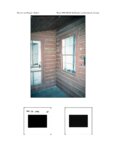
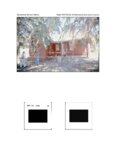
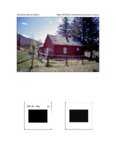
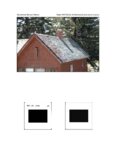
| OCR Text |
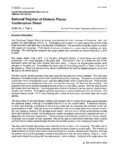
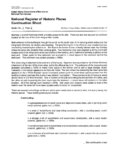
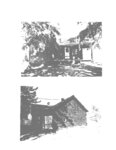
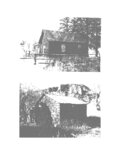
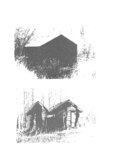
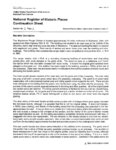
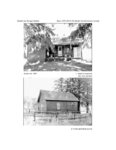
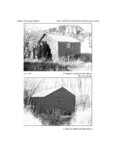
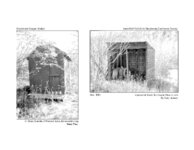
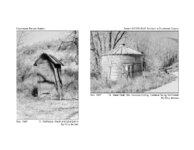
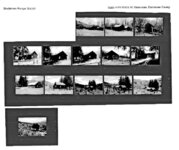
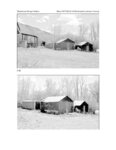
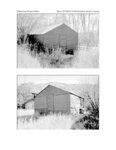
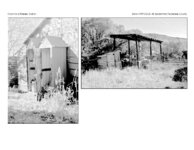
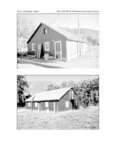
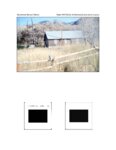
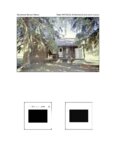
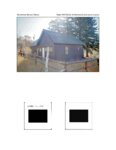
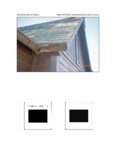
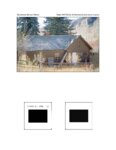
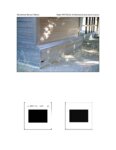
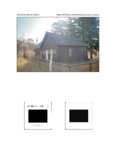
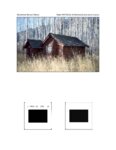
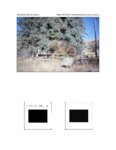
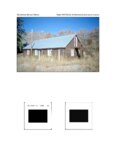
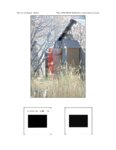
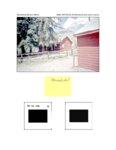
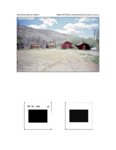
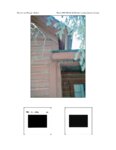
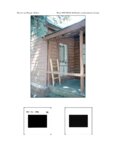
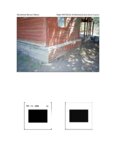
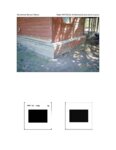
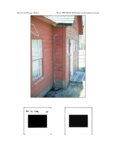
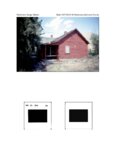
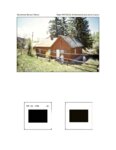
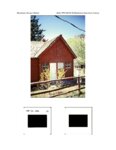
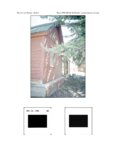
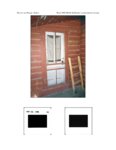
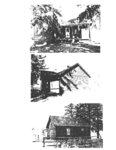
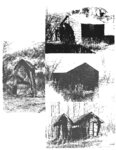
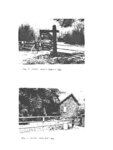
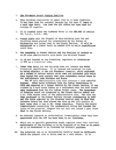
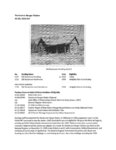
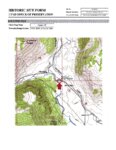
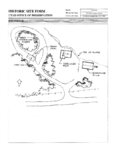
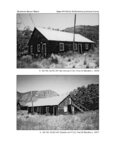
Show NPS Form. 10- 900- . Uta h Wo r dPerfect 5.1 Focmat:. (Revi " ed Feb . 1993) 0H8 No . 10024-0018 United States Department of the Interior National Park Service National Register of Historic Places Continuation Sheet Section No. __8__ Page __1__ Stockmore Ranger Station, Tabiona, Duchesne County, UT Narrative Statement of Significance The Stockmore Ranger Station, built in c.19141 in the Ashley National Forest, is an extant reminder ofthe early days of the Forest Service in Utah. After the Forest Reserve Act of 1891, the Division of Forestry was fonned for the management of the land and timber sales. The United States Forest Service, as we now know it, was officially established by President Theodore Roosevelt on July 1, 1905, being placed under the jurisdiction of the Department of Agriculture. Rangers were required to closely monitor the land, but because of the remoteness of the foreSts, builqings were acquired or coIlS e the riUlgers and to establish remaining structpres on the a federal government presence on the land. The Stockmore Ranger Station· one of the ear . Ashley National Forest built specifically by the Forest Service to house a rang. IS s m good condition and has seen little alteration from its original conception. For this reason it is a good example of the facilities which these overseers of the forestsA" X7 r lived during the first few decades of the Forest Service's existence. '-"tltoI ~y ~ ~ ()fI'fI'/ /VVV"" Ranger stations were used as work and living centers for forest crews who managed and presiqed over Forest Service lands. They were built mainly as a convenience before the automobile became common transportation because the Forest Service lands and work ar~ were so far from the personnel's homes. The buildings and sites were also used as social centers for other people such as sheep herders and miners who worked in the vicinity. Ranger stations housed from two to four people who came from different parts of the state and country. The other existing buildings on the sites were used for maintenance and storage of Forest Service vehicles, animals, and equipment. Because of the heavy snowfall during the winter, the stations were only occupied seasonally, usually between May and October, until snow prevented travel on the roads. The Stockmote Ranger Station is named after the town of Stockmore which was situated a 114 mile to the east of the ranger station site. The town, abandnned before the station was constructed, supposedly received its name from the combined surnames of two men, Stockman and More, who perpetrated a hoax on the premise that gold was discovered in the area. A prospector from the Klondike was hired by Stockman and More to take some gold nuggets to Salt Lake City and let them "accidentally" be noticed by men in the saloons. The prospector was then to admit that he had found the gold in the Stockmore area (which he really had not). What followed was a small rush of prospectors to the area. Stockman and More were ~repared to "sell" lots to prospectors on land which they did not actually own. The hoax, however, was discovered in November 1906, when two prospectors, George Wilcken and John Toops, went to Vernal to file homestead claims and a Federal Land Officer overheard the two men talking about the tremendous growth of the town. The officer questioned the two and checked his maps, but found no listing of the town. The two homesteaders returned to Stockmore and reported to the election judges (elections for Mayor and Marshall were being held that day) that the town was not a legal town. After the elections that day a large party was held and word quickly spread about the ruse. Stocknian and More, upon learning that their plot had been discovered, slipped out of town that night. One of them (the history does not mention which one) was later apprehended in Montana, the other was never heard of after that. At one time the town boasted a blacksmith shop, a livery stable, a hotel and cafe, a boarding house, a general store, four saloons, and a number of houses. The town was quickly abandoned, and by 1915 the only trace left was the Stockmore school and the Forest Service ranger station.2 Whether any gold was actually discovered in Stockmore is not mentioned. Although the ranger station and buildings were not constructed until well after the town's demise, they are the only reminders that it ever existed. ~ NPS Form 1 0-900-a Utah WordPerfec t 5.1 Format (Revised Feb . 1993) See continuation sheet OHB No. 10024-0018 'A Site Inventory Sheet for the Duchesne District of the Ashley National Forest dated 1/25/77, provides a 1914 construction date, while an undated evaluation sheet of the site written by Alma Joel Frandsen, the District Forest Ranger, lists a 1918 construction date. ' Elden R. Wilcken, col. "Historic Place Names, Ashley National Forest." Memo to D.C. Rowland, Branch Chief. Forest History: High Uintas Primitive Area VIS plan, 1960 . From info~tion obatined from George H. Wilcken, an early pioneer and homesteader in the area. |