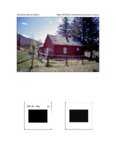
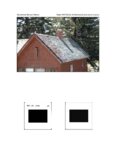
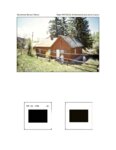
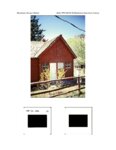
| OCR Text |
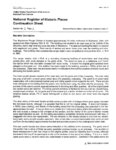
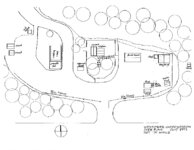
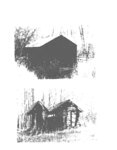
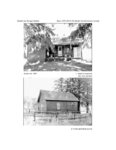
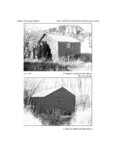
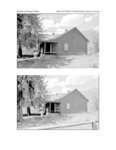
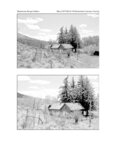
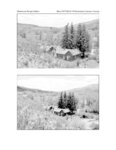
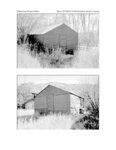
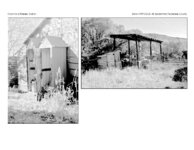
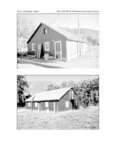
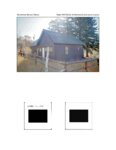
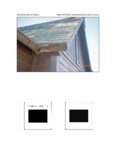
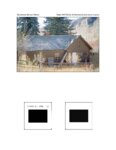
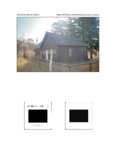
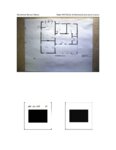
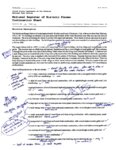
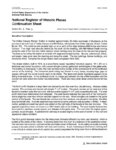
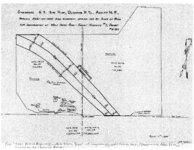
Show NPS Form 1O-900 -a OMB No. 10024-0018 Utah WordPerfect 5.1 Fonnal (Revised Feb. 1993) United States Department of the Interior National Park Service National Register of Historic Places Continuation Sheet Section No. JL Page...4.. Indian Canyon Ranger Station, Duchesne area, Duchesne County, UT appears to be from the 1940s.4 The same memorandum suggested that the barn be moved to a different location on the site or be screened from view by trees or shrubs, but a map from 1924 shows the barn in its current location and there are no traces of tress or shrubs remaining, so apparently this suggestion was probably never carried out. In 1936 proposals were made to upgrade the site and construct a new dwelling (Forest Service R-4, Plan #53) with a basement, and a woodshed (R-4, Plan #66), but these never came to fruition. The main reason no changes were made was probably due to the difficulty in obtaining an adequate supply of water to the site which would have been required with the larger building and increased crew size. In spite of not receiving the recommended upgrades, the Indian Canyon Ranger Station was in continual use six months out of the year as the summer headquarters for the ranger until 1950. After this time it was apparently used as a guard station for seasonal use of forest service crews until the early 1970s. Ranger and guard stations were used as work and living centers for forest crews who managed and presided over Forest Service lands. They were built mainly as a convenience before the automobile became common transportation because the Forest Service lands and work areas were so far from the personnel's homes. The buildings and sites were also used as social centers for other people such as sheep herders and miners who worked in the vicinity. By approximately the 1950s, a majority of the ranger stations were being located in urban settings for convenience as the Forest Service went to a more centralized administrative plan, although some of the ranger and guard stations were, and still are used for seasonal management of the forests. Forest Service administrative sites fell into two categories, ranger stations and guard stations, although the application of the terms has blurred somewhat over the years. Basically, ranger stations were larger than guard stations5 and were used as a year-'round base for the Ranger, his staff, and oftentimes his family. Buildings on a ranger station site might include a dwelling, an office (these two might be combined in the same building as in this case), a warehouse, and other buildings used for maintenance and storage of animals and vehicles. The large ranger complexes demonstrated administrative complexity and implied permanence on the site. Guard stations, on the other hand, housed from two to four crew members who came from various parts of the state and country, and were placed in remote areas of the forest where the crews worked during the summer. Since they were used for just a portion of the year, guard station sites met basic requirements, usually only consisting of a bunk house, garage or barn, and perhaps a storage shed. Because of the heavy snowfall during the winter, the guard stations, and some ranger 5Although in some cases a guard station on one forest could be larger than a ranger station on neighboring forest. According to Charmaine Thompson, Uinta Forest Archaeologist, one document listed the area of a "ranger house" to be 1200 sq. ft., while the area of a guard station was to be approximately 900 sq. ft. X See continuation sheet |