| OCR Text |
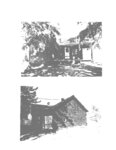
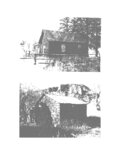
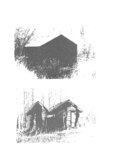
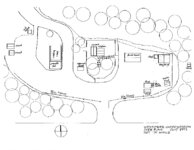
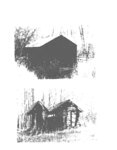
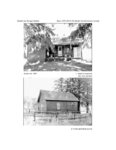
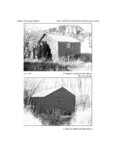
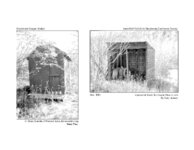
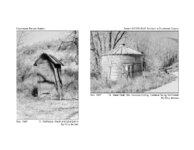
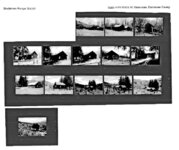
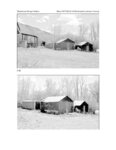
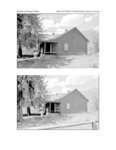
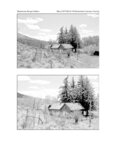
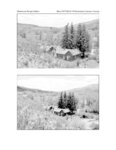
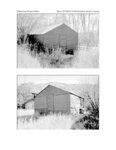
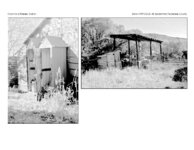
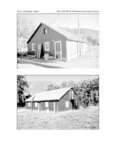
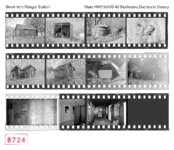
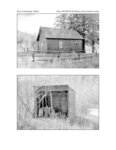
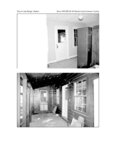
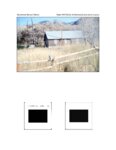
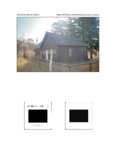
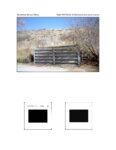
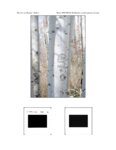
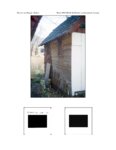
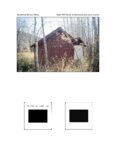
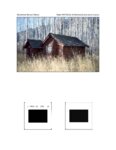
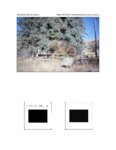
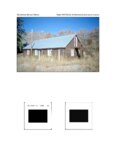
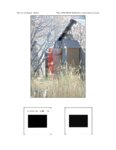
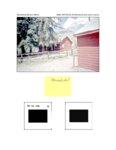
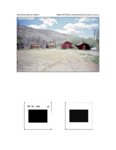
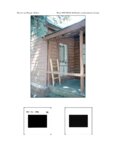
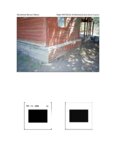
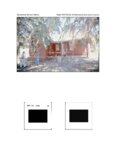
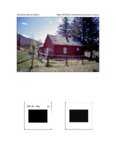
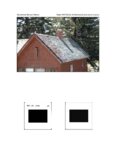
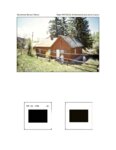
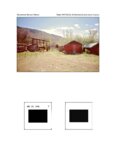
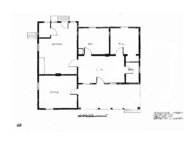
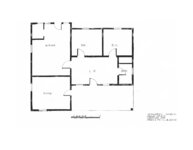
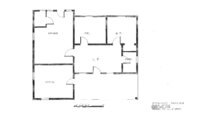
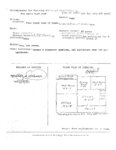
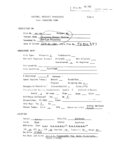
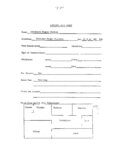
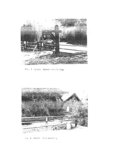
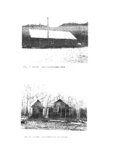
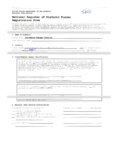
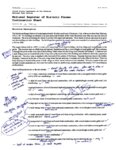
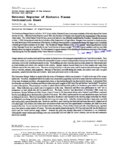
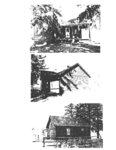
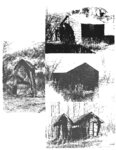
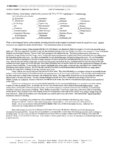
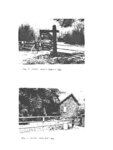
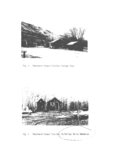
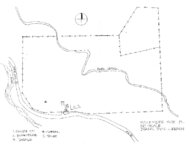
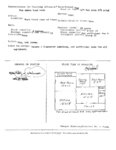
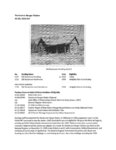
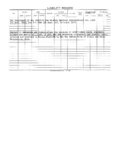
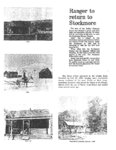
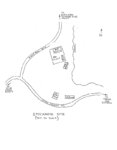
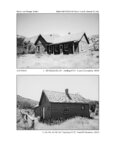
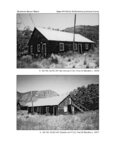
Show :S::jjj$.T.o:ii:Y.:::::::::::::::::::::::::::::::::::::::::::::::::::::::::::::::::::::::::::::::::::::::::::::: :::::::::::::::::::::::::::::::::::::::~:::::::::::::::::::::::::::::: ArchitectlBuilder: UnknownlForest Service Date of Construction: c.1914 Historic Themes: Mark themes related to this property with "S" or "c" (S = significant, C = contributing). (see instructions for details) ~Agriculture Economics _Industry Politics/ .£. Architecture Education Invention Government _ Engineering _Archeology _Landscape _Religion Entertainment! Art Architecture Science Recreation Commerce Law ~ Social History _ Ethnic Heritage Communications Literature _ Transportation _ Exploration! _ Community Planning _ Maritime History Other Settlement & Development _Military _ Performing Arts H ealthlMedicine ~ Conservation Write a chronological history of the property, focusing primarily on the original or principal owners & significant events. Explain and justify any significant themes marked above. Use continuation sheets as necessary. The Stockmore Ranger Station is named after the town of Stockmore, now abandoned, which was situated a 1/4 mile to the east of the ranger station site. This town supposedly received its name from the combined surnames of two men, Stockman and More, who perpetrated a hoax on the premis that gold was discovered in the area. The two "sold" lots to prospectors who settled in the area. The hoax was discovered in 1906 when two prospectors, George Wilcken and John Toops, went to Vernal to file homestead claims and a Federal Land Officer overheard the two men talking about the tremendous growth of the town. The officer questioned the two and checked his maps, but found no listing ofthe town. The two homesteaders returned to Stockmore and reported to the election judges (elections for Mayor and Marshall were being held that day) that the town was not a legal town. After the elections that day a large party was held, and word quickly spread about the ruse. Stockman and More, upon learning that their plot had been discovered, slipped out of town that night. One of them (the history does not mention which one) was later apprehended in Montana, the other was never heard of after that. At one time the town boasted a blacksmith shop, a livery stable, a hotel and cafe, a boarding house, a general store, four saloons, and a number of houses. By 1915 the only trace left of the town was the Stockmore school and the Forest Service ranger station" Presently, the ranger station buildings are the only reminders ofthir town. Ranger stations were used as work and living centers for forest crews. They were built mainly as a convenience before the automobile became common transportation because the Forest Service lands and work areas were so far from the personnel's homes. They were also used as social centers for other people such as sheep herders and miners who worked in the vicinity. The ranger stations housed from two to four people who came from different parts of the state and country. The other existing buildings on the site were used for maintenance and storage of Forest Service vehicles, animals, and equipment. Because of the heavy snowfall during the winter, they were only occupied seasonally until snow prevented travel on the roads. Forest Service buildings have not been systematically researched, nor does any consistent typology exist, mainly because of the variation in types and styles up until the 1930s. At this time, the National Forest Service adopted official plans for nationwide implementation. Using various means, including the Civilian Conservation Corps, Forest Service employees, and private contractors and individuals, the Forest Service was able to construct a large amount of buildings. These buildings are generally of wood-frame construction, with various styles of wood siding. Several different styles of guard stations were designed, along with accompanying outbuildings which included barns, garages, storage sheds, and large warehouses. Although the interiors were rather Spartan, they could be quite homey and colorful. One Forest Service " Improvement Plan" describes the interior of a dwelling: "Interior: Living-dining room and bedroom walls all finished with two coats calcimine in the following colors: Living, dining room, light tan. Bedroom walls peach, ceiling cream, bedroom light tan. Floors and wood work, cherry stain and varnish. Bath room and kitchen walls and woodwork finished with 3 coats of Nile Green enamel, two tone. Bathroom floor cherry stain and varnish, kitchen floor linoleum." Many of the historic Forest Service buildings are still in use and have seen little alteration, although non-historic alterations are becoming an increasing problem. Because their use as residences is not specifically required, some of the buildings are being used for storage, or are sitting vacant. In order to decrease the cost of maintenance, the Forest Service is opting to destroy some ofthe buildings, cover them with aluminum siding, or renovate them for other uses. As the number of historic guard stations decreases, the importance of understanding their place in history increases. ' Elden R. Wilcken. col. "Historic Place Names. Ashley National Forest ." Memo to D.C. Rowland . Branch Chief . Forest History: High Uintas Primi tive Area VIS plan. 1960 . |