| OCR Text |
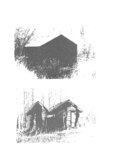
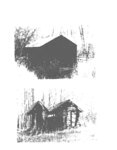
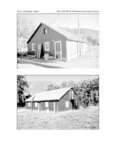
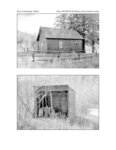
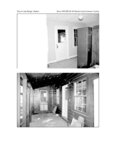
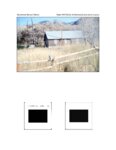
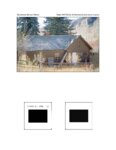
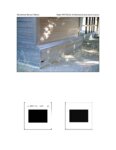
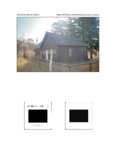
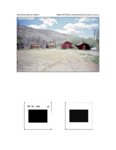
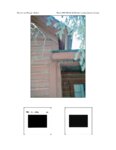
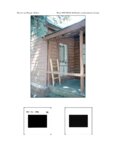
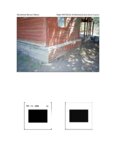
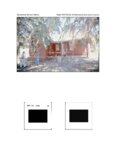
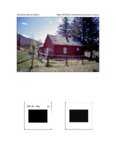
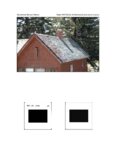
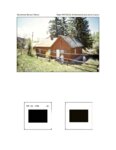
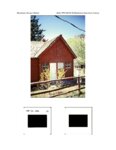
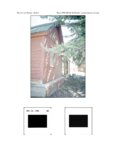
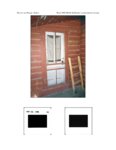
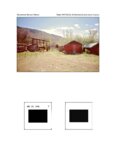
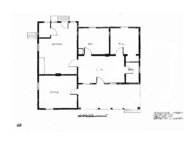
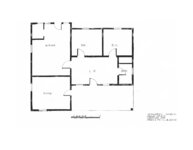
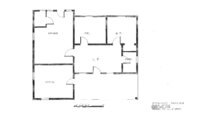
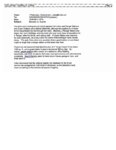
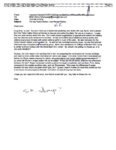
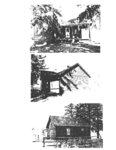
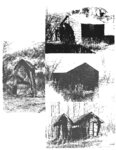
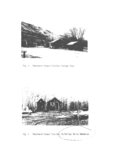
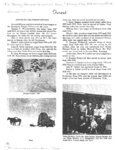
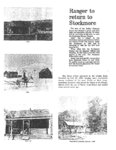
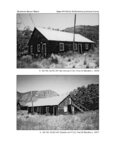
Show From: To: Date: Subject: Charmaine, <cjensen/l nterneUIIIIIIIRfC-8221cjensen#a#history#f#state#f#ut#f#us MNET.MAIL("cthompso~/P4tuinta@fs.fed.us") 10/21/983:10PM You say Guard Station, I say Ranger Station 0·~· Long time, no see! Don and I went up to Stockmore yesterday and visited with Joe, Byron, and a person from the Tabby Valley Historical Society to discuss renovating the station for use as a museum. I guess they are qutie serious about this now. Don made several suggestions to upgrade and restore the building and Joe seemed quite receptive and excited. he had some ideas about obtaining various grants and utilizing local prison inmates with certain skills to perform much of the work. He also had plans for the Indian Canyon station which ~cited me. He said he had contacted several groups, but one that seemed interested was a troubled yO~'OO\:jnciling group. Byron also mentioned the College of Eastern Utah using it, similar to Snow College with the Great Basin Env. center. So, should I be getting my hopes up, or is Joe quite idealistic? Anyway, the main reason I am sending this is that I am preparing the nominations for the two buildings and need to know a little more information on terms and usage. First of all, I know that I have asked you before, but Roger keeps pressing for details, are guard station and ranger station syl}Q!limoos-terms? If so, when did the term ranger station fall out of usage? If they are not the same, what are the differences between the two? Roger mentioned something about the larger complexes, such as South Fork, being compared to the smaller auxilliary sites, such as Timpooneke. What were the differences if usage between the two; whom occupied which type, etc? I guess I need to further pin down the context so that in the future we can prepare a thematic nomination on sites throughout the state. I hope you can respond to this soon, and that all is well with you. Say hello to Shawn for me. Cory |