| OCR Text |
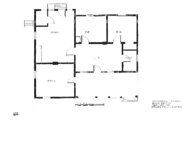
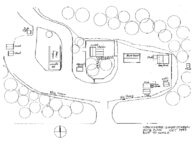
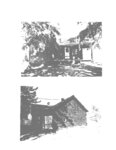
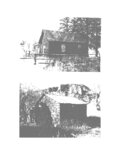
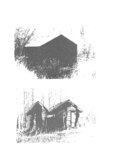
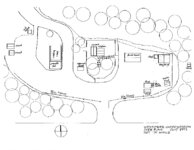
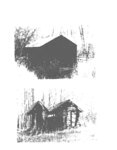
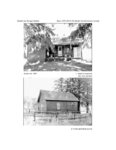
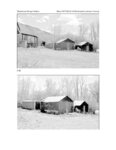
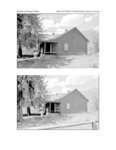
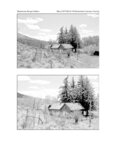
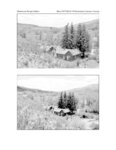
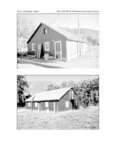
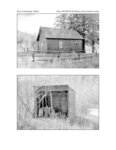
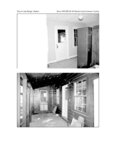
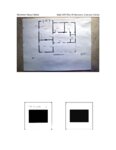
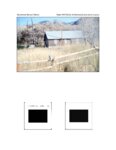
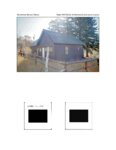
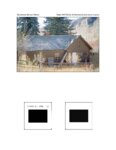
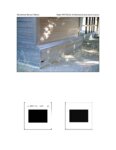
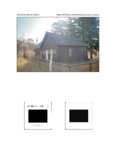
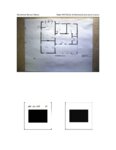
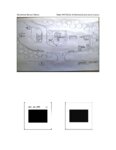
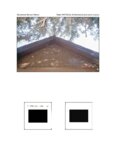
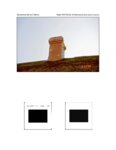
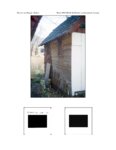
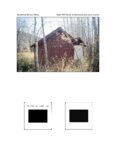
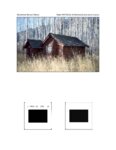
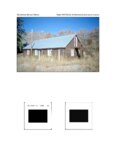
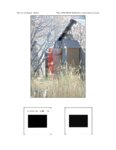
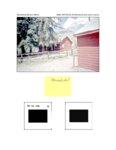
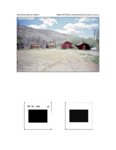
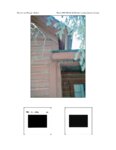
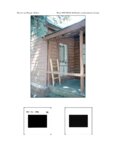
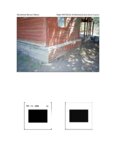
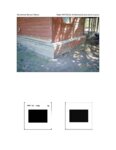
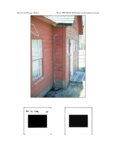
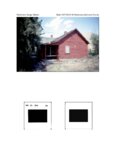
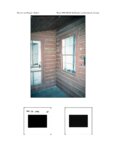
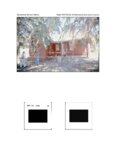
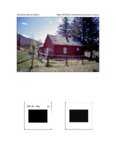
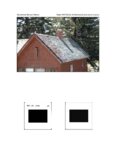
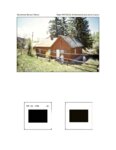
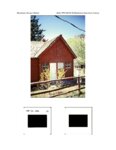
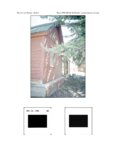
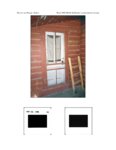
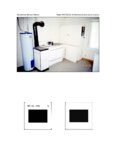
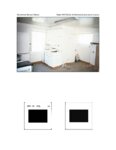
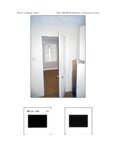
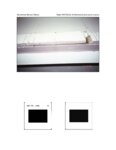
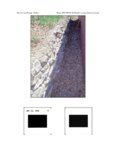
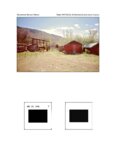
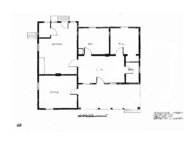
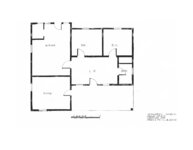
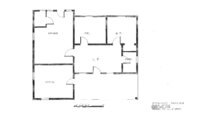
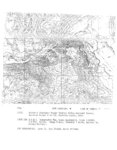
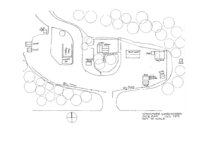
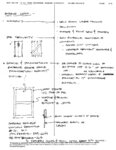
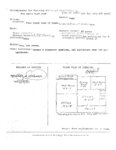
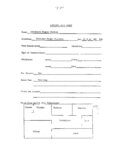
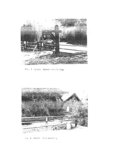
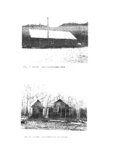
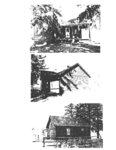
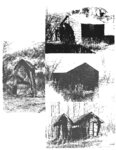
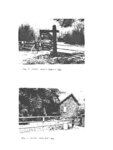
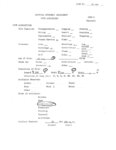
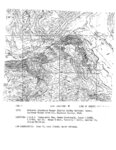
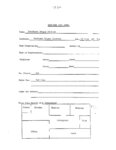
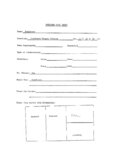
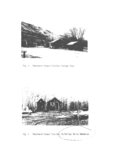
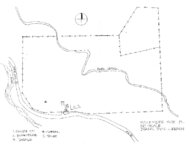
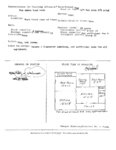
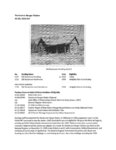
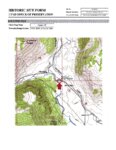
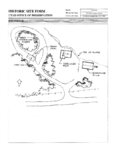
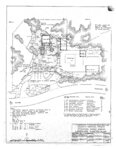
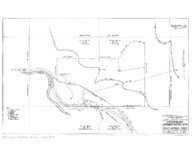
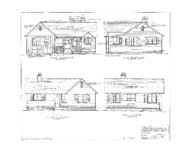
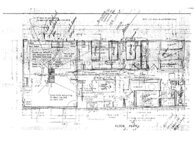
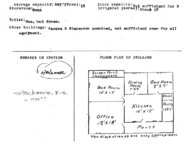
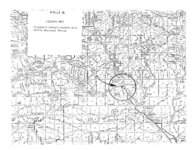
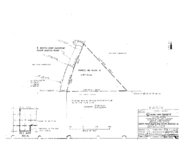
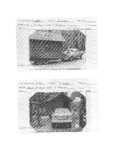
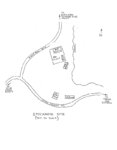
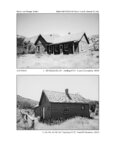
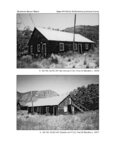
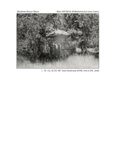
Show NPS ForndO -900- a Utah WordPerfect 5.1 Format(Revised Feb. 1993) OMB No. 10024-0018 United States Department of the Interior National Park Service National Register of Historic Places Continuation Sheet Section No . .l Page J... Indian Canyon Ranger Station, Duchesne area, Duchesne County, UT Narrative Description The Indian Canyon Ranger Station is located approximately 25 miles southwest of Duchesne at the junction of the Left Fork of Indian Canyon and Mill Hollow, with access from State Highway 33 and Forest Route 153. The buildings are situated high up on a point of the ridge between Mill Hollow and Indian Canyon. The ridge rises abruptly behind (to the south of) the dwelling, with Mill Hollow Creek running along the east of the rise and Indian Canyon Creek running along the west of the rise and the property. The area surrounding the station is covered with sage and juniper bushes. Spruce, cottonwood, willow, and aspen trees grow near the dwelling and along the creek. The two buildings, former buildings, and structures which comprise the ranger station were completed 1914-1935. . The ranger station, built in 1914, is a wood-frame sawed log-siding 1 structure (approx. 16' x 40') on a fieldstone and mortar foundation, with a wood shingle-covered, gable roof, and shingles in the gable ends. The building is rectangular in plan, the main entrance being located at the covered porch at the northwest corner of the building. The horizontal plank siding has shrunk in many areas, causing large gaps to appear, although the corner boards seem to be stable. The stone and mortar foundation appears to be failing in several areas. In the northeast corner is a large gap between the top of the foundation and the wooden sill plate where the mortar has deteriorated. There are many other areas where the mortar has failed. The front (north) facade is a large blank wall pierced by two four-over-four, double-hung, windows widely spaced. The windows are framed with simple 1" x 4" lumber. The porch, located at the west end of the facade is inserted under the main roof, with two evenly-spaced 4" x 4" posts supporting the roof. The wide porch stairs have deteriorated and collapsed. The west facade features the open end of the front porch, and a single four-over-four window centrally spaced on the wall. Wood shingles are located in the gable section of the facade. The rear facade has two four-over-four windows, one placed in the center, the other towards the left side. A six-lite casement was inserted at some unknown date (possibly c.1940s). A shedroofed, partially enclosed rear porch was added on the right side of the facade at the rear doorway. This appears original but does not show on a 1924 sketch plan of the building. The east facade features two four-over-four windows, evenly spaced, and shingles in the gable area. The roof retain its original greenpainted, wood shingles. A painted brick chimney is located slightly to the east of center on the roof and appears in stable condition. The front porch doorway enters into the living room (formerly office/dining room, see drawing) which is located at the center of the interior. A doorway leads from this room to a bedroom at the southwest corner. The bedroom has a corner cupboard at the southeast corner of the room. In the ceiling is scuttle providing access to the attic (which is infested with bats and rodents). A wall containing a brick stove chimney and a row of built-in closets (one which used to be a pantry) separates the living room from a kitchen/bedroom 1·Sawed log" is the term used in the Forest Service description sheet, 1936. The siding is similar in appearance to dimensioned-lumber planks_ X See continuation sheet |