| OCR Text |
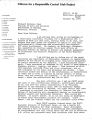
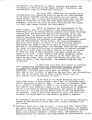
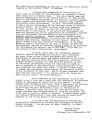
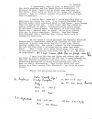
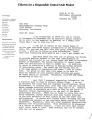
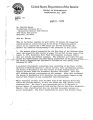
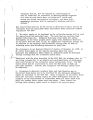
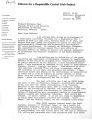
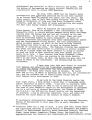
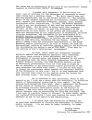
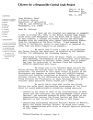
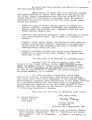
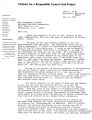
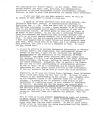
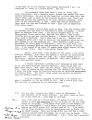
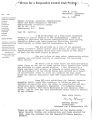
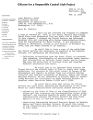
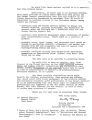
Show Assistant Secretary for Land and Water Resources; Department .of Interior. Guy Martin. ~~ ' Department of Interior is a mish-mash of opposing responsibilities for the nation's natural resources. Within this one Agency are Departments who are responsible for water & minerals which will be developed and land, water and wildlife resources which must be protected. The Agency Secretary, Andrus, must continually come down on one side or the other in making decisions. He must do this in co-ordination with the President's policies and their political realities. The thrust °- *rhe most recent Presidents has been to come down on the side of development. In President Carter, we have the first President in a long time who understands and will listen to environmental concerns as his Administration responsibility. Now, at the present time, where the Administration has gone all out in trying to protect some of Alaska's outstanding natural recreation and wildlife resources, the CUP is of lesser Import. This does not mean that the CUP is of no consequence to the Administration; it means that the politics of protecting Alaska supersede those of protecting Utah's same resources. And it means that Utah residents must work, all the harder. _ - _ , Guy Martin is responsible for helping to implement the Administration Water Policy under Interior's jurisdiction over public land and water resources. He has to pursue his objectives at the same time he works under Administration politics. He has a tough job. On equal standing as a Department within Interior is the Bureau of Reclamation which is authorized and committed to "supply" new, high quality water from the nation's major and tributary rivers for all kinds of development purposes. This is accomplished - as we know - through construction projects only - dams, reservoirs, tunnels, canals, etc. Recycling of water, and conservation is ignored.as is protection of enormously valuable trout streams, naturally productive fisheries, riparian ecosystems, wetlands, wildlife habitat, floodplains, and associated recreation resources. Western water laws and customs served utilitarian needs of the past. They undergird water development. In order to meet new recreation interests and demands of the nation's public, major legislation and policies have emerged: Multiple Use - Sustained Yield management of National Forests and BLM land; Wilderness and Wild and Scenic River protection; Rare and Endangered Species Act; the Clean Water Act; the National Environmental Protection Act; Executive Orders to protect Wetlands and Floodplains. These become the tools whereby the public can change outmoded laws, customs and practices in order to provide for their recreation resources. Change does not mean that development stops. It means that water is really a very valuable natural resource which Is not unlimited and must be recycled, re-used, and conserved,- non-structural measures utilized in its management. We can have our cake - and eat it too! However - This is a "new" concept and one which will be resisted by every single entity, making his $ from the past practices and developments. All the efforts of a Water Resources Council, OMB, £Pft, Guy Martin, have to be supported by us in the locale where we live. Theory must become fact from a public involvement in changing laws and practices which hinder reform. A group such as CRCUP can bring this public involvement into focus and give direction to its efforts. |