| OCR Text |
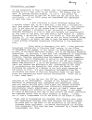
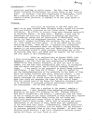
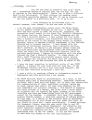
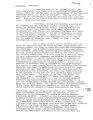
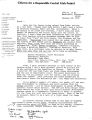
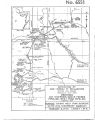
Show At the same time, an effective P.R. propaganda program has convinced a sizable portion of Utah's residents that the well-being and future development of the State is wholly dependent upon completion of the CUP. Citizens for a Responsible CUP was formed in July of 1978 to break through this wall of silence and of lack of information on the issues,in order to protect; outstanding trout streams and riparian ecosystems, wildlife habitat, wetland, limnology, and recreation resources on public lands which belong to the entire nation. In addition, we want to enable the State and Federal Agencies responsible for the management of these public resources to fulfill their responsibilities. We will try to convince Utah citizens that there are viable, untried, and cheaper water management alternatives to the CUP - all supportable through existing State and Federal legislation and implementation of the Carter Administration Water Policy. Background of Issues Raising Questions of Re-Authorization It is my understanding from talking with long-time Utah residents and from reading the Final Bonneville Unit, CUP, EIS, of 1973, that the Strawberry Collection System was planned and presented to the public (and to Congress ?) as a key transbasin diversion of new, high quality Uinta Range stream water out of the Green/Colorado River drainage, over the Uinta mountains into the Bonneville Basin in west/central Utah primarily for irrigation purposes. Dewatering Rock Creek and its trout spawning tributaries (which flows into the Green River/ and "deferring" use of 61,000 a f of water annually from this stream until the year 2,005 /^^ purposes of the Ute Indian tribe, was basic to this diversion through the Strawberry Collection System. To accommodate entities losing the diverted 136,000 a f of water annually out of the Uintah Basin, all other Uinta Range south slopes streams were to be dewatered, dammed, diverted through canals back and forth between stream drainages or whatever. Although the Strawberry Collection System was represented as being primarily for irrigation purposes, the EIS did indicate other uses would be made of the water and water was allocated for M & I use, in the planning. Today, in the Nephi/Delta areas in west/central Utah, Intermountain Power Project and Utah Power and Light are planning power development^ some 50 - 75$ to be exported, to California it is rumored. Each company would share transportation corridors and coal supplies centered around the Kapairowitz Plateau deposits. IPP has beenproviding for its water supply by purchasing area farmers' water rights - which farmers are rushing to sell. Utah Power and Light anticipates obtaining its water supply, some 54,000 a f annually, from agricultural wells and from the Strawberry Collection System*• Utah Power and Light has applied to the Bureau of Reclamation, and has been granted, water supply from this System upon completion. We know this action has transpired, but have not yet verified it from the Bureau. *Utah Power and Light has other water sources and is not dependent on CUP water. |