| OCR Text |
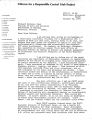
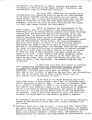
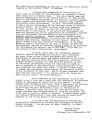
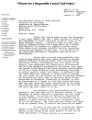
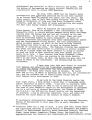
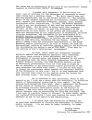
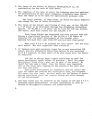
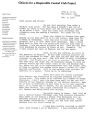
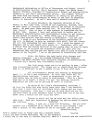
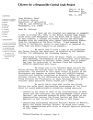
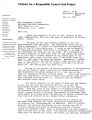
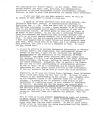
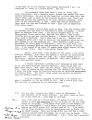
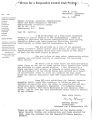
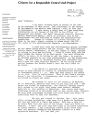
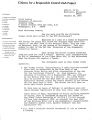
Show The tie-in was proposed in the Bonneville Unit EIS of 1973. However, the Bureau will now be releasing a Draft EIS on the Jordanelle M & I System while exclusing the Utah Lake Irrigation System from consideration as part of this project. The justification for this procedure given CRCUP and the Sierra Club was that this procedure is based on the Sierra Club/ Natural Resources Defense Council suit of 1973. Is this procedure legal and/or as authorized? Additional ramifications have developed as a consequence of CRCUP charges to the Bureau that it cannot dike off Utah Lake marshes and still comply with Executive Order #11990 to protect Wetlands. There is a great deal of professional concern finally emerging in Utah about the proposed alteration of Utah Lake's unique limnology and biological resources. Diking off Provo Bay, a significant wetlands, to convert it and maintain it as irrigated farm lands, at the same time farmers in the nearby Nephi/Delta area are selling water rights to existing irrigated farmlands, raises a number of questions about the validity of the need for irrigation water from the Strawberry Collection System (on which it was justified), the real purpose for this System which is now becoming apparent to the public, and the possibility of Project re-authorization if the Utah Lake irrigation System is ultimately eliminated. If the Bureau is able to proceed with development of the Jordanelle M & "I System, before it is determined whether_Jhe Utah Lake Irrigation System can be implemented, will the""Bdnneville Unit be too far along in development (20$ now) that re-authorization which might be required would be thwarted? CRCUP prepared a cost questionnaire on the Bonneville Unit, subsequent to the release of the Power "Economic Analysis" . We sent this questionnaire to Secretary Andrus to obtain written answers, since we question whether all costs are calculated which we believe ought to be included in the Project costs. We still have not been provided written answers and the Bureau proposes a meeting to discuss methods used by the Agency for developing costs. We still are pressing for written answers we have asked. Question: in what way does the economic feasibility of the Bonneville Unit change, or can change, from the basis on which it was calculated for- Project authorization and funding? What is~the significance of proposed changes in purpose and planning as these are related to authorization on the basis of cost a'nd economic feasibility and cost/benefit ratio? There are other serious issues developing from problems of compliance with the Clean Water Act, the State classification of non-degradation of National Forest streams, recommendations not yet made on National Resource Waters, and implementation by the Federal Agencies involved in water issues, of the President's Water Policy. As an authorized project, is the Bureau of Reclamation independent of more recent existing laws and regulations? The whole issue of State versus Federal government (EPA) interpretation of 101 (g) Amendments in the Clean Water Act needs clarification. |