| OCR Text |
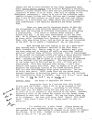
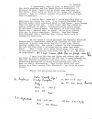
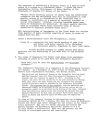
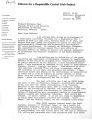
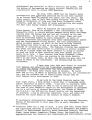
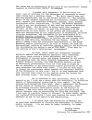
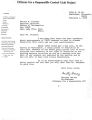
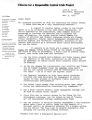
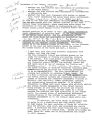
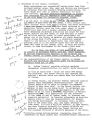
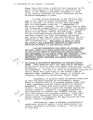
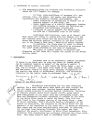
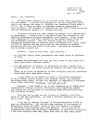
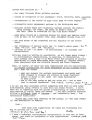
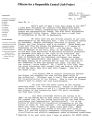
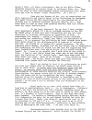
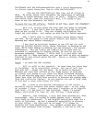
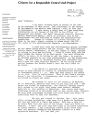
Show 8. Over time, wildlife and fish have become "owned" by the State's public. Income from hunting and fishing is a significant part of the management budget provided the State Division of Wildlife Resources. Can the "ownership" of, the jurisdiction over, and the economic loss to the State's public from one of its most productive wildlife regions, one quarter of the State area, be legally abrogated through Congressional decision on the "compact"? 9. Is the State, through -this compact maneuver, trying to prevent the resolution of significant issues relating to uses and management of public lands? Is the State hoping to make impotent any future public participation in such public issues as: - cost and need of CUP development. Under Congressional fiat, cost could become irrelevant. - uses of rivers in northeast Utah for recreation or/and for power and mineral development. This would involve the Green, the White, the Colorado, the Uinta Range streams, Diamond For^ and the Strawberry Rivers. - implementation of the President's Water Policy through forcing co-operation with Federal Agencies and compliance with State and Federal laws. - preventing undercutting of the responsibility of/ ability of EPA, under the Clean Water Act, to force the State to maintain non-degradation standards for streams, to identify National Resource Waters, and to maintain water quality. - preventing non-compliance with Executive Orders to protect Wetlands and Floodplains. - increasing salinity of the Colorado River. - degradation of aquatic habitat for Rare and Endangered Colorado Squawfish (and other species) from CUP and other water developments . No one has determined impacts from ultimate removal, of 136,000 a f of water annually from Duchesne and Greenp^xn the transbasin diversion of developing the Strawberry Collection M & I System. (See data on the issue of the presence of the Squawfish in the White River at end of paper.) - making public information on presence of any Slac/C-Footed Ferrets on the oil shale area; of R & E raptors in Uinta Range canyons planned for damming; of R & E plant species existing in the Uinta Basin and on the Uinta Range. - Clean Air Quality requirements involving wilderness National Park, and National Monuments lands. ( This issue has been raised about possible location of power development on Ute land near proposed High Uinta?Wilderness . ) |