| OCR Text |
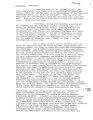
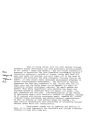
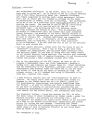
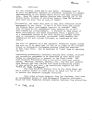
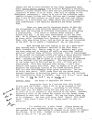
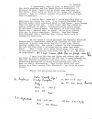
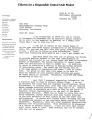
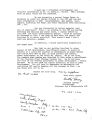
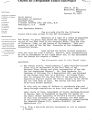
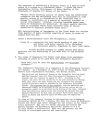
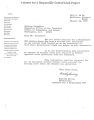
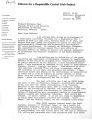
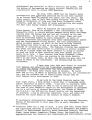
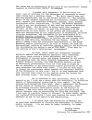
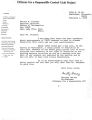
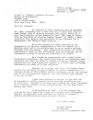
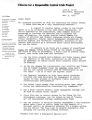
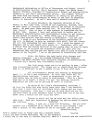
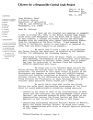
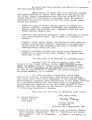
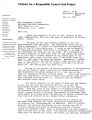
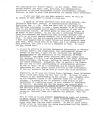
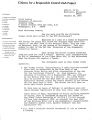
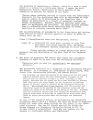
Show T-™*4rt>j Introduction, continued Attorney Paul Van Dam, on conclusions of 208 Water Quality Studies and Utah State University Water Laboratory Research Reports for Salt Lake County. This detailed the available and unutilized surface and ground water resources, uncoordinated private water supplies of some 48 separate suppliers, concentration on utilizing unlimited supplies of new, high quality Uinta Range stream water without recycling for industrial or irrigation purposes, and the committment of 40$ of this Uinta Range stream water for watering Salt Lake County lawns. Also, in the spring of 1978, the President released his Water Policy, Administrative Directives to all Federal Agencies and Departments involved in water use for compliance, and Executive Orders to protect Wetlands and Floodplains. Ultimately, we are at a stage where western water law - that of the Appropriation Doctrine of'first in time with water rights is first in use"- and the use of water for so-called beneficial uses only - is running counter to the diverse wishes and demands of the American public today for their water resources. Until recently, the recreation use and economic potential of this use of water was not accepted as viable. We are also at a point in time where massive energy and mineral developments now concentrating in this country and in the Rocky Mountain region, in particular, will require vast amounts of water from areas already over appropriated and/or limited in water supply. Conclusions of a University of California report state that agriculture will lose out as mineral development on massive scale takes over. In addition, by its policy of trying to still justify its existence and purpose, that of irrigating farm lands on any and all quality of soils, the Bureau of Reclamation runs counter to other Federal Administration efforts to support farm product prices, by taking farm labels out of production. Another issue involved in the CUP development, is the existence of V/ater Conservancy Empires which serve to tax the public for repayment of federal water developments. In Utah, these Conservancy District members are appointed - not elected, so there is the issue of taxation without representation; inequitable taxation where Duchesne County pays some $350,000 annually for water they do not get and where Salt Lake County taxpayers will be taxed for 60$ of the developed water and will receive only 20$. Residents of Duchesne County withheld this amount for a period of time last year - until threatened by the Water Conservancy District with a law suit. I am a Wisconsin resident. My involvement in the CUP came about as a consequence of spending seven years in the Rocky Mt. region doing field work in Nevada, Idaho and in Utah on roadless areas in National Forests for wilderness classification purposes, primarily. I spent two entire summers - 1973 and 1974 - hiking the Uinta Range - top to bottom, and east to west - and stayed in Salt Lake City in the fall of 1977 to help draw boundaries and justification for a 659,000 High Uintas Wilderness. I worked with the Wilderness Society and other conservation groups on this and other roadless areas issues in the State as well as In trying to protect areas of wildlife habitat which had outstanding significance. |